Orthodontics in Kénitra
Orthodontics moves teeth so that they line up better and meet better. At Dr Fatima Azelmat's practice in Kénitra, treatment is decided after an examination of the teeth, gums and jaws. Braces or clear aligners: the choice depends on your situation.
The assessment does not commit you to any treatment. It helps you understand first, then decide.
Clinical review pending
Orthodontics in Kénitra
At Dr Fatima Azelmat’s practice in Kénitra, orthodontics (braces or aligners) is quoted individually after examination. The amount depends on the appliance chosen, the complexity and the expected duration. The published consultation / initial assessment fee is 150 MAD. This amount is not the price of the treatment. Ask what the quote includes, in particular follow-up visits, any repairs and the retainer. The duration and the result vary with the situation.
What you need to know
What is orthodontics?
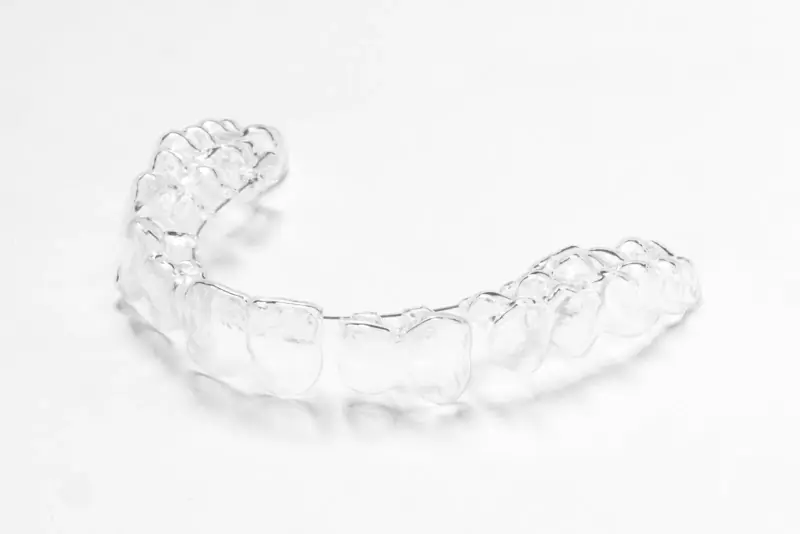
Orthodontics moves teeth with light, steady forces. It is used to straighten teeth that overlap, to close or open a space, and to improve the way the upper and lower teeth meet. There are two families of appliances: braces, bonded to the teeth, and clear aligners, which you take out to eat and to brush your teeth.
Who is it for, and at what age?
Orthodontics is not only for teenagers. In adults, it remains possible when the gums and the bone that hold the teeth are healthy. In children and teenagers, the timing of treatment depends on growth and on the teeth present in the mouth: the examination is used to say whether to act, to wait or simply to monitor.
You can ask for an opinion if you notice:
- teeth that overlap or lack space;
- gaps between the teeth;
- upper teeth that sit well forward, or lower teeth that close in front of the upper ones;
- a tooth that has tilted after a neighbouring tooth was lost.
For adults, the guide Adult orthodontics in Kénitra sets out the indications.
Braces or aligners: how to choose?
- Braces stay in place throughout treatment. They often give more control for complex movements. Brushing takes more care.
- Clear aligners are discreet and removable. They suit some cases, often mild to moderate, and have to be worn as instructed to work.
Neither appliance suits every situation. The choice depends on the movements needed, not only on appearance. Two guides compare the options: braces or invisible aligners and how aligners work.
First, healthy teeth and gums
Before teeth are moved, anything that needs treatment is treated. Decay is treated first. Gum disease has to be stabilised, because moving teeth through inflamed gums can worsen bone loss. The page gum care in Kénitra explains this treatment.
How it works, step by step
- Examination. The teeth, the gums and the way the jaws close are examined.
- Images and impressions. X-rays, photographs or an impression are taken when they are useful to the plan.
- Plan and quote. The proposed appliance, the stages, the estimated duration and the cost are explained to you, then given in writing.
- Fitting the appliance. The braces are bonded, or the aligners are handed to you with their instructions.
- Regular follow-up visits. Each appointment is used to adjust the appliance and to check brushing.
- Retention. At the end, a retainer holds the teeth in their new position.
How long does treatment take?
The usual range is often 12 to 24 months, less for a simple case, more for a complex one. The duration depends on the movements needed, on how your teeth respond, and on keeping appointments and following instructions. The estimate given at the start is a range, not a fixed date. The guide how long orthodontic treatment takes explains what lengthens or shortens it.
After treatment: the retainer
Without a retainer, teeth tend to move back towards their old position. A retainer, fixed or removable, is therefore planned from the start. Its type and how long you wear it depend on your case. The British Orthodontic Society page on retainers describes the principle.
Limits and possible effects
Discomfort or pressure is common in the first days and after an adjustment. With braces, brushing is harder: insufficient cleaning exposes you to decay and to marks on the enamel. The result and the duration vary from person to person and cannot be promised in advance. Severe pain or pain that lasts should be reported to the practice.
Cost of orthodontics in Kénitra
The fee depends on the appliance, the complexity and the expected duration. It is set by quote after the examination.
| Service | Indicative fee (MAD) |
|---|---|
| Orthodontics (braces, aligners) | by quote after assessment |
The stages and their fees are presented to you before starting. See also our fees.
Comparing orthodontic quotes
To compare two proposals, ask which appliance is planned, how many months and appointments are estimated, and whether follow-up visits, any repairs and the retainer are included. Also ask whether prior dental treatment is needed and how it is charged.
At Dr Fatima Azelmat’s practice
The options are explained after the examination, then given in writing. You then decide, at your own pace. Saying that a treatment is not indicated, or that it is better to wait, is also part of the assessment.
For general guidance, see the NHS page on braces. See the practice’s indicative fees and the dental assessment in Kénitra page to prepare your questions.
Frequently asked questions
Is orthodontics possible in adulthood?
Yes. It remains possible at any age when the gums and the bone that hold the teeth are healthy. Gum disease has to be treated and stabilised before teeth are moved. Whether it is feasible is decided after examination.
Braces or clear aligners: which should I choose?
It depends on the case. Braces often give more control for complex movements. Aligners suit some cases, often mild to moderate, and have to be worn as instructed. The choice is made after the examination.
How long does orthodontic treatment take?
The usual range is often 12 to 24 months, less for a simple case, more for a complex one. The estimate given after the examination is a range, not a fixed date.
Do I need to wear a retainer after treatment?
Yes. Without a retainer, teeth tend to move back towards their old position. The type of retainer and how long you wear it depend on your case and are planned from the start.
Does orthodontic treatment hurt?
Discomfort or pressure is common in the first days and after an adjustment. It varies from person to person. Severe pain or pain that lasts should be reported to the practice.
How much does orthodontics cost in Kénitra?
Orthodontics is quoted after examination. The consultation (150 MAD) is a separate procedure, not the price of the treatment. The quote specifies the appliance, the estimated duration, the follow-up visits and the retainer before treatment starts.
Schedule an assessment
The assessment does not commit you to any treatment. It helps you understand first, then decide.