Dental emergency in Kénitra
A raging toothache, an abscess, a broken tooth or a crown that has come off will not wait. Dr Fatima Azelmat's practice in Kénitra keeps slots free every day for emergencies: the aim is to relieve you first, then treat the cause once the pain is under control.
Personalised assessment · 3D imaging (Cone Beam) · detailed treatment plan
Describe your situation: you will receive an initial response, followed by a tailored plan after the assessment.
Dental emergency in Kénitra
Dr Fatima Azelmat’s practice takes dental emergencies in Kénitra during opening hours — Monday to Thursday 9 am to 1 pm and 2 pm to 7 pm, Friday 9 am to 12 pm and 3 pm to 7 pm, closed Saturday and Sunday. Emergency care is 100 MAD as an indicative fee. Call +212 774-832600 in the morning: the slots kept free for emergencies go quickly.
Ce qu'il faut savoir
Call the practice
In an emergency, call +212 774-832600 rather than writing: we assess the situation and offer you the first available slot.
Opening hours: Monday to Thursday 9 am to 1 pm and 2 pm to 7 pm, Friday 9 am to 12 pm and 3 pm to 7 pm. The practice is closed on Saturday and Sunday. Outside these hours, go to the hospital emergency department in Kénitra or to an on-call dental service.
Call as early in the morning as you can: the day’s emergency slots go quickly.
What counts as a real emergency
Some situations need to be seen quickly:
- Intense or throbbing pain that resists painkillers, wakes you at night or gets worse with heat.
- Swelling of the face or cheek, especially if it is spreading or comes with a fever. That is the sign of an infection on the move — the most pressing reason of all.
- Trauma: a tooth broken, cracked, displaced or knocked out after a blow.
- Bleeding that will not stop after an extraction.
- Abscess: a small lump on the gum, an unpleasant taste, pain on pressure.
A crown or filling that has come off without pain is not a life-threatening emergency, but see us quickly: an exposed tooth deteriorates fast.
What you can do in the meantime
- Painkiller: paracetamol at the usual dose. Avoid aspirin, which increases bleeding.
- Cold on the cheek if there is swelling, never heat: heat speeds an infection up.
- Put nothing directly on the tooth or gum — no aspirin, no clove applied to the spot, no alcohol. These remedies burn the mucosa and make treatment harder.
- Knocked-out tooth: hold it by the crown, never by the root. Rinse it briefly, keep it in milk or in your own saliva, and come straight in. Time matters: a replantation is decided in tens of minutes.
These steps relieve; they do not treat. See also our article: what to do right away in a dental emergency.
How an emergency appointment works
- Assessment. Clinical examination, plus a targeted radiograph or 3D imaging if the situation calls for it.
- Relief. Local anaesthetic, then whatever settles it: draining an abscess, opening a tooth under pressure, a dressing, or an extraction if the tooth cannot be saved.
- Definitive treatment. Once the pain is under control, we plan the lasting fix — root canal treatment, a crown or replacing the tooth.
An emergency handled properly does not stop at relief: it is the cause that has to be settled so the pain does not come back.
Pain and anaesthesia
A severely inflamed tooth is harder to anaesthetise — that is physiology, not bad luck. Adapted techniques can help improve pain control during treatment. If anxiety is what holds you back, see: dental anaesthesia: improving pain control and conscious sedation with nitrous oxide.
Dental emergency prices in Kénitra
Emergency care is charged per procedure. The definitive treatment is quoted separately, once the pain is under control.
| Service | Indicative fee (MAD) |
|---|---|
| Emergency care / dressing | 100 |
| Consultation and assessment | 150 |
| Periapical radiograph | 100 |
| Simple extraction | 200 |
| Surgical extraction | 1,500 |
Nothing goes ahead without your agreement. See also our fees.
Why see Dr Fatima Azelmat
An emergency is examined with the same means as planned care: imaging on site, a diagnosis made before the procedure, and an explanation of what is being done. The aim is not to send you home relieved for the night, but to settle the cause.
Frequently asked questions
Do you take emergencies at the weekend?
No. The practice is open Monday to Thursday from 9 am to 1 pm and from 2 pm to 7 pm, and Friday from 9 am to 12 pm and from 3 pm to 7 pm. It is closed on Saturday and Sunday. Outside those hours, go to the hospital emergency department in Kénitra or to an on-call dental service.
I am in a lot of pain, can I come without an appointment?
Call +212 774-832600 first. Slots are kept free every day for emergencies, but they go quickly: a call in the morning gives you the best chance of being seen the same day.
My cheek is swollen, is that serious?
It is the most pressing reason of all. Swelling signals an infection on the move, especially if it is spreading, makes it hard to open your mouth or swallow, or comes with a fever. Call without delay, and apply cold — never heat.
My tooth was knocked out in an accident, what should I do?
Hold it by the crown, never by the root. Rinse it briefly without scrubbing, keep it in milk or in your own saliva, and come straight in. Timing is decisive: a replantation is decided in tens of minutes.
How much does an emergency appointment cost?
Emergency care or a dressing is 100 MAD, a consultation with assessment 150 MAD, a periapical radiograph 100 MAD. The definitive treatment is quoted separately, once the pain is under control.
Read on the blog

Dental Emergency: What to Do Right Away
What to do right away for severe toothache, an abscess or dental trauma, and the signs that require urgent care.
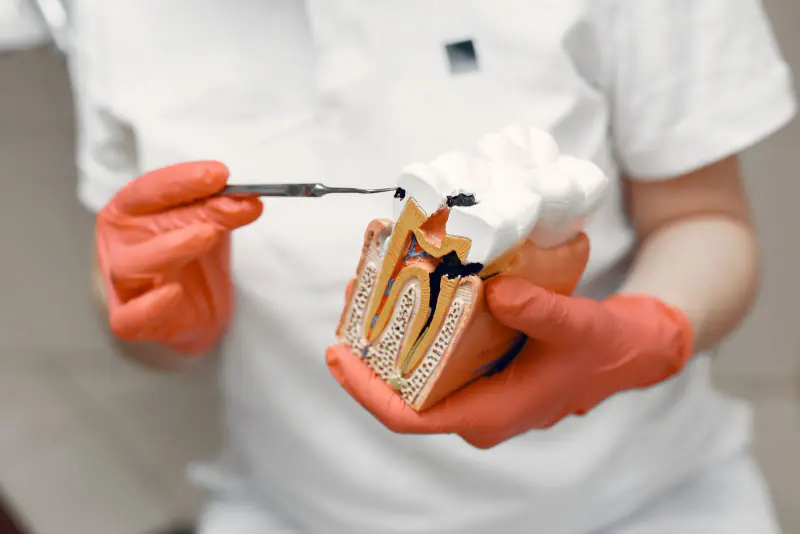
Root Canal and Pain: What You Need to Know
A root canal is done under local anesthesia and is no more painful than having a cavity treated: what to expect, and what should raise concern.
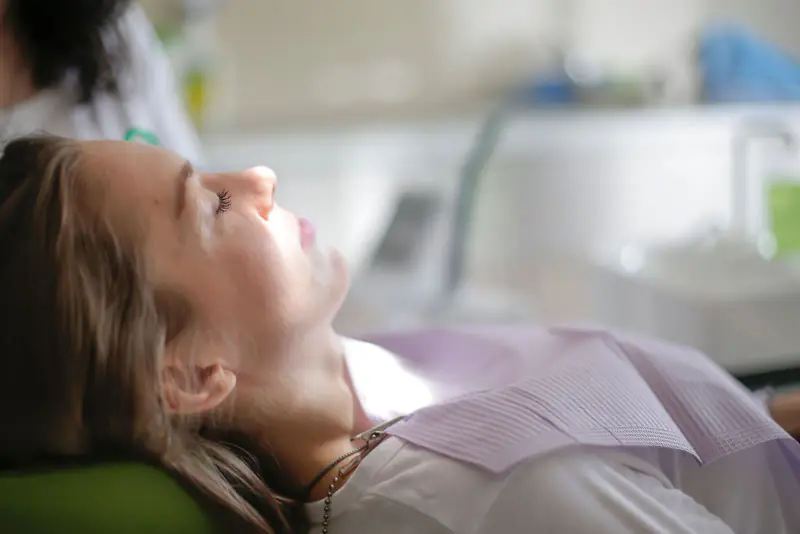
“Pain-Free” Dental Anesthesia: What Has Really Changed
The phrase “pain-free anesthesia” is appealing, but what is it really worth? This article explains how local anesthesia works, what topical numbing gel and computer-assisted injection bring, the simple techniques that make the injection nearly painless — and what anesthesia does not take away: anxiety.

A question about your case?
The first step is a precise diagnosis. To schedule an assessment, call the practice or write on WhatsApp.