Dental bridge in Kénitra
A bridge replaces one or more missing teeth with a fixed prosthesis supported by the neighbouring teeth. It is a proven solution, faster than an implant — but it carries a biological cost you should know about before choosing. At Dr Fatima Azelmat's practice in Kénitra, both options are laid out without bias.
The assessment does not commit you to any treatment. It helps you understand first, then decide.
Dental bridge in Kénitra
In Kénitra, a 3-unit porcelain-fused-to-metal bridge is 9,000 MAD as an indicative fee at Dr Fatima Azelmat’s practice, fitted in 2 to 3 weeks and without surgery. It does mean reshaping the two neighbouring teeth, where an implant (8,000–12,000 MAD, 3 to 6 months) leaves them intact. The written quote is given to you after the assessment (consultation 150 MAD, panoramic radiograph 200 MAD).
Ce qu'il faut savoir
What is a bridge?
A bridge is a fixed prosthesis that replaces a missing tooth. It consists of the replacement tooth and two crowns that hold it, cemented onto the neighbouring teeth — the abutment teeth. The whole thing is one piece: nothing comes out, and you chew normally.
The most common case is the three-unit bridge: one missing tooth, two abutments.
The point to understand before choosing
To fit a bridge, both neighbouring teeth have to be prepared, even if they are perfectly healthy. That is the biological price of this solution, and it is irreversible: a prepared tooth never becomes intact again.
That is precisely why the implant is often preferred today — it replaces the missing tooth without touching its neighbours.
Bridge or implant?
| Bridge | Implant | |
|---|---|---|
| Neighbouring teeth | prepared | untouched |
| Time frame | 2 to 3 weeks | 3 to 6 months |
| Surgery | no | yes |
| Jaw bone | remodels over time | stimulated by the implant |
| Cost (three units) | 9,000 MAD | 8,000–12,000 MAD per implant |
The bridge keeps its place when the neighbouring teeth are already crowned or badly damaged — nothing is sacrificed then —, when bone volume is insufficient and a graft is not wanted, or when time matters. We go into that choice here: implant, bridge or denture, how to choose.
Replacing a tooth: fixed, removable or on implants
Four families of prostheses replace a missing tooth. The bridge, which is fixed, rests on the neighbouring teeth. The crown on an implant rests on an artificial root and leaves the neighbours untouched. The removable appliance, called a denture, is taken out for cleaning and rests on the gum; over time, the ridge beneath it changes and the appliance may hold less well: what happens under an appliance that no longer stays in place explains this. Finally, the implant-supported prosthesis, fixed or removable but held by a few implants, is discussed when the bone allows it. None of these families suits everyone. The assessment looks at the neighbouring teeth, the bone and the gum, then explains which one is worth discussing, along with its maintenance: see Caring for your dental prostheses. If the tooth has been missing for a long time, start with that page. Are you starting from a different situation? The situations described by the practice.
The materials
The practice favours bridges with no visible metal:
- Zirconia: very strong, suited to the heavily loaded back teeth.
- Ceramic: aesthetics suited to visible teeth.
- PFM (porcelain fused to metal): more affordable, but a grey line can show at the gum over time.
See: metal-free prosthetics, ceramic and zirconia.
How it is done
- Assessment. Examination of the abutment teeth and a radiograph: a bridge is only as solid as its abutments.
- Preparation. The abutment teeth are prepared under local anaesthetic.
- Digital impression. An intraoral scanner records the arch precisely, with no paste.
- Temporary bridge. It protects the abutments and lets you eat normally between visits.
- Design and fitting. The bridge is designed on computer (CAD/CAM), milled, tried in, then cemented once the shade and the bite have been checked.
Allow two to three weeks between preparation and fitting.
Lifespan and care
A well-made bridge lasts many years. Its longevity depends entirely on the health of the abutment teeth: they carry the whole structure.
Cleaning under the middle unit is the key point — that is where plaque gathers and where problems start. Suitable floss or an interdental brush, regular scaling and annual check-ups are essential.
What can happen to the teeth that carry a bridge
A bridge lasts as long as its abutment teeth stay healthy. The systematic review by Tan et al. (2004) describes the complications observed over at least five years: biological ones, such as decay of the abutments, loss of tooth vitality or gum disease, and technical ones, such as loss of retention, fracture of an abutment or of the material.
- Decay at the edge of the crown. The junction between crown and tooth remains vulnerable; if plaque settles there, decay can progress under the bridge without being visible.
- The tooth’s nerve. A tooth prepared to carry a crown can lose its vitality, even years after fitting; root canal treatment is then needed.
- Under the false tooth. The middle unit rests on the gum: this is where plaque builds up if cleaning does not reach it every day.
- If an abutment tooth is lost. The bridge usually cannot be kept as it is: a new plan is discussed, a new bridge on other teeth, an implant or a removable prosthesis, depending on what remains.
An older bridge that moves, smells or hurts: what is assessed
A bridge that moves, gives off a bad smell or hurts does not have a single explanation. The examination checks whether it has come loose on one of its abutments, looks for decay at the edge of the crowns, tests the vitality of the teeth, assesses the gum and the bone on X-rays and checks how the teeth meet. Depending on the findings, the bridge can be recemented, the abutment teeth treated, or a new plan proposed. The aim is to identify the cause, not to judge the earlier work.
Dental bridge prices in Kénitra
| Service | Indicative fee (MAD) |
|---|---|
| Consultation and assessment | 150 |
| Panoramic radiograph | 200 |
| Three-unit bridge (PFM) | 9,000 |
| Zirconia crown (per unit) | 3,000 |
| e.max ceramic crown (per unit) | 3,500 |
| Core build-up if required | 800 |
Your full quote is given after the assessment. Coverage depends on the procedure and your scheme’s conditions: send the detailed quote to your organisation and ask for written confirmation of the procedures covered. See also our fees.
How the practice works
Dr Azelmat sets out both solutions with their real limits before proposing a plan. If your neighbouring teeth are healthy, she will say so: preparing two intact teeth to replace one is a decision to be taken knowingly, not by default.
Frequently asked questions
Do the neighbouring teeth really have to be prepared?
Yes, it is inherent to a bridge: both abutment teeth have to be prepared to take the crowns that carry the prosthesis, even if they are healthy. It is irreversible, and it is the main reason an implant is often preferred when the neighbours are intact.
Bridge or implant: which should I choose?
An implant preserves the neighbouring teeth and the bone, but requires surgery and 3 to 6 months. A bridge is faster (2 to 3 weeks) and needs no surgery, but two teeth are prepared. The bridge really comes into its own when the neighbours are already crowned or damaged: nothing is sacrificed then.
How long does a bridge last?
Many years if it is well looked after. Its longevity depends on the health of the abutment teeth, which carry the whole structure. Cleaning under the middle unit is decisive: that is where plaque gathers.
Does a bridge show?
Not if it is made in ceramic or zirconia: these materials reproduce the translucency of enamel and leave no grey line. PFM, which is more affordable, can on the other hand show a grey line at the gum over time.
How much does a bridge cost in Kénitra?
A three-unit PFM bridge is 9,000 MAD. A zirconia crown per unit is 3,000 MAD, an e.max ceramic crown 3,500 MAD. The full quote is given after the assessment, and prosthetics are only partly covered by CNSS / AMO.
What is the difference between a denture, a bridge and an implant-supported prosthesis?
A denture is removable and rests on the gum. A bridge is fixed and rests on the neighbouring teeth. An implant-supported prosthesis, fixed or removable, rests on artificial roots placed in the bone. The choice depends on the neighbouring teeth, the bone, the gum and the maintenance you can manage.
Why does a denture eventually hold less well?
Under a removable appliance, the bone ridge changes shape over time. The appliance no longer matches its current shape. Depending on the examination, it can be adjusted, remade or retained by implants.
Can you move from a denture to an implant-based solution?
In certain situations, when the bone volume and the condition of the gum allow it. The assessment measures these elements and presents the options, including keeping an adjusted removable appliance.
Read on the blog
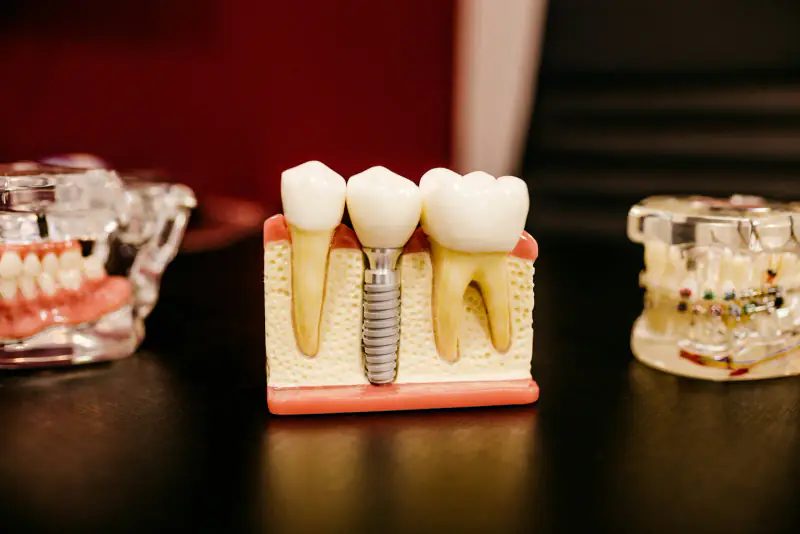
Implant, bridge or denture: how to choose
Implant, bridge or denture: a comparison by clinical criterion, with no commercial hierarchy and no prices, to decide together with your practitioner.
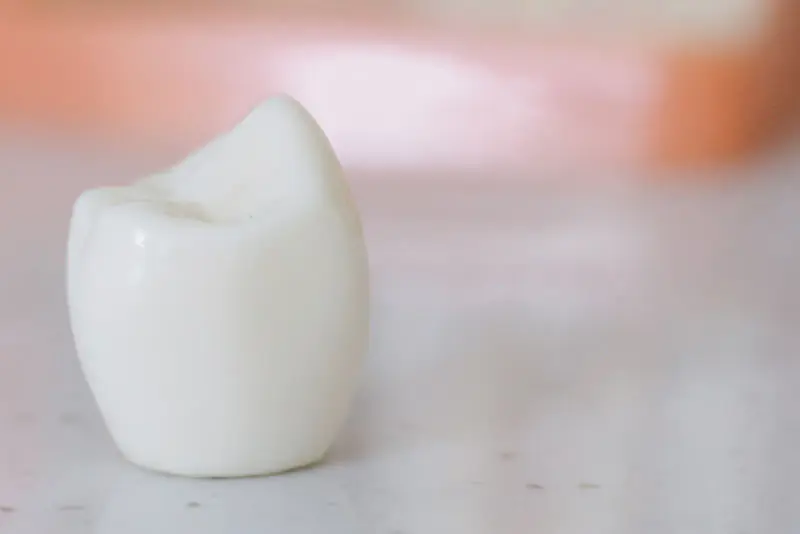
Dental Crowns: Indications, Materials, and Lifespan
When is a crown truly indicated, which material should you choose, and how long does it last? A clear, well-sourced overview — with no promises about longevity.
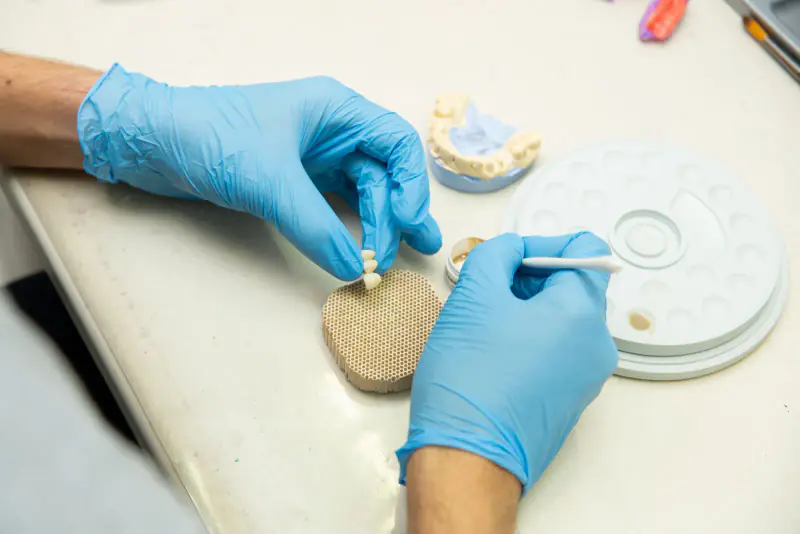
Zirconia: the metal-free ceramic under your crown
Zirconia is a very strong ceramic that replaces the metal under a crown: an honest, sourced look at the esthetics, strength, biocompatibility and real limits of the metal-free crown.
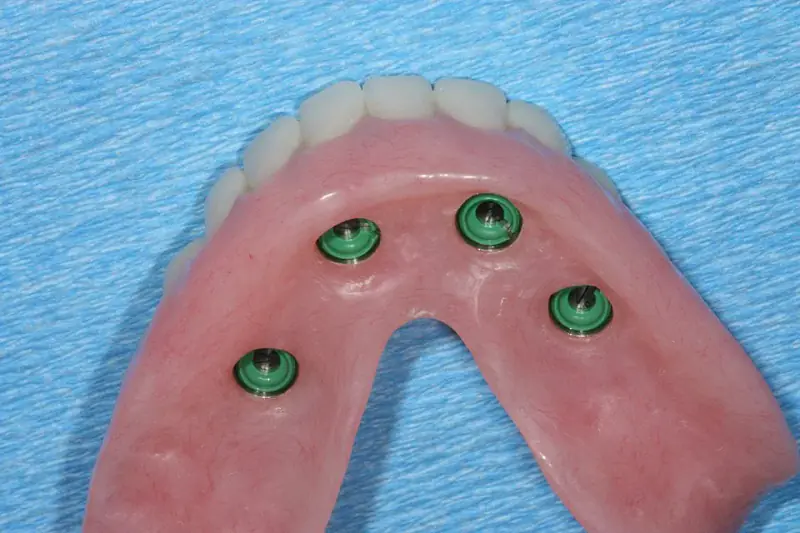
A denture that no longer stays in place
It fitted well at first. If the ridge beneath it has changed, the denture no longer matches its current shape.
A tooth has been missing for years
The gap has become familiar, but the bone and neighbouring teeth may continue to change. The assessment measures which options remain possible.


Schedule an assessment
The assessment does not commit you to any treatment. It helps you understand first, then decide.