
The assessment: understand before deciding
A consultation in Kenitra to understand what is happening in your mouth, which options may be worth discussing and what a possible treatment would involve, before deciding anything.
The assessment does not commit you to any treatment. It helps you understand first, then decide.
Clinical review pending
The assessment: understand before deciding
You may have arrived here because a tooth has been missing for years and you wonder whether anything is still possible. Or because you were told ‘there is not enough bone’. Or because a tooth is loose and your gums bleed. Perhaps your denture no longer stays in place, two quotes seem to contradict each other, or you need to organise dental care during a stay in Morocco.
You do not need to choose the name of a treatment yourself before the appointment. The assessment first helps you understand the situation and identify which options may be worth discussing. It may also show that no treatment is needed for the time being.
What you need to know
What happens during the assessment
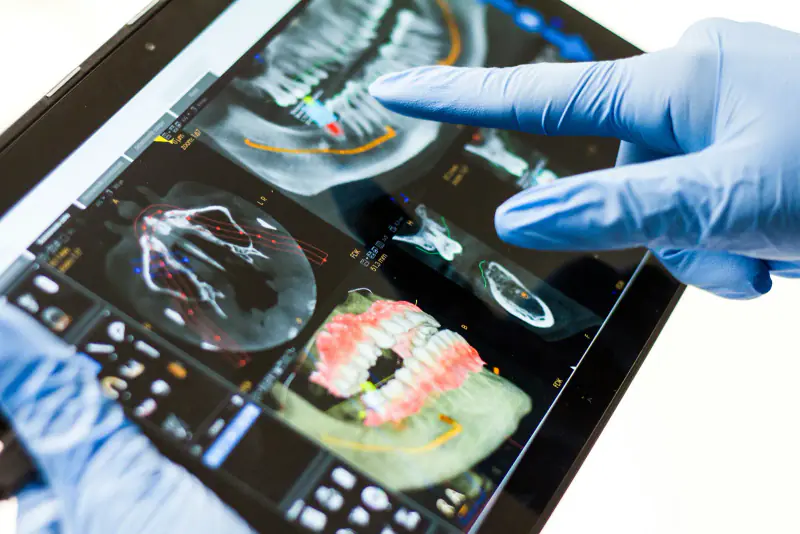
You begin by explaining what is bothering you, how long it has been happening, and what you would like to be able to do again. You can talk about your concerns, including fear of dental care. The teeth, gums and the way your teeth meet are then examined. Imaging may supplement the examination when indicated.
The findings are then explained in plain language. The options are discussed along with their advantages, limitations, maintenance and healing times. Solutions that do not involve an implant are part of the discussion. If treatment is being considered, the assessment gathers the information needed to put the steps in order and establish the cost after the evaluation.
What the assessment should help you understand
- What is happening in your mouth: the condition of the teeth, gums and bone.
- What needs prompt attention, and what can wait.
- The reasonable options, including those without an implant, with their limitations and maintenance.
- The steps, in the right order, including healing times and the visits to plan.
- The information needed for a written plan and its cost, if treatment is being considered.
The assessment is carried out by Dr Fatima Azelmat, a dental surgeon in Kenitra. It is neither a remote diagnosis nor consent to treatment. You can take time to think, discuss it at home, and return with your questions.
After the assessment, the pages that explain each procedure
If an option is selected for discussion, its page describes the general steps, without deciding anything on your behalf: dental implant, bone graft, gum care, bridge or crown. All the situations are gathered on the Your situation page and all the treatments on the Dental care in Kenitra page. When imaging is indicated, our guide to digital dental X-rays and panoramic radiographs explains what these images are for and why each examination must be justified.
Preparing for your appointment
Bring any previous X-rays you have, a list of your medicines, and your written questions. If you are travelling from a distance, simply give your dates in Morocco when scheduling the appointment so the feasibility of the timetable can be considered without promising treatment before the examination.
Are you currently in severe pain or experiencing swelling? First read the Dental emergency in Kenitra page to find out what to do and which contact route to use.
Frequently asked questions
Do I need to know which treatment I want before the assessment?
No. Come with your situation, expectations and questions. The examination is precisely what helps distinguish the options that may be discussed.
Is three-dimensional imaging always necessary?
No. Imaging is proposed only when it adds useful information that the examination and any existing images do not provide.
Does scheduling an assessment commit me to starting treatment?
No. The assessment is a step for information and decision-making. You can take time to compare the options and think.
What should I bring to the appointment?
Bring any previous X-rays you have, a list of your medicines, and the questions you do not want to forget.
Read on the blog
A tooth has been missing for years
The gap has become familiar, but the bone and neighbouring teeth may continue to change. The assessment measures which options remain possible.
You were told: ‘there is not enough bone’
You left with a statement, not a measurement. The assessment clarifies what it means and which paths may be discussed.
A loose tooth and bleeding gums
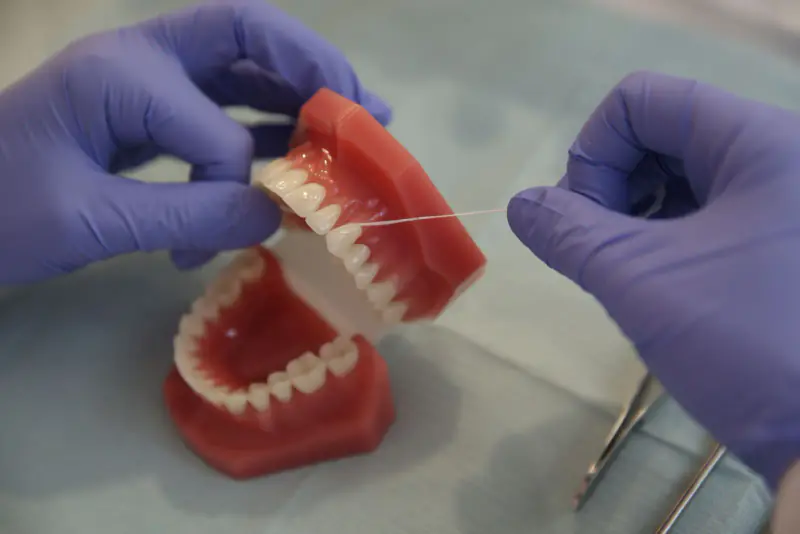
What you feel is a signal, not a sentence. The gum and bone are examined before each tooth is assessed.
Schedule an assessment
The assessment does not commit you to any treatment. It helps you understand first, then decide.