Understand before deciding
Do any of these situations sound familiar?
A tooth that has been missing for a long time. Something you were told elsewhere: ‘there is not enough bone’. A loose tooth. A denture that no longer stays in place. Two quotes that do not say the same thing. Read the situation that sounds like yours.
Clinical review pending
Your situation
Each page explains what may be happening beneath the visible tooth, what an assessment can examine, and which options may be worth discussing.
Before scheduling an assessment
The assessment helps you understand your situation before choosing a treatment.
The procedures, explained without deciding
Each page describes the general steps of a procedure, its limitations and the other options; nothing is decided there on your behalf.
You probably did not arrive here already knowing the name of a treatment. You arrived with a situation: a missing tooth, a phrase that stayed with you, bleeding gums, a denture that slips, or two opinions that are difficult to compare.
Each situation has its own page. It explains what may generally be happening without trying to diagnose you remotely. No one can measure your bone, gum or bite through a screen. Instead, the page helps you understand what the assessment will seek to clarify.
The visible tooth is not the whole story
A tooth is held in bone and passes through the gum. The upper and lower teeth meet when you close your mouth: this is the bite, or occlusion. A missing tooth, a loose tooth and a denture that slips are three situations that look different on the surface. In each case, the examination looks at what is happening underneath, what needs prompt attention, and which options remain reasonable.
The assessment therefore does not begin with a treatment. It begins with what is bothering you, how long it has been happening, and what you would like to be able to do again. Next come the examination, imaging when indicated, and an explanation in plain language. Options that do not involve an implant matter just as much as the others.
What the assessment should clarify
- What is happening in your mouth.
- What needs prompt attention and what can wait.
- The reasonable options, including those without an implant.
- The steps in the right order, including expected healing times.
- If treatment is being considered, the information needed for a written plan and its cost.
The assessment is carried out by Dr Fatima Azelmat, a dental surgeon in Kenitra. Depending on the situation, the evaluation may cover the teeth, gums, bone, bite and the planned final tooth. You can read, take your time and prepare your questions. Scheduling an assessment does not commit you to any treatment.
Are you in pain or experiencing swelling now? First read the Dental emergency in Kenitra page for initial guidance and the appropriate way to make contact.
Frequently asked questions
Can this page tell me which treatment I need?
Do all these situations lead to an implant?
What should I do if I am in pain or my face is swollen?
What can I prepare before the assessment?
Read on the blog
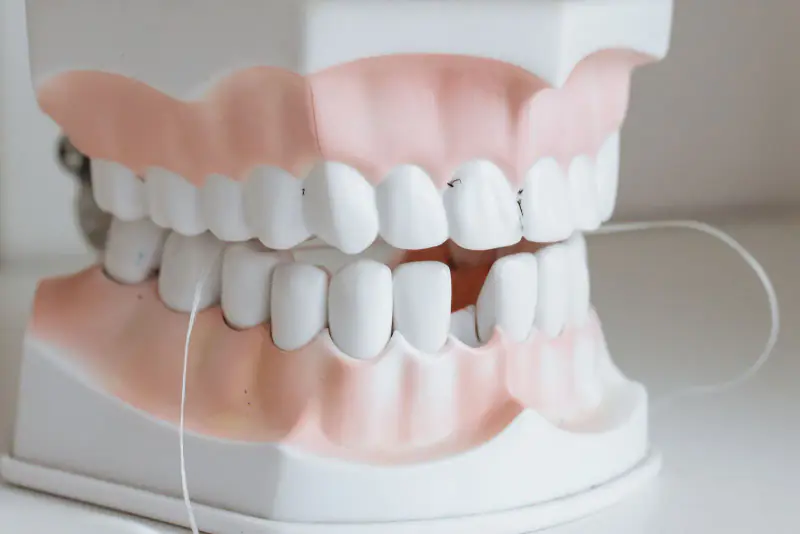
A tooth has been missing for years
The gap has become familiar, but the bone and neighbouring teeth may continue to change. The assessment measures which options remain possible.
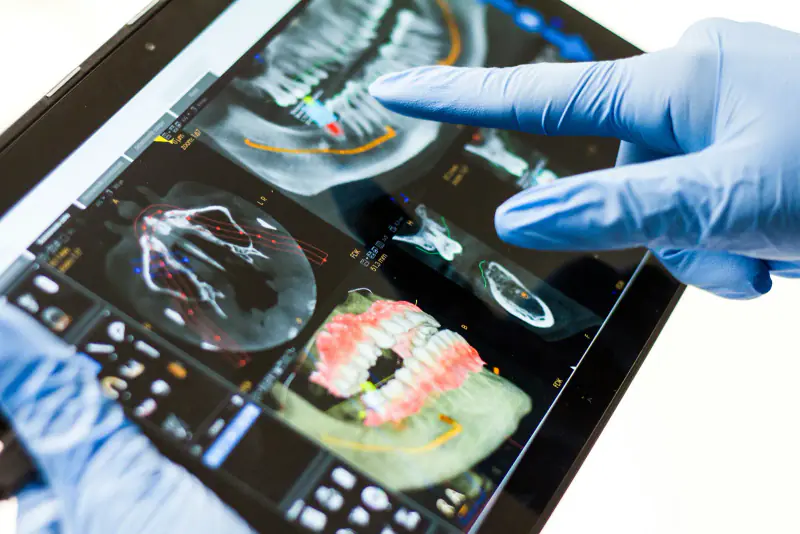
You were told: ‘there is not enough bone’
You left with a statement, not a measurement. The assessment clarifies what it means and which paths may be discussed.
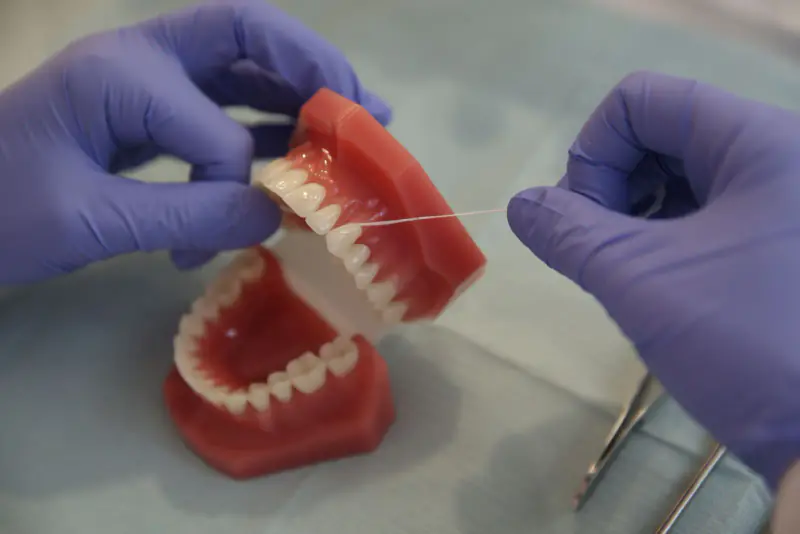
A loose tooth and bleeding gums
What you feel is a signal, not a sentence. The gum and bone are examined before each tooth is assessed.
Schedule an assessment
The assessment does not commit you to any treatment. It helps you understand first, then decide.