Dental Bone Grafting in Kenitra
When the jawbone is insufficient to support an implant, a bone graft rebuilds the necessary volume. It is a common pre-implant surgical step, planned on 3D imaging. At Dr Fatima Azelmat's practice in Kenitra, it prepares an adequate foundation for an implant.
The assessment does not commit you to any treatment. It helps you understand first, then decide.
Dental Bone Grafting in Kenitra
In Kénitra, a dental bone graft is 4,000 MAD as an indicative fee for a simple graft at Dr Fatima Azelmat’s practice, and 10,000 MAD for a sinus lift; guided bone regeneration is quoted individually. Bone healing takes several months before the implant can be placed, sometimes less when graft and implant are done in the same procedure. The volume to rebuild is measured on a Cone Beam scan (1,500 MAD).
What you need to know
Why a bone graft?
To hold firmly, an implant needs sufficient bone volume in both height and thickness. Yet bone gradually resorbs over time after tooth loss, an infection, or advanced gum disease. When there is not enough bone left to place an implant, a bone graft rebuilds the deficient area to make the implant possible.
The different techniques
Depending on the area and the volume to rebuild, several approaches exist:
- Bone filling / guided bone regeneration (GBR): bone material is placed and protected by a membrane, often at the time of an extraction or of implant placement.
- Sinus floor augmentation (sinus lift): in the posterior upper jaw, the sinus membrane is lifted to create bone height.
- Block graft: for larger deficits, a block of bone is secured in place and left to heal.
The choice of technique and material (the patient’s own bone or a bone substitute) is made after analyzing the Cone Beam scan.
The sinus lift: when height is lacking at the back of the upper jaw
At the back of the upper jaw, the sinus, an air cavity located above the roots, sometimes comes down close to the ridge. After a tooth is lost, too little bone height then remains for an implant. The sinus lift, also called sinus floor augmentation, consists of lifting the membrane that lines the sinus and placing bone material beneath it, to gain the missing height. The remaining height is measured on three-dimensional imaging (Cone Beam); this is what indicates whether a sinus lift is useful, whether it can be done at the same time as the implant or in two stages, and whether another route is a better fit, such as a shorter implant or a solution without an implant. Ongoing sinusitis is treated first. The guide Sinus lift: indications, techniques and after-effects details the two routes, lateral and crestal, and the usual after-effects.
How is the procedure performed?
- Assessment and Cone Beam scan. Precise measurement of the available bone volume and treatment planning.
- Graft placement. Under local anesthesia, the material is positioned in the area to be rebuilt and protected.
- Healing. The bone gradually regenerates over several months (the timeframe varies with the technique and the extent of the graft).
- Implant placement. Sometimes performed at the same time as the graft, sometimes after healing, depending on the case.
Our guide explains the stages and healing of a bone graft before an implant.
Pain and recovery
The procedure is performed under local anesthesia. Moderate after-effects (swelling, discomfort) are common in the first few days and are managed with the post-operative instructions and treatment. Following the hygiene instructions carefully promotes good healing.
What the assessment measures before talking about a graft
The assessment does not begin with the graft. It begins with the final tooth: where it needs to be, what implant position it requires, and whether the available bone allows it. Three families of answers exist: rebuilding the bone, placing the implant differently, or choosing a solution that does not involve an implant, such as a bridge, without an implant or a removable prosthesis. If the gums bleed or if teeth are loose, the condition of the gums is examined before any bone procedure is planned. Scheduling an assessment does not commit you to any treatment.
Cost of a bone graft in Morocco
The cost of a bone graft depends on the technique, the volume to rebuild, and the material used. It comes in addition to the cost of the implant. For this reason, the fee is always set through a personalized quote, after the assessment and the Cone Beam scan.
| Factor | What makes the price vary |
|---|---|
| Type of graft | Bone filling / GBR · sinus lift · block graft |
| Extent | One localized area or several sectors |
| Material | Autogenous bone or bone substitute, membrane |
| Combined procedure | Performed alone or at the same time as the implant |
What makes up the price of a graft or a sinus lift
A graft quote adds up several elements, which is why it varies from one person to another:
- Access: filling the site of a tooth goes through a small opening; a sinus lift by the lateral approach requires opening a window on the side of the sinus and detaching its membrane.
- The volume to rebuild, and therefore the amount of material.
- The material: bone taken from you or a bone substitute.
- The membrane that protects the graft, when the technique requires one.
- Chair time, which increases with the extent and the technique.
- Imaging: the Cone Beam before the procedure, sometimes a new image before the implant.
- Follow-up: the check-ups during healing.
A sinus lift is generally a more extensive procedure than a localised graft: access to the sinus, a membrane to detach, a larger volume of material and a longer procedure. This explains the difference between the two amounts shown on the Fees page, one for simple bone grafting and a higher one for the sinus lift. These amounts are indicative: the quote drawn up after the assessment specifies what it includes. Guided bone regeneration is priced on quotation.
From one practice to another, two graft quotes do not always describe the same procedure: the technique, volume, material, membrane, imaging and check-ups may or may not be included. Compare what each line contains rather than the total alone; the article Two quotes, two different opinions helps you do this.
A detailed, transparent quote is provided before any procedure. As with an implant, CNSS / AMO coverage for these procedures is not automatic: it depends on the scheme, the listed procedure and the applicable conditions. Ask your managing body for written confirmation based on the itemised quote; the Fees page explains this step.
How the practice works
Pre-implant surgery demands rigor: an accurate diagnosis, the right technique, and attentive follow-up. Dr Azelmat plans every graft on 3D imaging and favors a cautious approach, to prepare for an implant on healthy foundations.
Understand the statement before choosing a technique
You were told ‘there is not enough bone’: what that statement means.
Frequently asked questions
Does a bone graft hurt?
The procedure is performed under local anesthesia and is generally well tolerated. Moderate after-effects (swelling, discomfort) are possible in the first few days and are managed with the post-operative instructions.
How long before the implant can be placed?
Depending on the technique and the extent of the graft, bone healing generally takes several months. In certain selected cases, the graft and the implant are performed during the same surgical session.
How much does a bone graft cost in Morocco?
The price depends on the technique (bone filling, sinus lift, block graft), the volume to rebuild, and the material. It comes in addition to the cost of the implant and is set through a quote after the assessment and the Cone Beam scan.
Why does a sinus lift cost more than a simple bone graft?
Because the procedure is generally more extensive: the sinus has to be reached, its membrane detached and a larger volume of material placed underneath, and the procedure takes longer than a localised graft. The indicative amounts are on the Fees page; the final quote depends on the assessment and the Cone Beam.
Can a bone graft always be avoided?
Not always. When bone is insufficient, a graft is what makes the implant possible. The Cone Beam scan makes it possible to assess precisely whether it is necessary and which technique is appropriate.
What is a sinus lift?
A bone reconstruction at the back of the upper jaw, beneath the sinus. The sinus membrane is lifted and bone material is placed beneath it to gain the height an implant lacks. The indication depends on the remaining bone height, measured on three-dimensional imaging.
Are there solutions without a graft when bone is lacking?
Sometimes. Depending on the measurement, a shorter or differently placed implant, a bridge or a removable prosthesis can be discussed. The assessment presents these options with their limitations before any decision.
What needs to be examined before a bone graft?
The height and thickness of the bone, the neighbouring structures such as the sinus or the nerve, the condition of the gum, the way your teeth meet, your general health and the final tooth planned. An ongoing infection or sinusitis is treated first.
Read on the blog
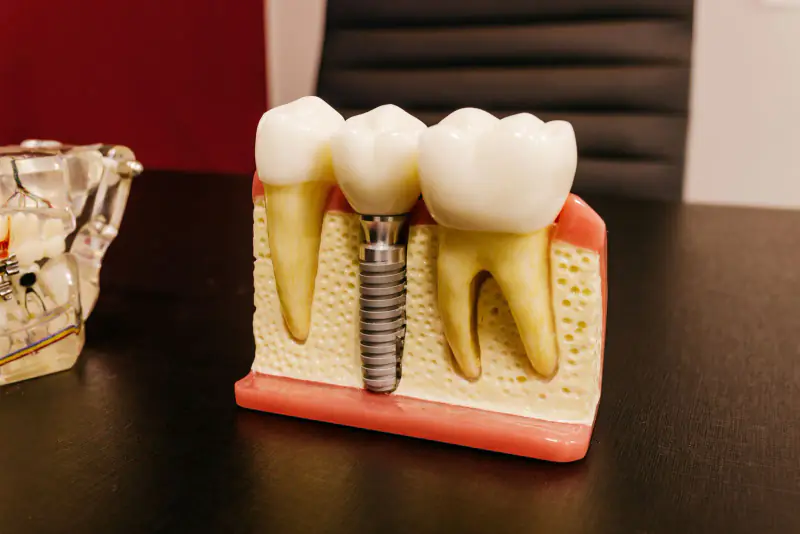
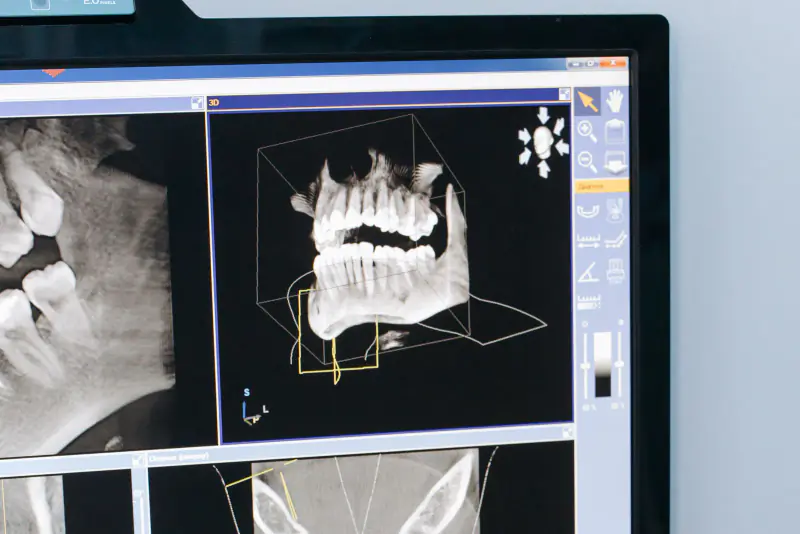
Bone Graft Before a Dental Implant: Steps and Healing
Why a bone graft is sometimes needed before an implant, how the procedure works and how bone heals, without overstated promises.
Dental Implant Without Enough Bone: What Options?
Not enough bone for an implant? Bone grafts, sinus lift, short or angled implants: the solutions and their limits, explained plainly.
Sinus Lift (Sinus Augmentation): When Is It Needed?
Why and how the sinus floor is raised so an implant can be placed in the upper back jaw, along with the limits and contraindications of the procedure.
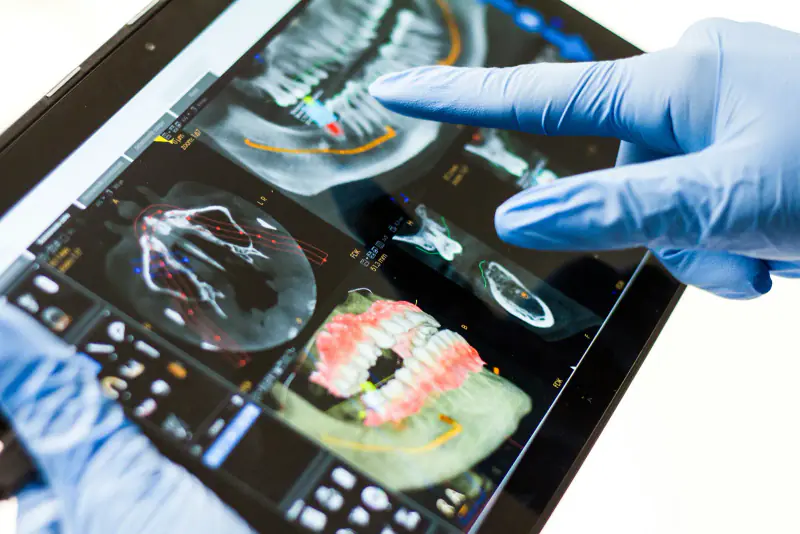
You were told: ‘there is not enough bone’
You left with a statement, not a measurement. The assessment clarifies what it means and which paths may be discussed.
Schedule an assessment
The assessment does not commit you to any treatment. It helps you understand first, then decide.