

Technology
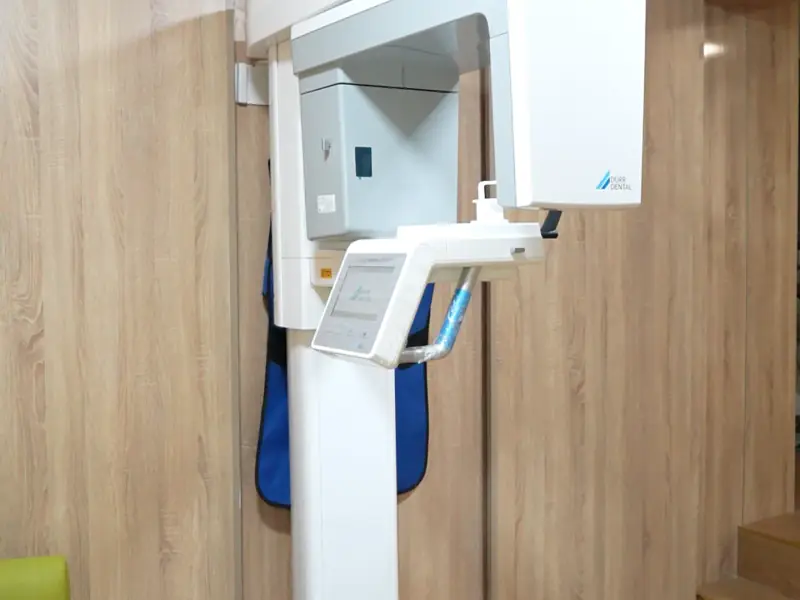
Cone Beam in Kénitra: understanding 3D dental scans
Understanding cone beam CT (CBCT): what 3D dental imaging really brings, its role in the implant work-up, the principle of radiation dose, and what it does not provide.
Technology
Les 12 technologies du cabinet, en quatre domaines : imagerie & diagnostic, flux numérique, chirurgie & implantologie, parodontologie & confort. Chacune expliquée sans jargon — comment elle fonctionne, ce qu'elle apporte au patient, et ses limites réelles.
This page presents the practice's equipment, grouped into four areas. Each page explains how the tool works, what it changes for you during care, and its limits. You do not need to know these names to be treated. They are explained here so that you know what happens during your care, and why.
Imaging and diagnosis. Cone Beam is a three-dimensional X-ray. It shows the height and width of the bone and the position of the nerves and sinuses, which helps to prepare an implant or surgery. Digital radiography displays the image on a screen, where it can be enlarged and shown to you. For you, this area is about seeing what the eye cannot see.
Digital workflow. A digital impression replaces the paste with a scanner that records your teeth in three dimensions. CAD/CAM, meaning computer-aided design and manufacturing, is used to design and then make a crown or prosthesis from that model. 3D printing produces custom guides and parts. For you, this area concerns how impressions are taken and how your prostheses are made.
Surgery and implantology. Guided surgery uses a guide, prepared from the 3D images, to place the implant where the plan says. Piezosurgery works the bone with ultrasound, which helps to spare the gum and nearby tissues. PRF is a concentrate prepared from your own blood, used when it is indicated to support healing. The dedicated surgical room is reserved for procedures and organised for asepsis, meaning protection against germs.
Periodontology, comfort and precision. A laser can be used in some gum treatments. The operating microscope magnifies the treated area to see small details, for example inside a tooth. Conscious sedation with MEOPA, a mix of oxygen and nitrous oxide that you breathe through a small mask, helps some anxious people relax while staying awake.
A technology is a means, not a promise of a result. The result depends on your situation, the diagnosis, the treatment plan and the follow-up. These pages inform you but do not replace an examination. The practice offers an assessment to decide with you what is useful in your case. The assessment does not commit you to any treatment.
Understanding cone beam CT (CBCT): what 3D dental imaging really brings, its role in the implant work-up, the principle of radiation dose, and what it does not provide.
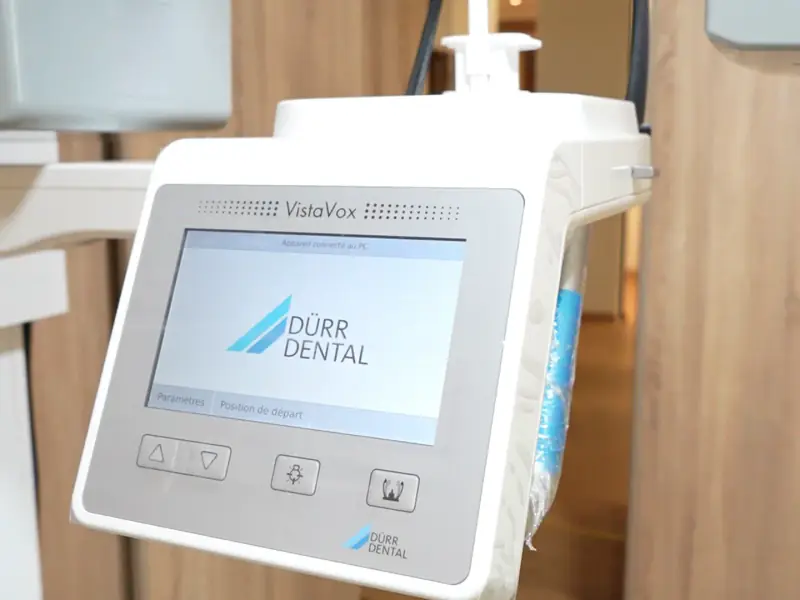
Understanding digital dental X-rays: sensors that replace film, an image on screen within seconds, a lower radiation dose, easier follow-up, and what this technology does not provide.
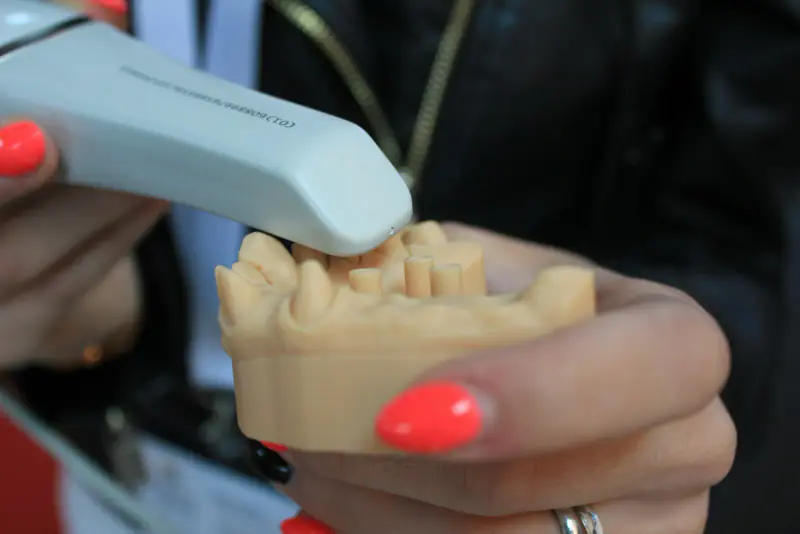
What a digital impression with an intraoral scanner is, the comfort it actually offers, its accuracy according to the literature and its limits, without turning it into a guarantee.
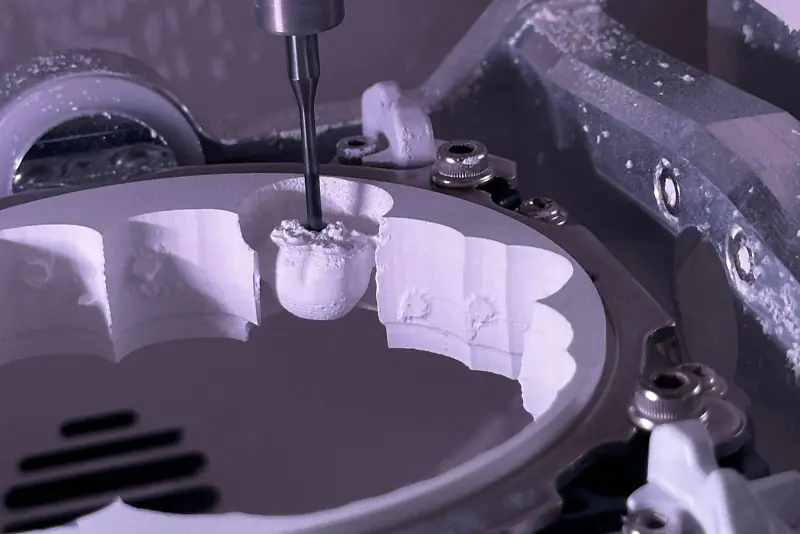
What CAD/CAM really is, from the scan to the milled restoration. And what the literature says about the fit and survival of digital restorations, without overpromising.
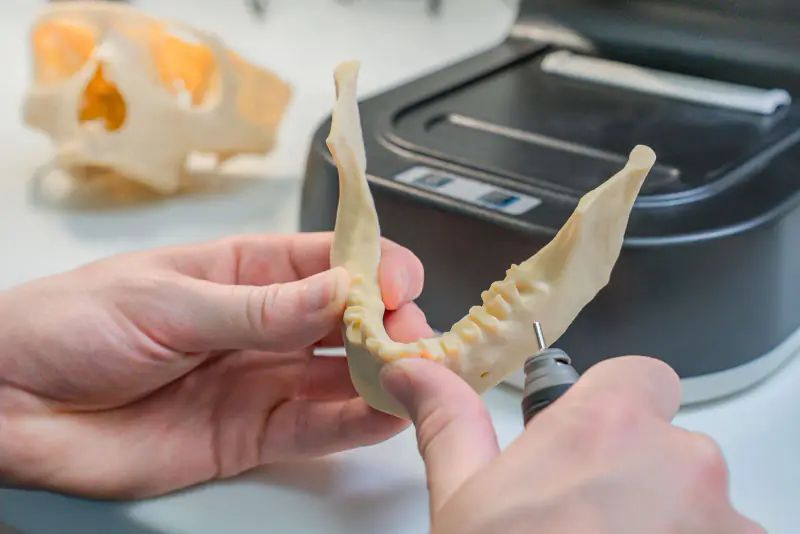
What 3D printing can really produce in dentistry — guides, splints, models, temporaries —, what the literature says about its accuracy, and what it does not replace.
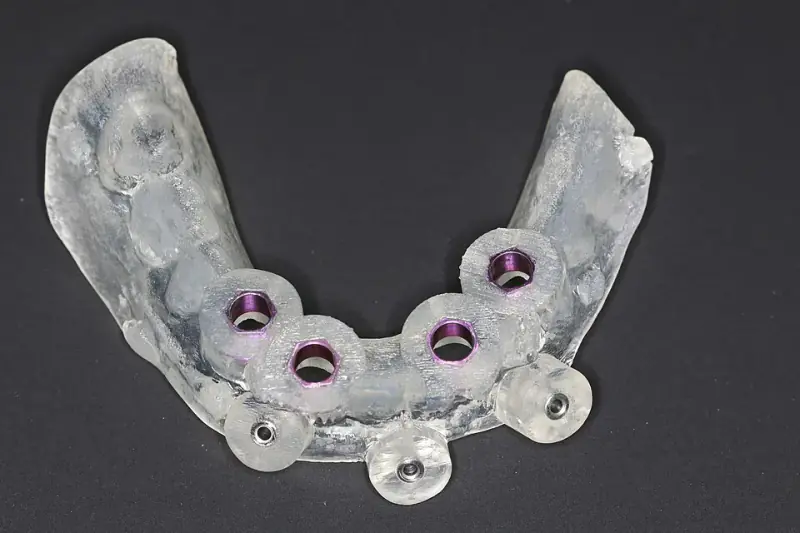
Understanding guided implant surgery: how a computer-designed guide built from the CBCT scan and the digital impression helps place the implant more precisely, and what it does not provide.
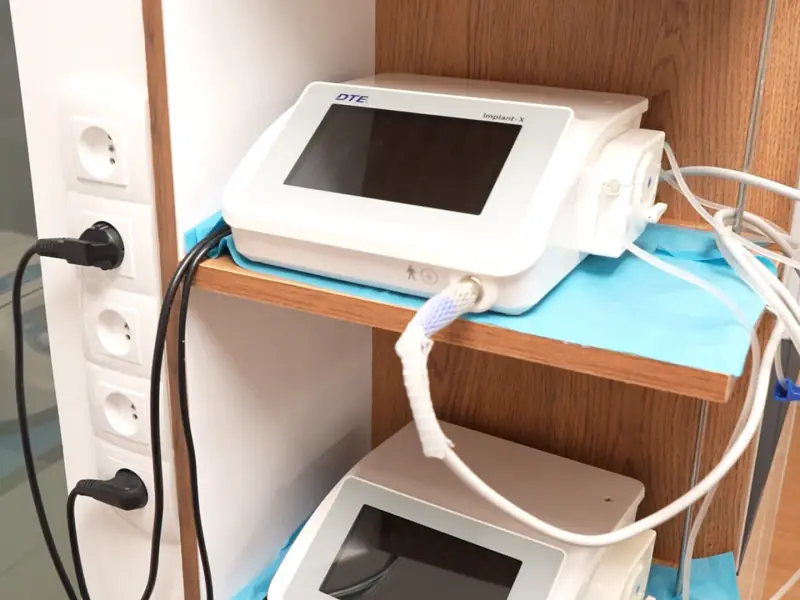
What piezosurgery is, the selective bone cutting that spares soft tissue, its indications and its limits, without overstated promises.
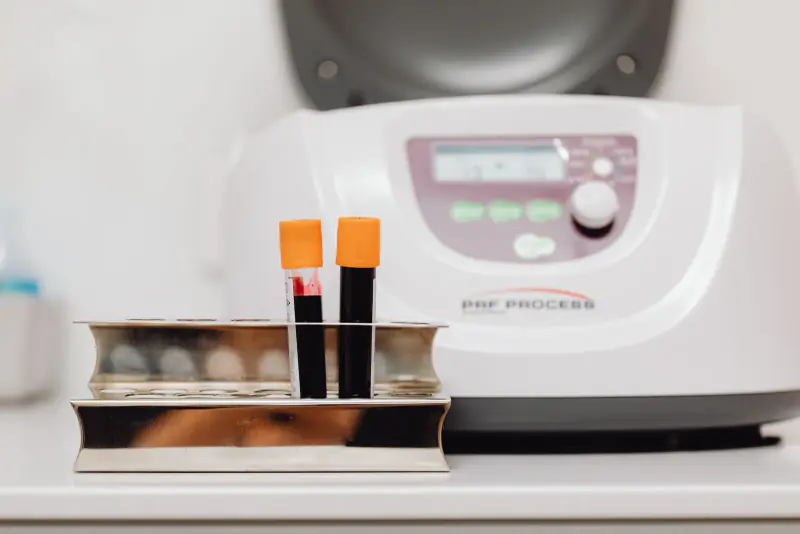
What Choukroun PRF is, how it is prepared from the patient's own blood, and what the literature suggests we can reasonably expect from it — without presenting it as a guarantee.
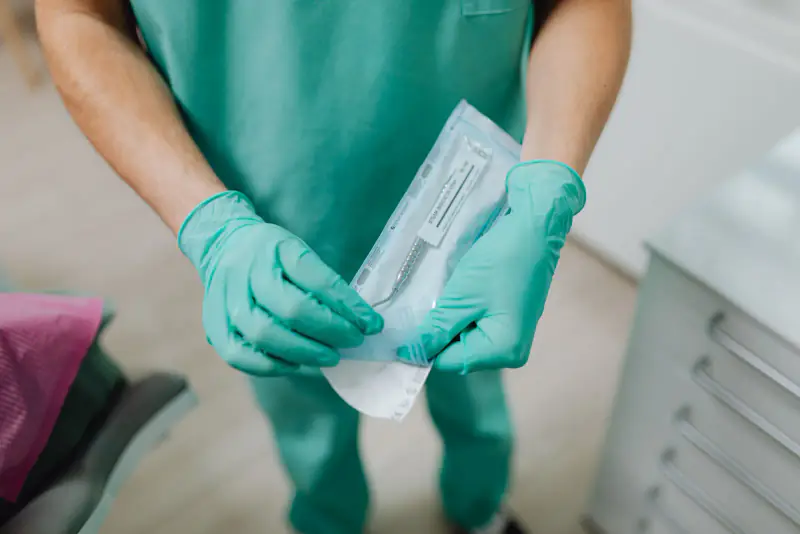
Why implant surgery takes place in a dedicated environment: the asepsis and sterilization chain, the guidelines that govern it, and the link with infection prevention — without ever claiming to eliminate risk.

The dental laser is appealing for treating the gums: less pain, antibacterial action, healing. But the evidence is nuanced: a possible adjunct, never a replacement for scaling and root planing.
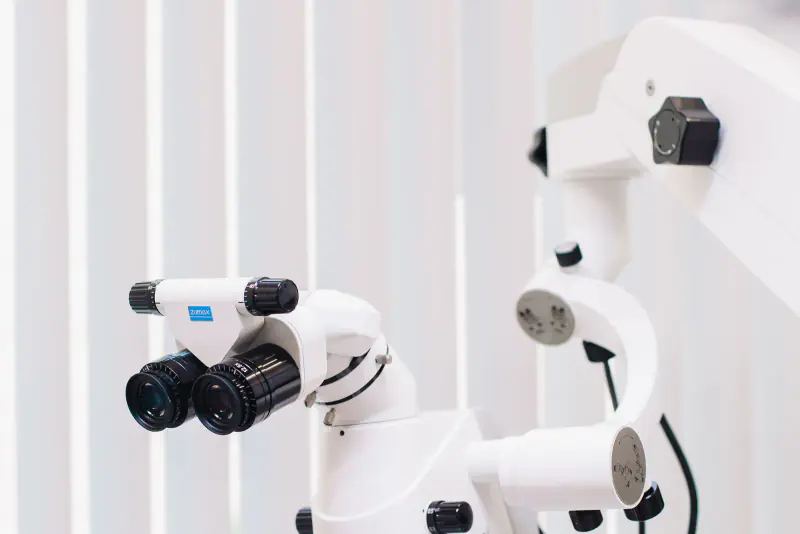
Understanding magnification in dentistry: what loupes and the operating microscope bring to the precision of care, particularly in endodontics, and what they do not.
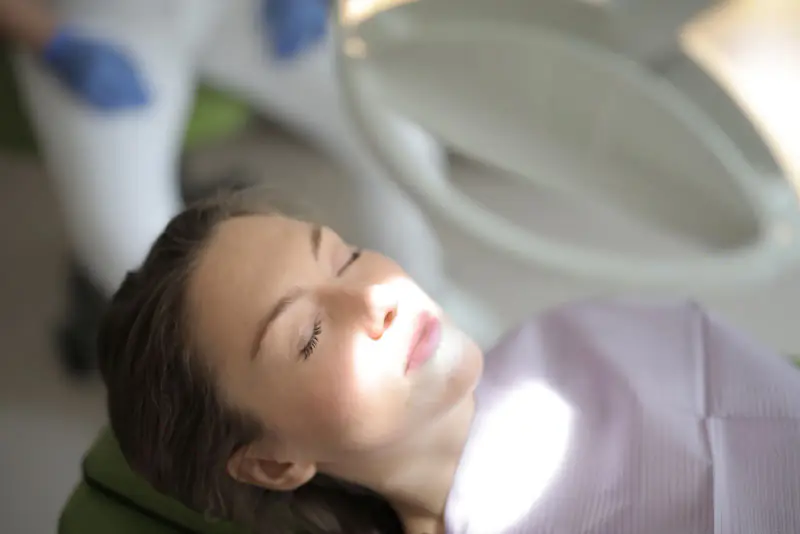
What conscious sedation with MEOPA (a nitrous oxide/oxygen mixture) actually is, who it is intended for, how a session unfolds, its contraindications and, above all, what it does not do: it is not general anesthesia.
Related treatments
Le plateau technique sert un objectif : des soins précis et plus sûrs. Découvrez les prises en charge correspondantes au cabinet.
The first step is a precise diagnosis. To schedule an assessment, call the practice or write on WhatsApp.