Dental Implants in Kénitra
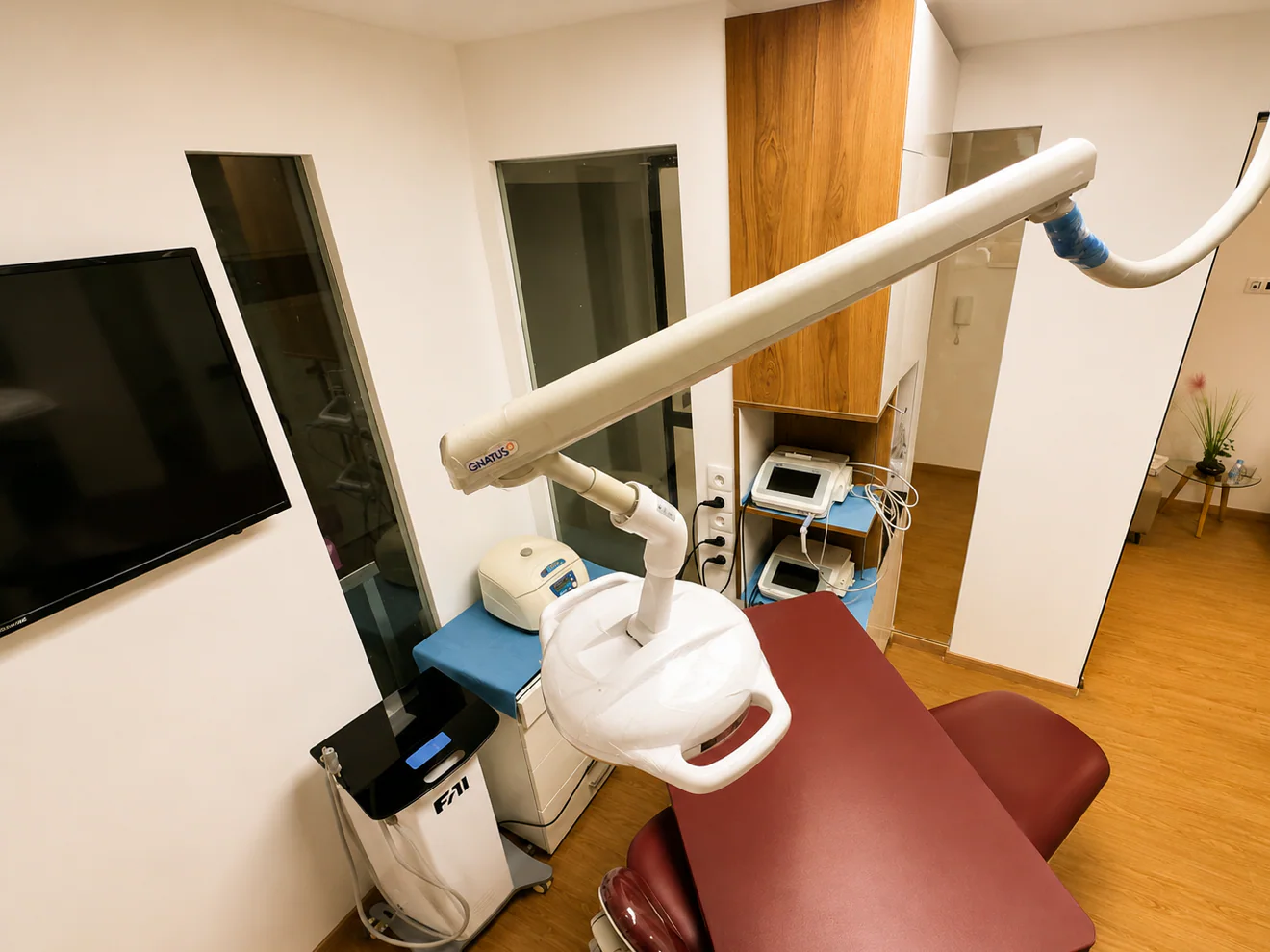
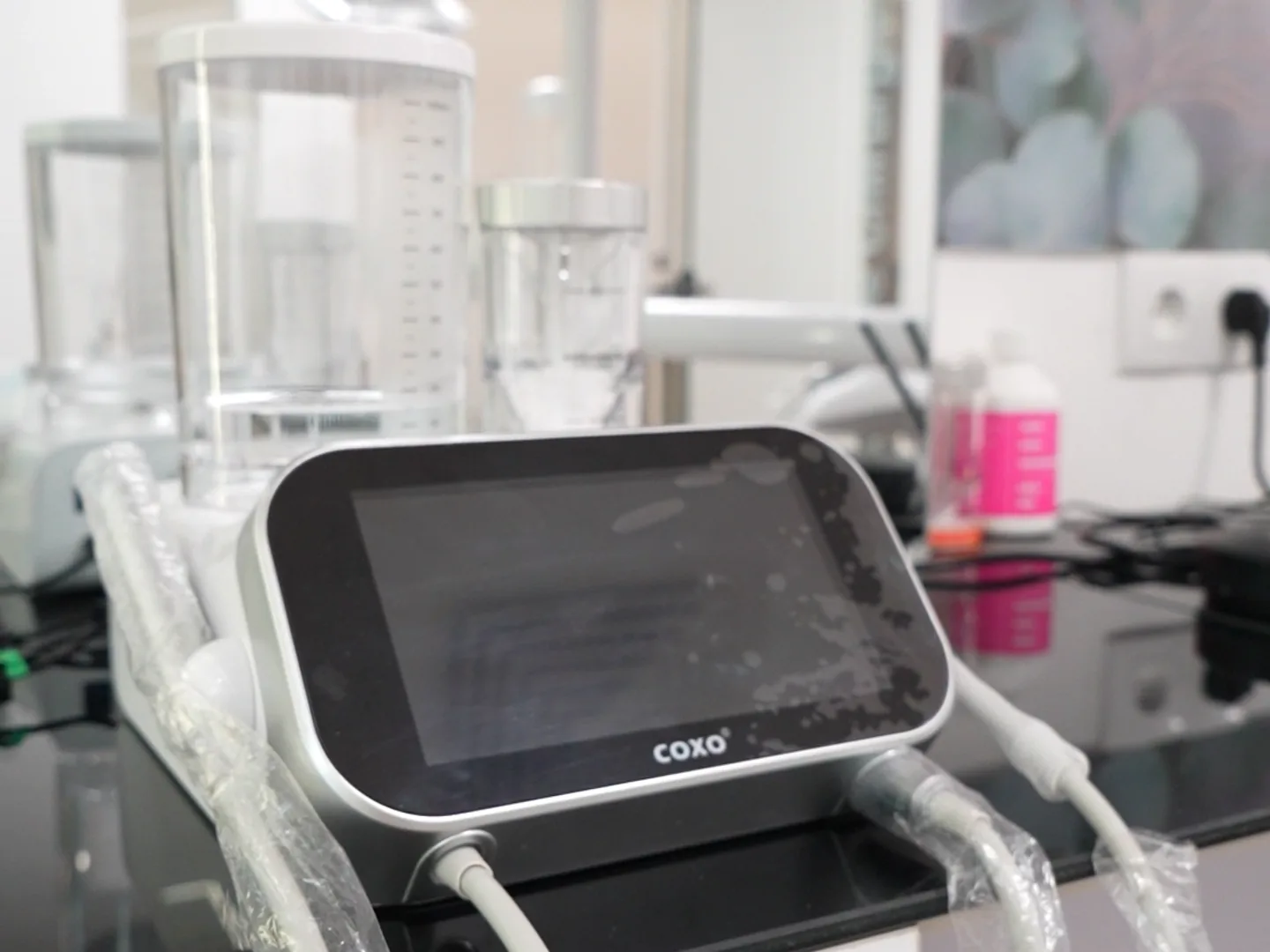
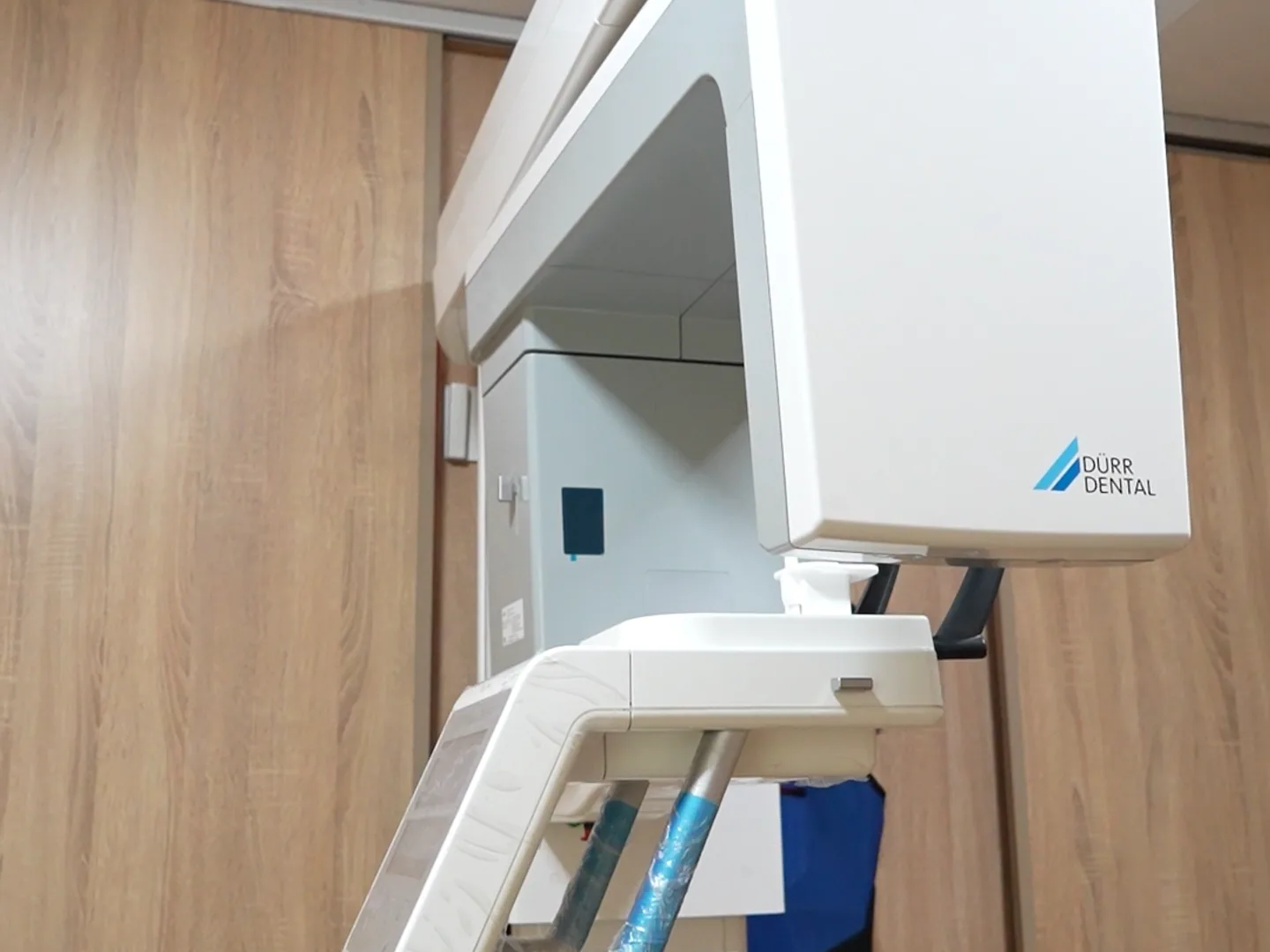
A dental implant replaces a missing tooth root and may support a crown. At Dr Fatima Azelmat's practice in Kénitra, planning starts with a clinical examination and appropriate imaging. Cone Beam is available on site when a three-dimensional assessment is justified. Healing and longevity vary with bone, gums, smoking, hygiene and follow-up.
The assessment does not commit you to any treatment. It helps you understand first, then decide.
Dental Implants in Kénitra
At Dr Fatima Azelmat’s practice in Kénitra, a complete dental implant — implant, abutment and crown — is 8,000–12,000 MAD as an indicative fee. The interval before the final crown depends on healing, the site and the prosthetic plan; the schedule is explained after assessment. The final amount depends on bone volume and any grafting, and is given to you in a written quote after the assessment (consultation 150 MAD, panoramic radiograph 200 MAD).
What you need to know
What is a dental implant?
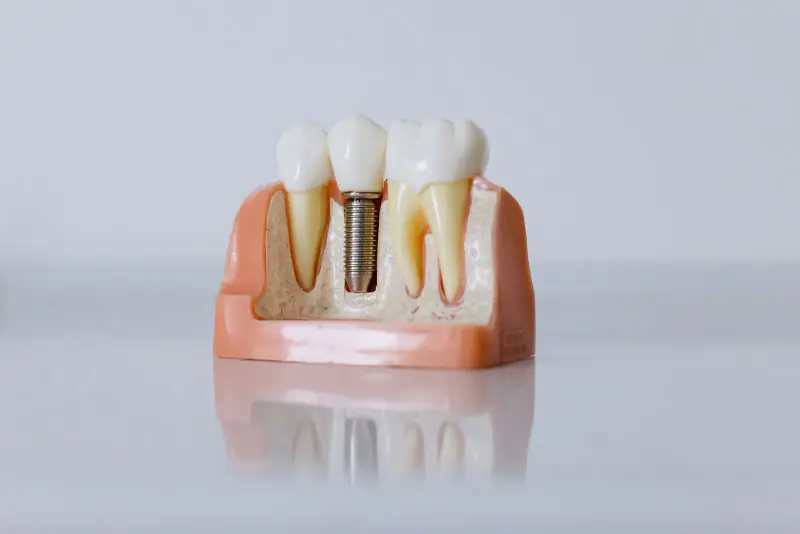
A dental implant is a small biocompatible titanium screw inserted into the jawbone to replace the root of a missing tooth. After a healing phase known as osseointegration, during which the bone bonds with the implant, an abutment is attached and then a custom-made crown. The result mimics a natural tooth, without altering the neighbouring teeth the way a bridge would.
In Morocco, people commonly say ‘plantation dentaire’ or ‘plantation des dents’ to mean placing a dental implant.
An implant is one option for replacing a missing tooth, with indications and limitations. It does not guarantee that later bone loss will be prevented. A bridge, a removable prosthesis or, in selected situations, monitoring may also be discussed.
Who is it for? Indications
Implants are intended for people who have lost one or more teeth, following deep decay, a fracture, loosening of the teeth (periodontitis) or an extraction. They can replace:
- a single tooth, with an individual implant and its crown;
- several teeth, with implants supporting a bridge;
- a full arch, with a fixed All-on-4 / All-on-6 rehabilitation.
Adequate bone is needed for the planned treatment. A bone graft or sinus lift may be considered before or during placement, but reconstruction is not automatic or always possible. Assessment may favour another option. See implants when bone is limited.
Before the implant: what the assessment looks at
An implant sits in the bone and passes through the gum. The assessment therefore begins with what cannot be seen: the height and thickness of the bone, the condition of the gum, the way your teeth meet, and the final tooth the implant will have to carry. If the gum is diseased, it is treated first: the gum is treated first, on the Periodontics page explains this pathway, and the guide Implant after periodontitis: is it possible? details the conditions. If the neighbouring tooth can bear the load, a bridge on the neighbouring teeth or a removable prosthesis are discussed with the same care. This is what the assessment examines before any implant; it does not commit you to any treatment.
How is the implant placed?
- Assessment and planning. Clinical examination and appropriate imaging; Cone Beam (CBCT) may clarify bone and neighbouring structures when indicated, informing the treatment plan and quote.
- Implant placement. Under local anaesthetic, the implant is inserted into the bone, if needed using a surgical guide (guided implant surgery). The procedure is generally well tolerated.
- Osseointegration. A healing period of a few weeks to a few months allows the bone to bond with the implant.
- Fitting the prosthesis. Once the implant has integrated, the abutment and then the final crown are fitted.
- Follow-up. Check-ups monitor bone, gums and the restoration to identify complications, without guaranteeing the implant’s lifespan.
The full sequence of steps is explained here: how a dental implant is placed, step by step.
Pain, healing and duration
Placement is done under local anaesthetic and is usually comfortable. Moderate after-effects (slight swelling, discomfort) are possible in the first few days and are managed with the post-operative instructions. The total treatment time depends on bone healing and any need for a graft; it is generally counted in weeks to a few months.
Price of a dental implant in Kénitra
At the practice, a complete implant — implant + abutment + crown — is 8,000–12,000 MAD. The fee is stated before starting: you receive a written, itemised quote after the assessment.
| Service | Indicative fee (MAD) |
|---|---|
| Consultation and initial assessment | 150 |
| Panoramic X-ray | 200 |
| Cone Beam (CBCT) — 3D imaging | 1,500 |
| Complete implant (implant + abutment + crown) | 8,000–12,000 |
| Implant only (titanium screw) | 7,000 |
| Crown on implant | 2,500 |
| Bone graft (simple) | 4,000 |
| Sinus lift | 10,000 |
Indicative fees · written quote after the assessment. See all our fees.
What makes the price vary
Two implant quotes cannot be compared on the headline figure alone. What actually changes the cost:
- The number of implants and their position on the arch.
- Preliminary procedures: bone graft or sinus lift when bone volume is insufficient.
- The type of prosthesis placed on the implant (single crown, bridge, full arch).
- Imaging: examinations depend on the clinical question; Cone Beam exposure must be justified.
A price difference may reflect different procedures or components. Check the implant, abutment, crown, imaging, temporary restoration, any graft and follow-up. Price alone does not establish quality. See dental implant costs in Morocco.
Please note: CNSS / AMO coverage for a dental implant is not automatic; it depends on the scheme, the listed procedure and the applicable conditions. Ask the managing body for written confirmation based on the itemised quote. Payment terms are set out with the quote.
Lifespan and maintenance
A well-placed, well-maintained implant can last very many years. Its longevity depends above all on the health of the gum and bone around it: thorough brushing, cleaning between the teeth and regular check-ups are decisive. Smoking and untreated periodontitis are the two main causes of failure; see the signs of an implant in difficulty. Titanium is very well tolerated by the body: true allergies are exceptional.
How the practice works
Dr Fatima Azelmat assesses the treatment project using clinical findings and useful images; 3D imaging depends on the indication. The discussion includes gum health, maintenance, limitations and alternatives when an implant is not appropriate.
Start with your situation, not a treatment
Does one of these situations sound familiar? Read the one that matches yours.
Two situations often lead here: a tooth that has been missing for years and a denture that no longer stays in place. Each explains what the assessment measures before talking about an implant.
Frequently asked questions
How much does a dental implant cost in Kénitra?
At the practice, a complete implant — implant + abutment + crown — is 8,000–12,000 MAD. The implant alone is 7,000 MAD and a crown on an implant is 2,500 MAD. The initial assessment is 150 MAD and the Cone Beam 1,500 MAD. A written, itemised quote is given to you after the assessment.
Does the price include the crown?
Yes: the 8,000–12,000 MAD fee covers the complete implant, that is the implant, the abutment and the crown. This is an important point to check when comparing quotes, as some include only the titanium screw.
Is placing an implant painful?
Placement is done under local anaesthetic and is generally well tolerated. Moderate after-effects (swelling, discomfort) are usual in the first few days and are managed with the post-operative instructions.
How long does treatment take?
Allow a healing phase (osseointegration) of a few weeks to a few months between placing the implant and the final prosthesis. The timescale depends on the site and any need for a bone graft.
Can an implant be placed if bone is missing?
Yes, in many cases. When bone volume is insufficient, a bone graft or a sinus lift can be performed before or during placement. The Cone Beam makes it possible to assess the situation precisely.
Is an implant reimbursed by CNSS or AMO?
Coverage is not automatic; it depends on the scheme, the listed procedure and the applicable conditions. Send the itemised quote to CNSS, CNOPS or your insurer and request written confirmation. Payment terms are set out with the quote.
Can an implant be placed after periodontitis?
Yes, in certain situations, once the periodontitis has been treated and stabilised. The assessment measures the gum and the bone around the remaining teeth before any implant is planned, and gum follow-up continues after placement.
What happens if the assessment shows that an implant is not the right option?
The assessment says so. The other options are explained with their limitations: bridge, removable prosthesis, implant-retained prosthesis or monitoring. No treatment is decided during the assessment.
How many visits are needed for an implant?
That depends on healing, on any bone reconstruction and on the final tooth planned. The number of visits and their order are written in the plan given to you after the assessment, according to your situation.
Is ‘plantation dentaire’ the same as a dental implant?
Yes. In Morocco, ‘plantation des dents’ is the everyday expression for placing a dental implant.
Read on the blog
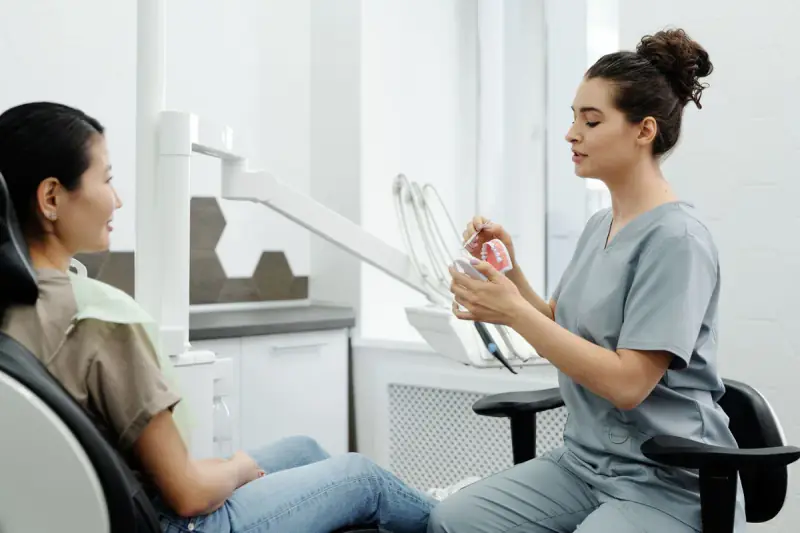
How Is a Dental Implant Placed? Step by Step
From assessment to crown: understand each stage of implant placement, healing times, after-effects and limitations.
Dental Implant Price in Morocco: Full Cost and Quote
A Morocco price reference, what a complete implant includes, and the factors that change a quote, from grafting to imaging and restoration.
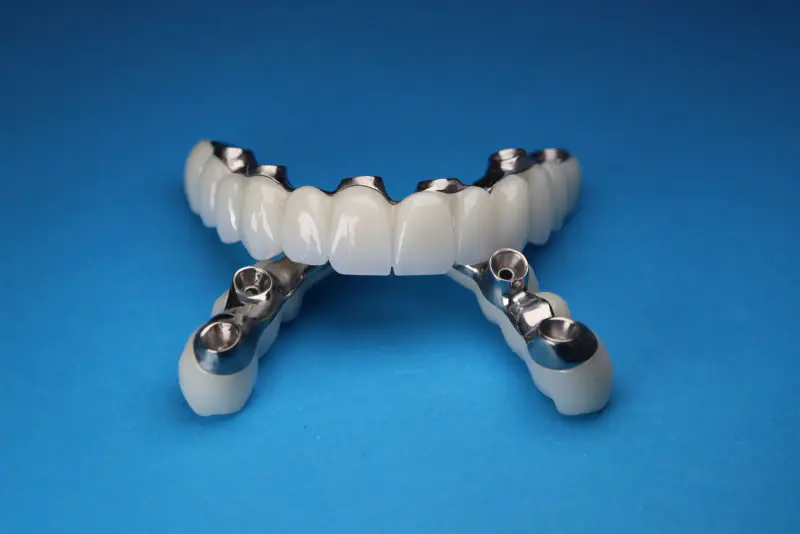
Full-Arch Implant Rehabilitation (All-on-4 / All-on-6)
Understanding fixed full-arch rehabilitation on 4 to 6 implants (All-on-4 / All-on-6): how it works, indications, treatment steps, upkeep, survival data and honest limits.
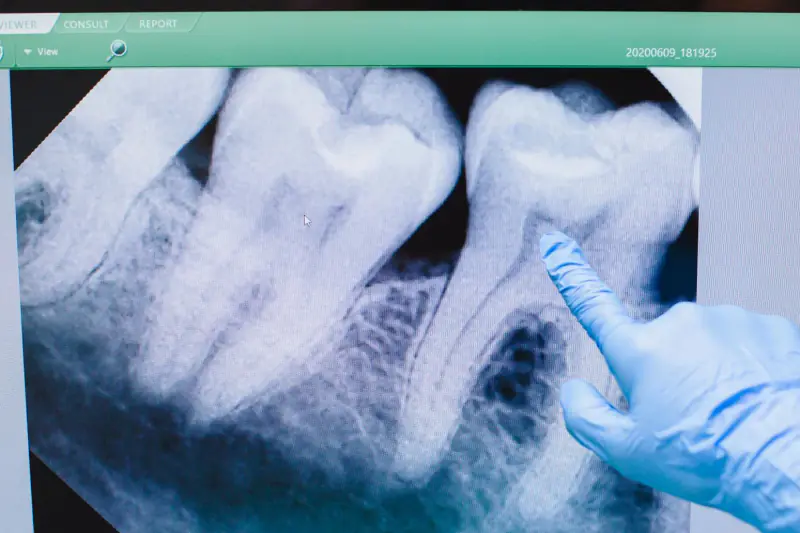
Implants After Periodontitis: Is It Possible?
Having had periodontitis does not rule out an implant. But it is a recognized risk factor for peri-implantitis, calling for a mouth restored to health and lifelong follow-up.
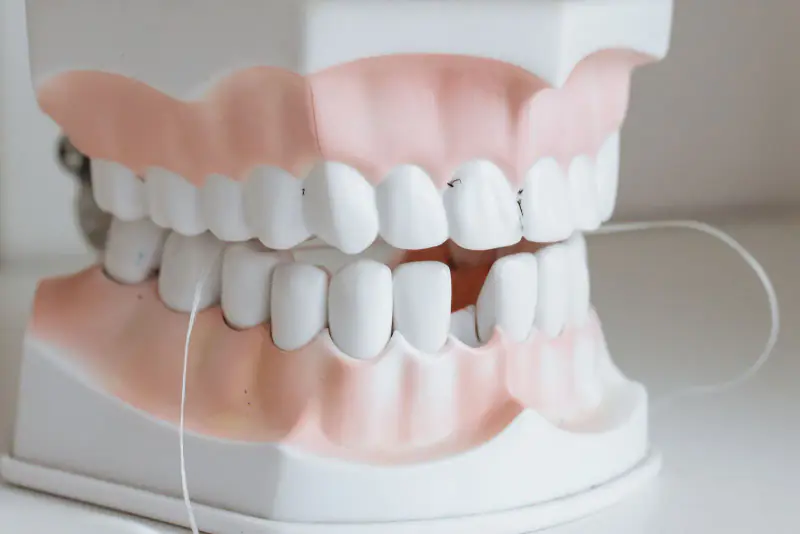
A tooth has been missing for years
The gap has become familiar, but the bone and neighbouring teeth may continue to change. The assessment measures which options remain possible.
Schedule an assessment
The assessment does not commit you to any treatment. It helps you understand first, then decide.