Care & prevention
Teeth and general health: evidence and misconceptions
How to tell a genuine oral problem from symptoms that need another assessment: evidence, uncertainty and warning signs.
Read the article
The first step is a precise diagnosis. To schedule an assessment, call the practice or write on WhatsApp.
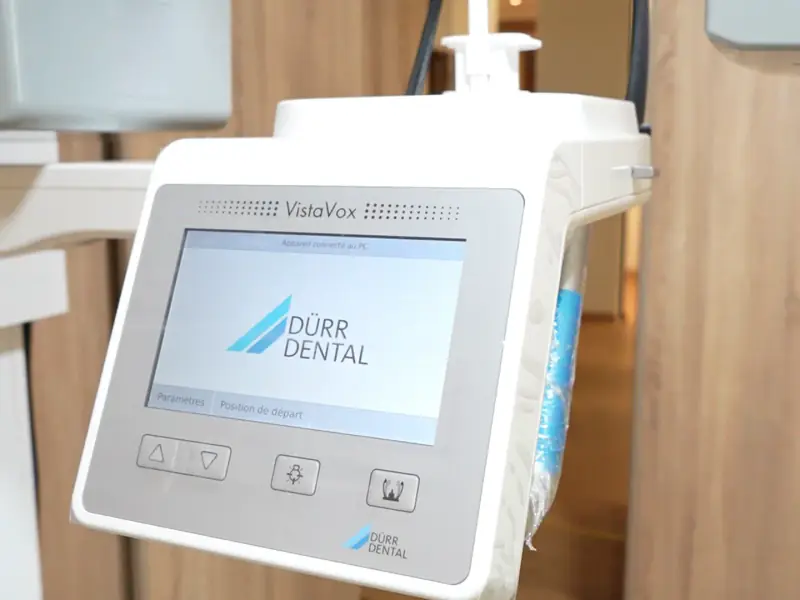
The practice's technology: 3D Cone Beam imaging, digital impressions, piezosurgery, PRF and CAD/CAM. These tools support more precise, safer care.
Implants, bone grafts, sinus lifts and pre-implant surgery. Understand the indications, main steps, recovery and limits before you decide.
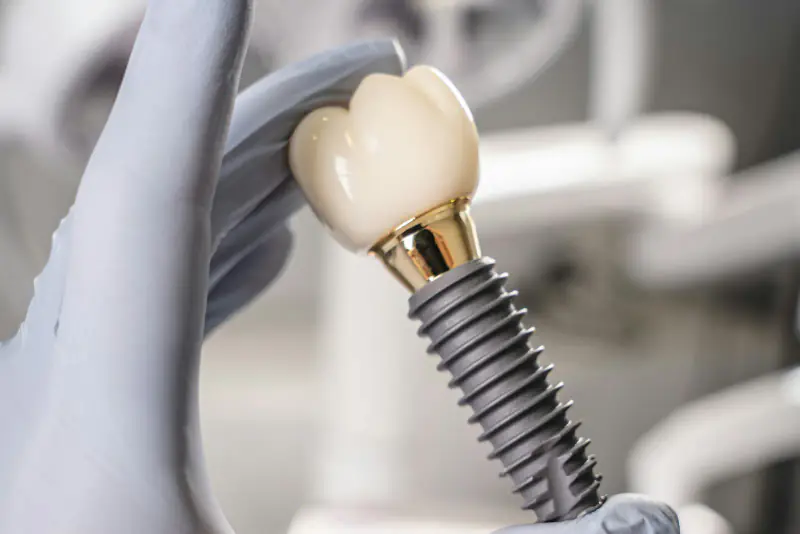
Titanium is not “rejected” the way a transplanted organ is. What biocompatibility, rare hypersensitivity and implant failure really involve.
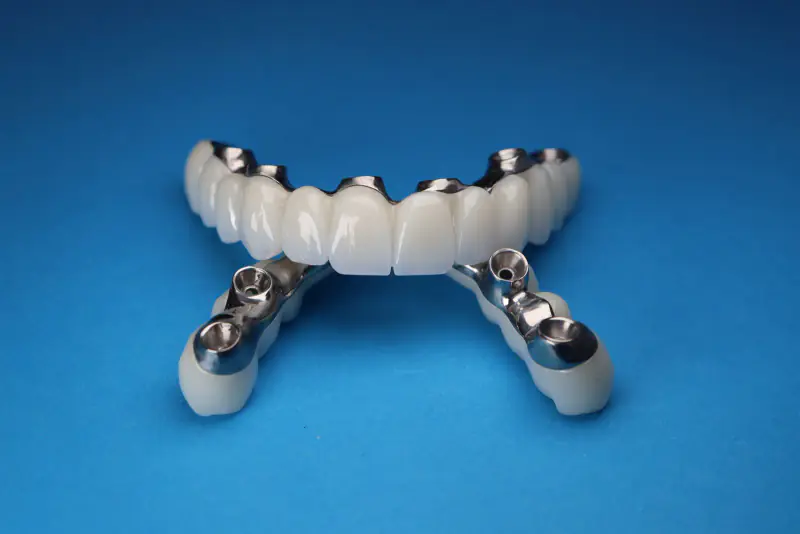
Understanding fixed full-arch rehabilitation on 4 to 6 implants (All-on-4 / All-on-6): how it works, indications, treatment steps, upkeep, survival data and honest limits.
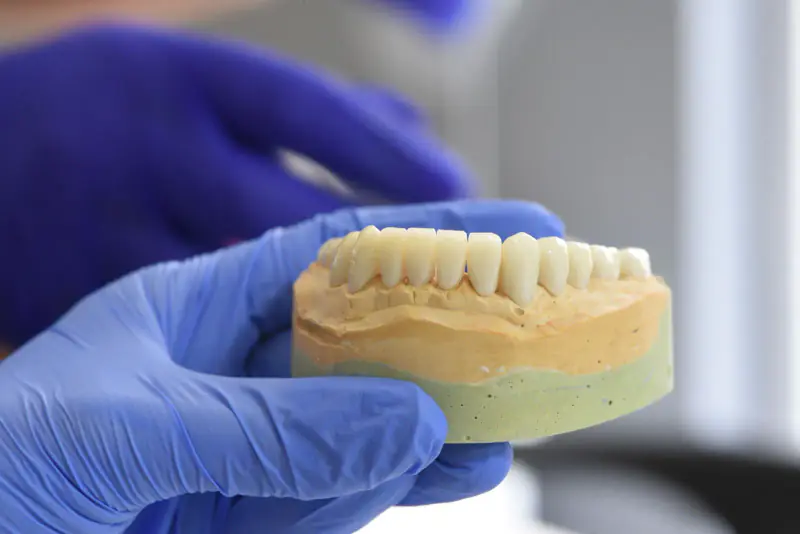
Immediate or delayed loading: what actually changes, the conditions that must be met, and what the literature says about comparative survival — without the "tooth in 24 hours" promise.
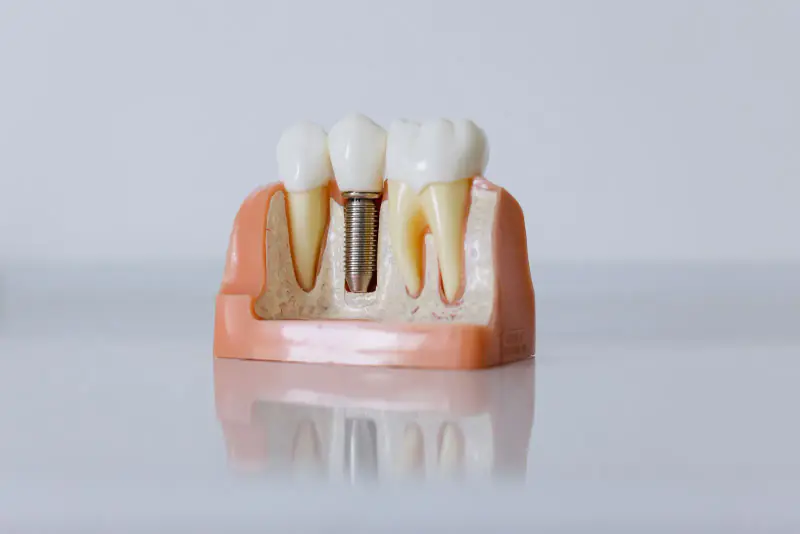
From assessment to crown: understand each stage of implant placement, healing times, after-effects and limitations.
Gums, supporting bone and the tissue around implants. Understand prevention, treatment and long-term follow-up for healthy, stable tissues.

The dental laser is appealing for treating the gums: less pain, antibacterial action, healing. But the evidence is nuanced: a possible adjunct, never a replacement for scaling and root planing.
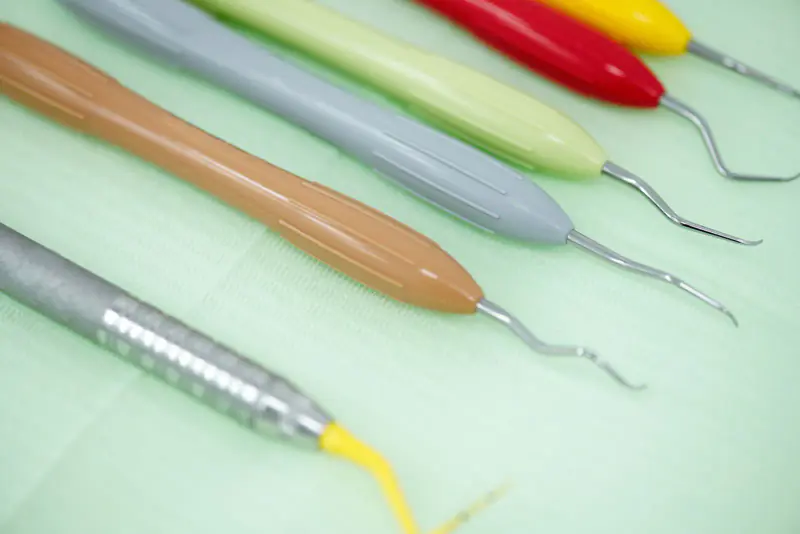
Routine scaling removes visible tartar; root planing cleans the root surfaces beneath the gums. Two different procedures, explained without overpromising.
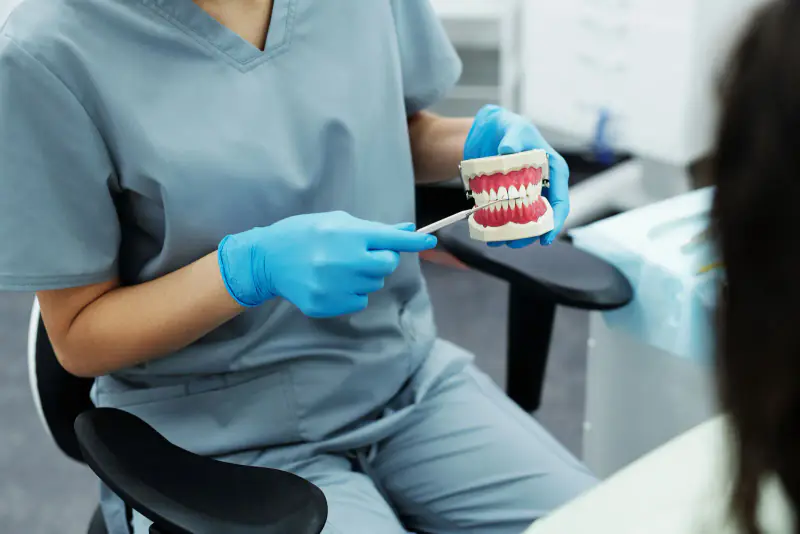
When the gum pulls back and exposes the root: what a recession means, what causes it, what it risks, and what mucogingival surgery can, or cannot, cover.
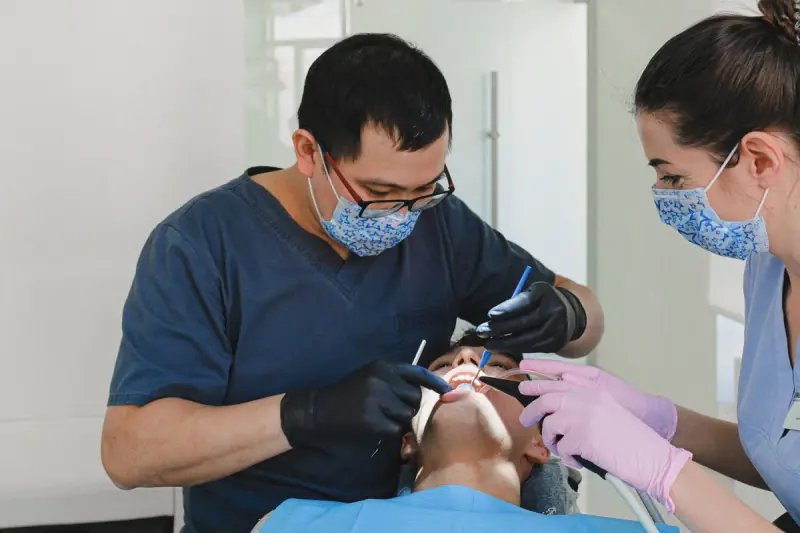
Once periodontitis has been treated, regular maintenance is what determines the long-term result. What a well-run supportive therapy program involves, how often to come in, and what the evidence shows.
Veneers, whitening and crowns. Understand their indications, their limits and the stages of a smile treatment suited to each situation.
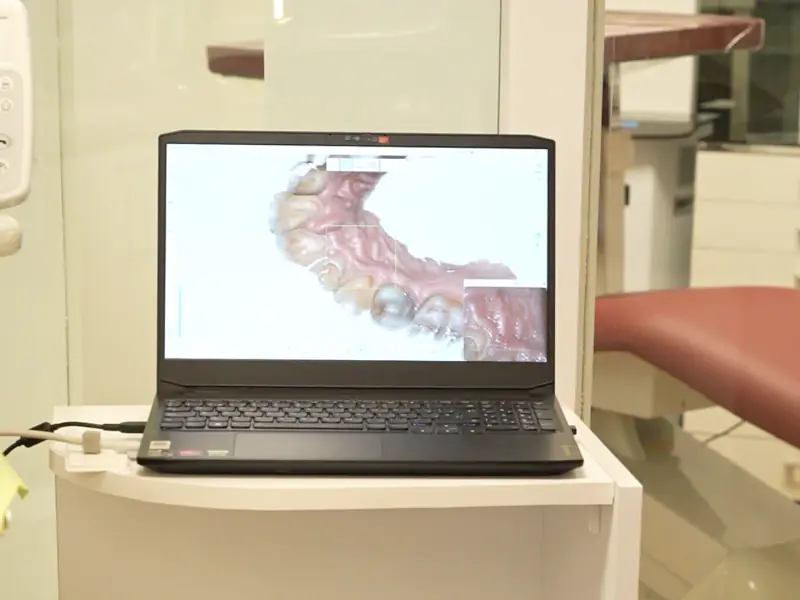
What Digital Smile Design is, how it lets you visualize and decide on your future smile together before any treatment, and why a simulation remains a projection, not a guarantee of the final result.
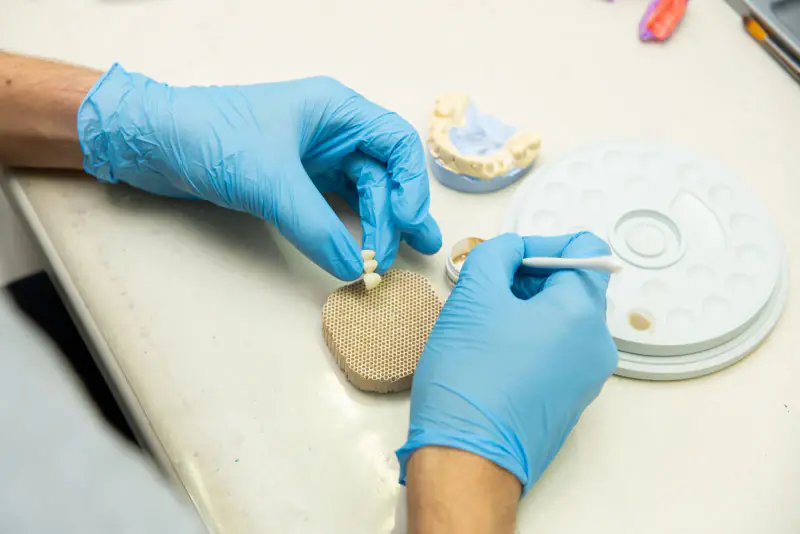
Zirconia is a very strong ceramic that replaces the metal under a crown: an honest, sourced look at the esthetics, strength, biocompatibility and real limits of the metal-free crown.
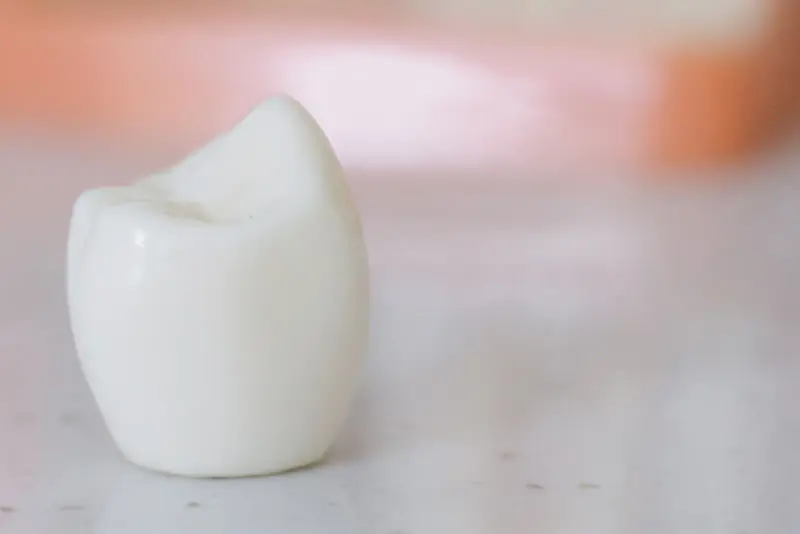
When is a crown truly indicated, which material should you choose, and how long does it last? A clear, well-sourced overview — with no promises about longevity.
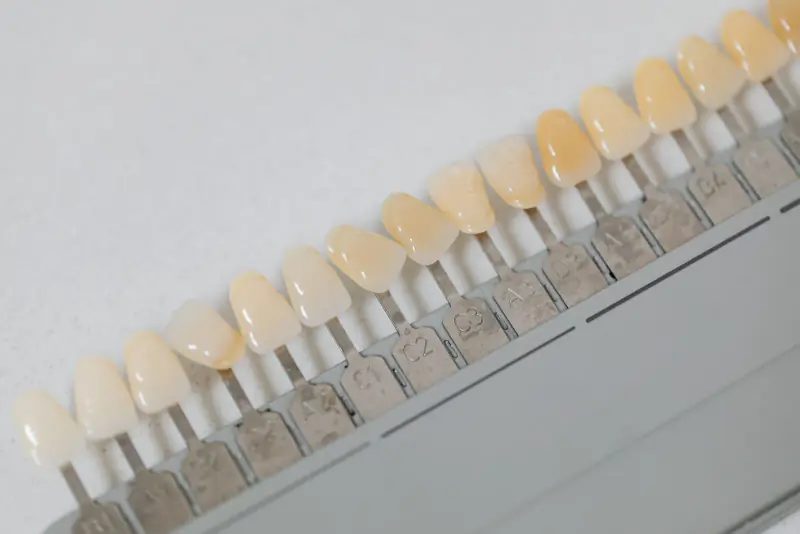
How teeth whitening works, what it can and cannot do, its side effects, and the framework that makes it a procedure carried out under the care of a dental surgeon.
Cavities, sensitivity, emergencies and hygiene. Practical guidance on daily dental care, on prevention and on when to see a dentist.
How to tell a genuine oral problem from symptoms that need another assessment: evidence, uncertainty and warning signs.

The phrase “pain-free anesthesia” is appealing, but what is it really worth? This article explains how local anesthesia works, what topical numbing gel and computer-assisted injection bring, the simple techniques that make the injection nearly painless — and what anesthesia does not take away: anxiety.

Requesting a dental consultation online saves time: the request goes out at any hour, without waiting on the phone. Here is why it helps, how it works at Dr Fatima Azelmat's practice in Kénitra, what information to have ready, and when it is better to call directly.
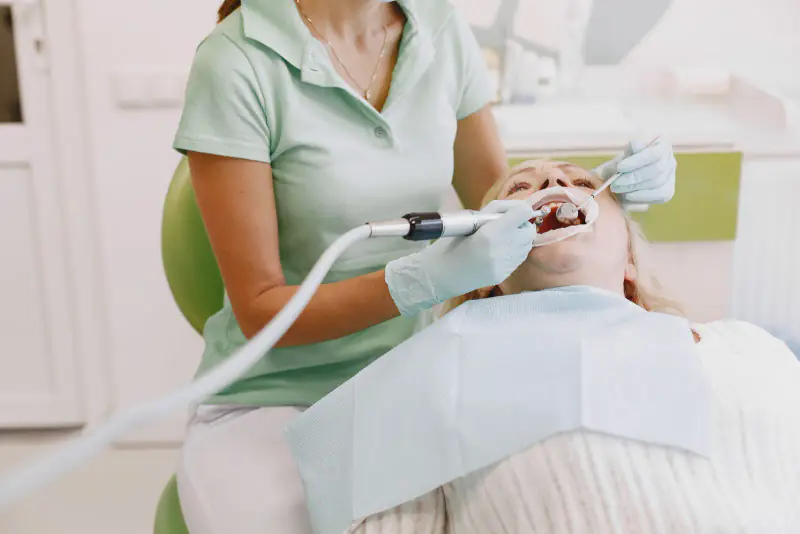
Air polishing lifts away biofilm and surface stains with a jet of air, water, and fine powder. A complement to scaling, not a whitening treatment: its indications and its limits, explained without overpromising.
From a child's first visit to aligning adult teeth. Understand orthodontic options, follow-up and everyday care for the smile at every age.

When to take your child to the dentist for the first time, why this early visit is useful, how to prepare your child without passing on your own fears, and what happens during the appointment.
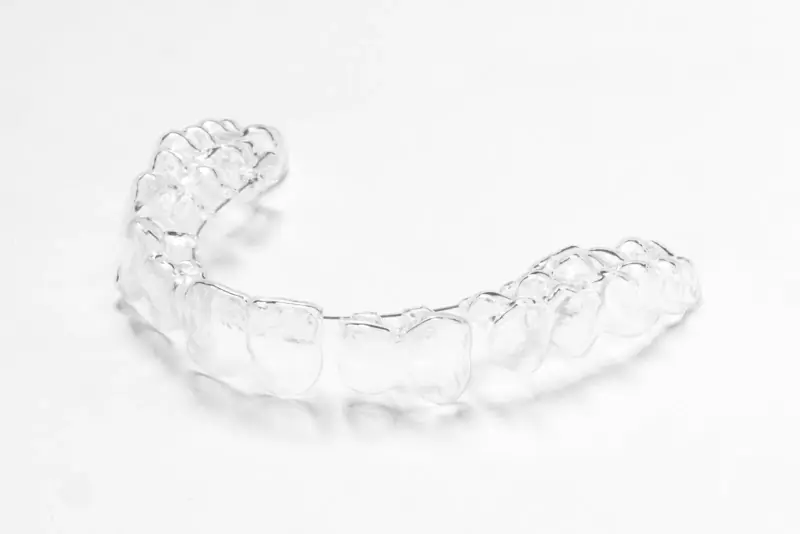
Orthodontics is not just for teenagers. In adults it aligns the teeth, prepares a prosthesis or an implant, and calls for lasting retention: the essentials, without overpromising.
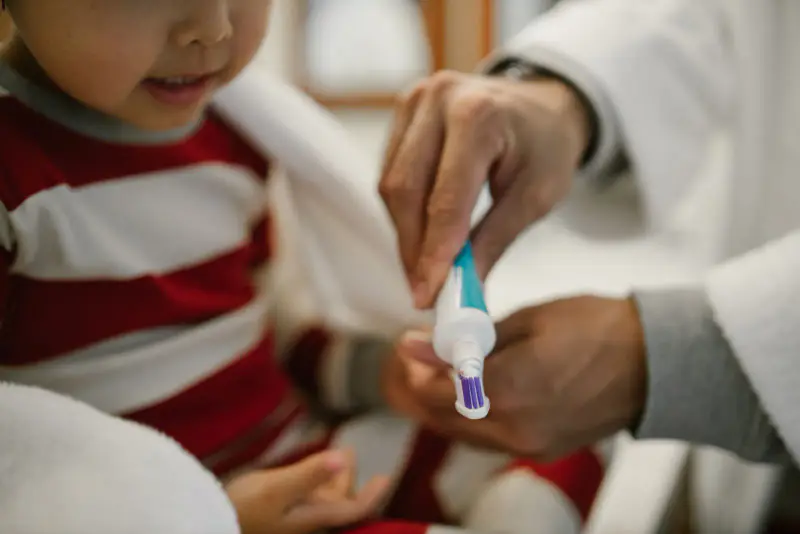
Preventing and treating cavities in children: fluoride by age, dental sealants, baby bottle tooth decay and the first visit, without alarmism.
Clear comparisons and practical benchmarks. Understand treatment options, prepare your questions and make an informed choice without sales pressure.
It fitted well at first. If the ridge beneath it has changed, the denture no longer matches its current shape.
What you feel is a signal, not a sentence. The gum and bone are examined before each tooth is assessed.
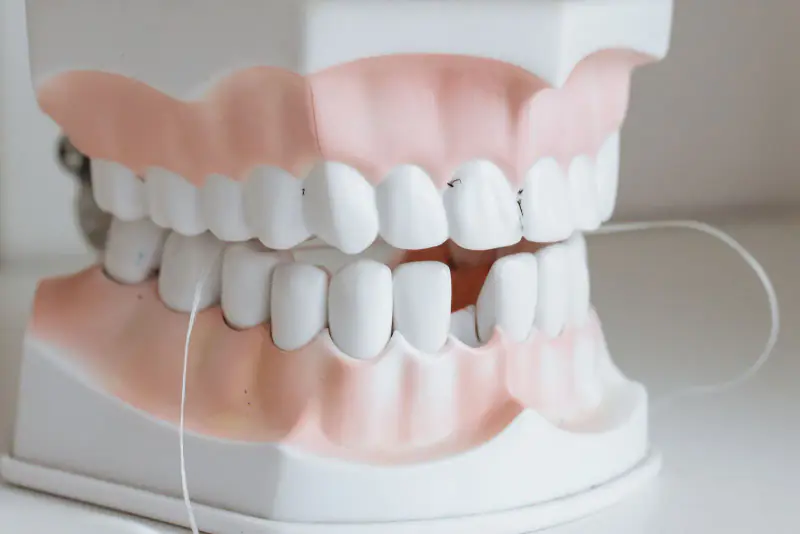
The gap has become familiar, but the bone and neighbouring teeth may continue to change. The assessment measures which options remain possible.

The timetable follows healing, not the return ticket. Some stages require you to be present, while others may need to wait until another stay.
From assessment to crown: understand each stage of implant placement, healing times, after-effects and limitations.

Understand before deciding
Missing tooth, insufficient bone, bleeding gums, an unstable denture or quotes that are difficult to compare: find the page that matches your situation.
Learn moreThe procedures, explained without deciding
Dental implants in Kénitra with Dr Fatima Azelmat: complete implant at 8,000–12,000 MAD, on-site Cone Beam, written quote and appointment.
Learn more Dental Implants in Kénitra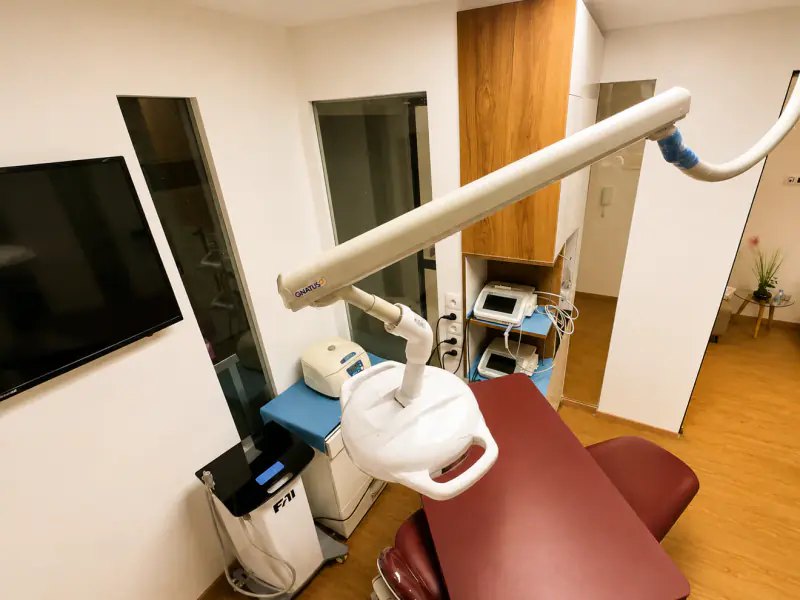
The procedures, explained without deciding
Dental bone grafting in Kenitra: rebuild bone before an implant when volume is insufficient. Techniques, procedure, healing and a personalised quote.
Learn more Dental Bone Grafting in Kenitra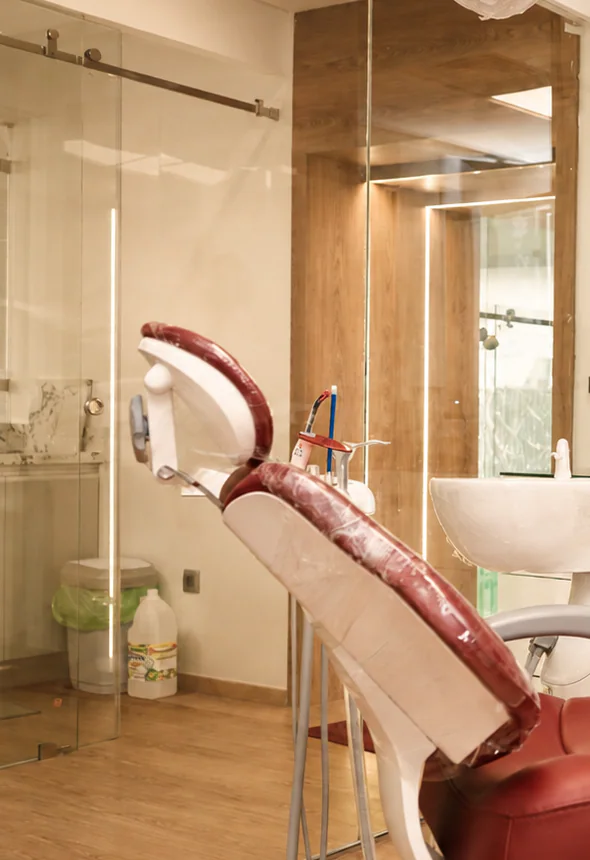
The procedures, explained without deciding
Periodontics in Kénitra with Dr Fatima Azelmat: treatment for receding gums, bleeding gums and periodontitis. Periodontal assessment and a personalised care plan.
Learn more Periodontics in Kénitra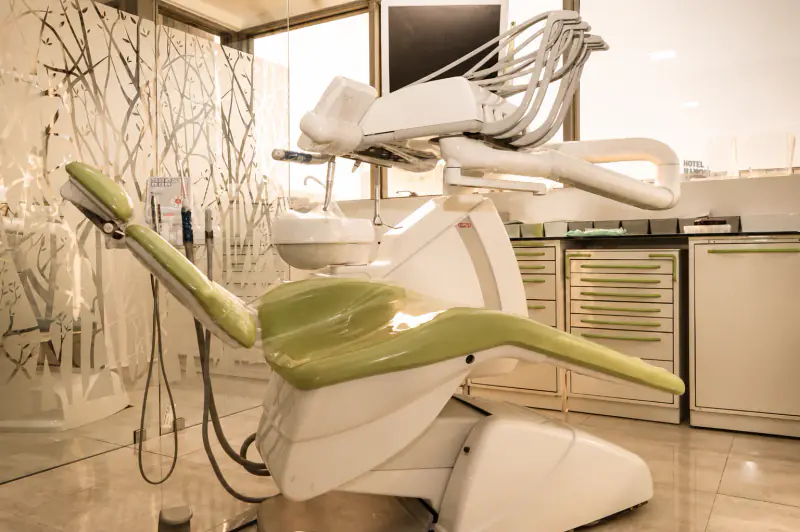
The procedures, explained without deciding
Ceramic dental veneers in Kénitra: correct the colour, shape and alignment of teeth with a digital smile design and a natural-looking result.
Learn more Dental veneers in Kénitra
Blog
How to tell a genuine oral problem from symptoms that need another assessment: evidence, uncertainty and warning signs.
It fitted well at first. If the ridge beneath it has changed, the denture no longer matches its current shape.
What you feel is a signal, not a sentence. The gum and bone are examined before each tooth is assessed.
The gap has become familiar, but the bone and neighbouring teeth may continue to change. The assessment measures which options remain possible.
The timetable follows healing, not the return ticket. Some stages require you to be present, while others may need to wait until another stay.
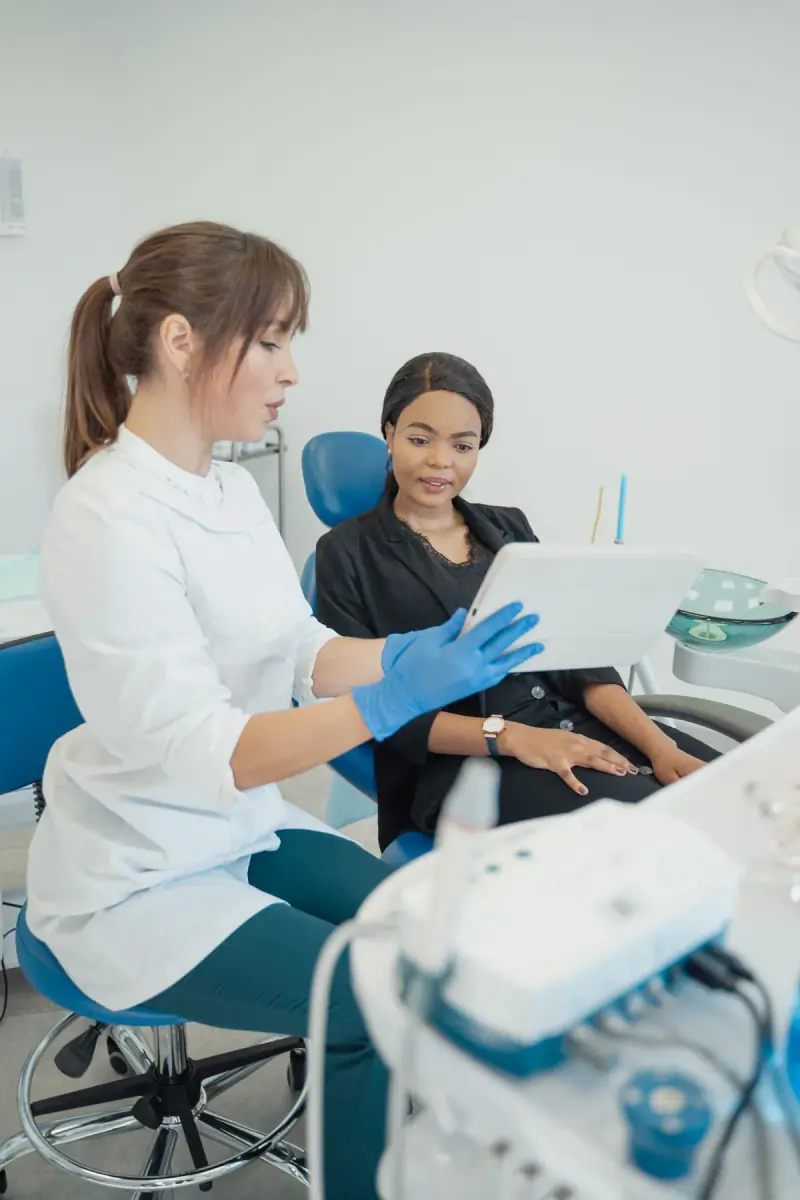
Price alone is not enough for a comparison. Two quotes become understandable when every stage, component and follow-up step is stated clearly.
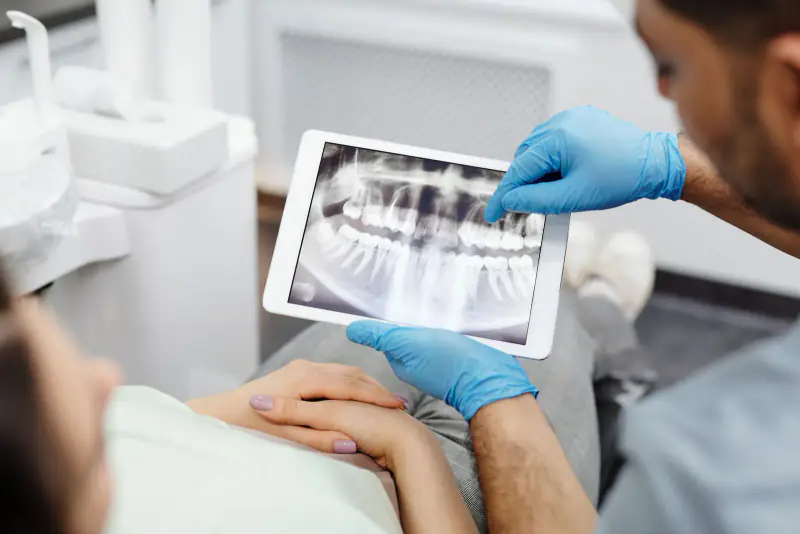
A tooth is supported by what lies beneath it. This is the order in which I examine the bone, gum, bite, final tooth and follow-up.
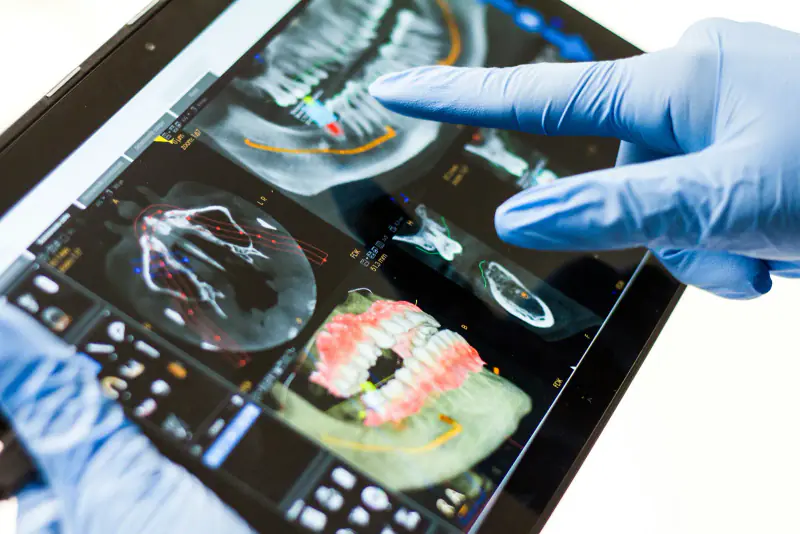
You left with a statement, not a measurement. The assessment clarifies what it means and which paths may be discussed.
The phrase “pain-free anesthesia” is appealing, but what is it really worth? This article explains how local anesthesia works, what topical numbing gel and computer-assisted injection bring, the simple techniques that make the injection nearly painless — and what anesthesia does not take away: anxiety.
Requesting a dental consultation online saves time: the request goes out at any hour, without waiting on the phone. Here is why it helps, how it works at Dr Fatima Azelmat's practice in Kénitra, what information to have ready, and when it is better to call directly.
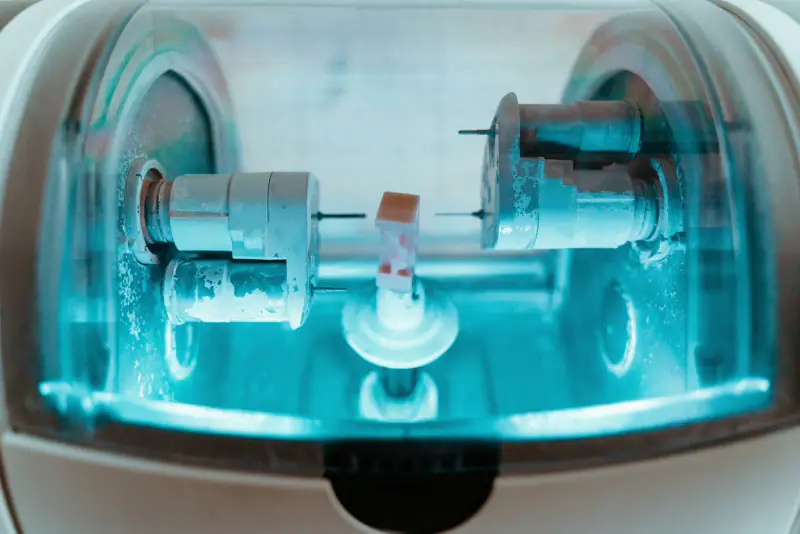
Between a filling and a crown, the ceramic inlay-onlay repairs a damaged tooth while keeping as much natural tissue as possible. Here is where it fits, what the literature says, and its limits.
Air polishing lifts away biofilm and surface stains with a jet of air, water, and fine powder. A complement to scaling, not a whitening treatment: its indications and its limits, explained without overpromising.
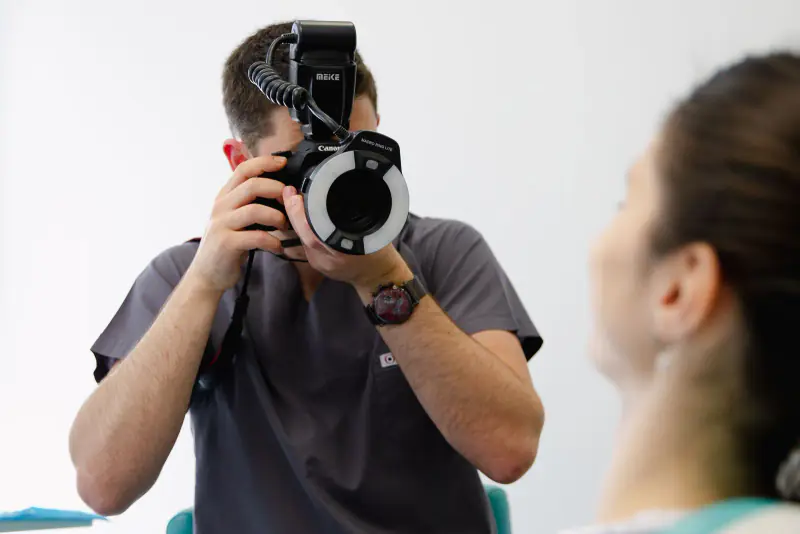
What dental photography really brings to the practice — diagnosis, before/after follow-up, patient dialogue and the link with the dental lab — how it works, and why a photo is not a diagnosis.
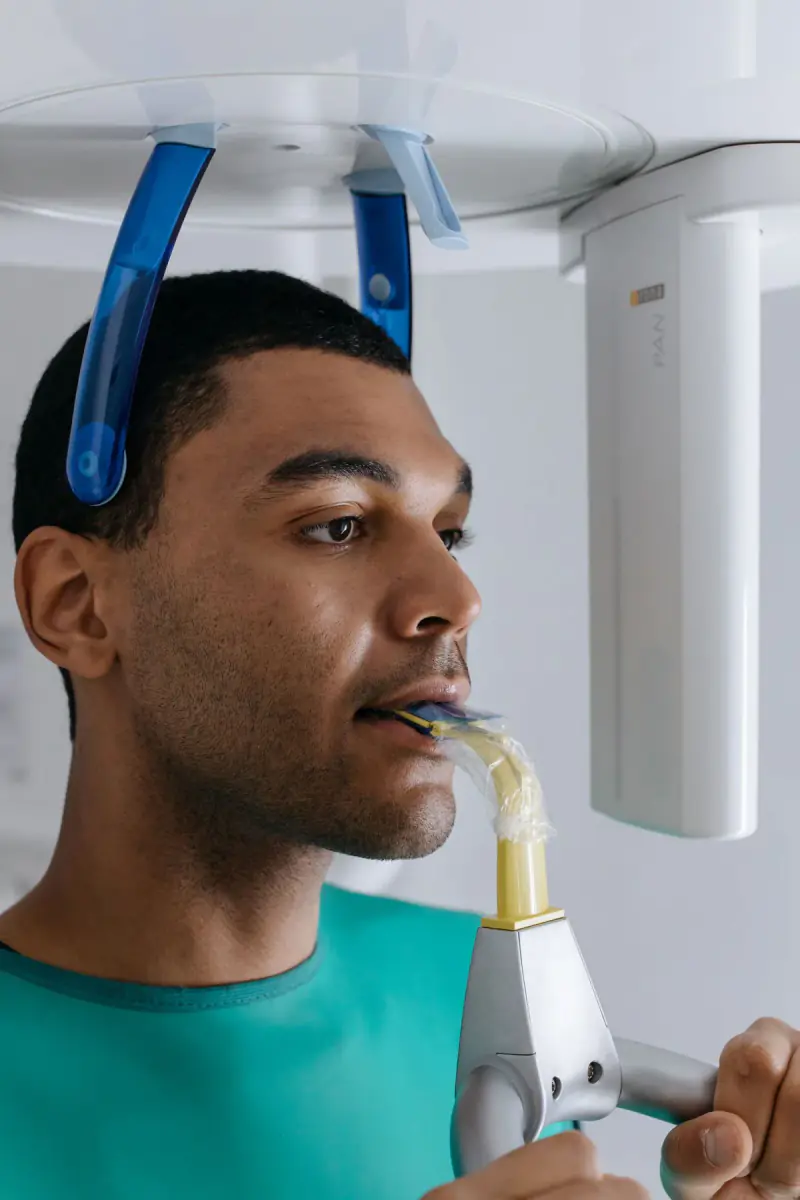
Understanding the dental panoramic X-ray: what this two-dimensional image really shows, how it differs from a periapical film and a Cone Beam, how the question of radiation dose is handled, and what it does not provide.
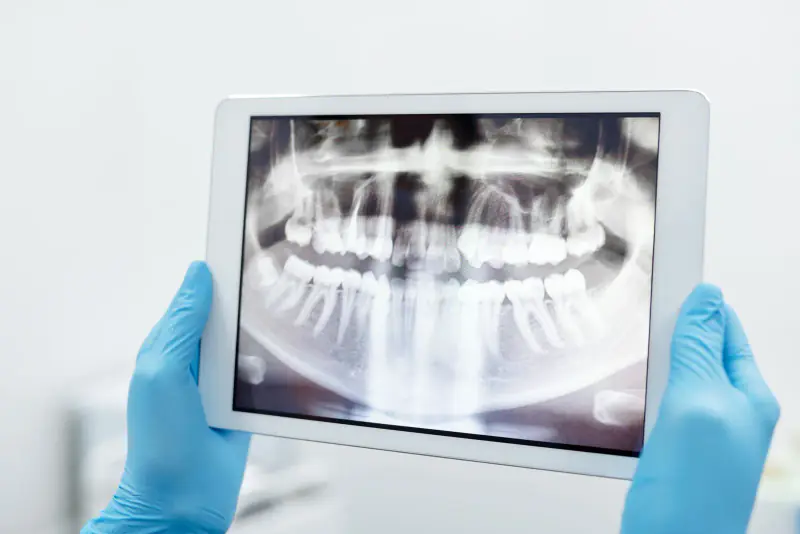
Every visit to your dentist creates useful information: X-rays, photos, a treatment plan, care notes. The digital patient record brings it all together in one secure place. Here is what it contains, how your data is protected in Morocco, and the rights you have over your own record.
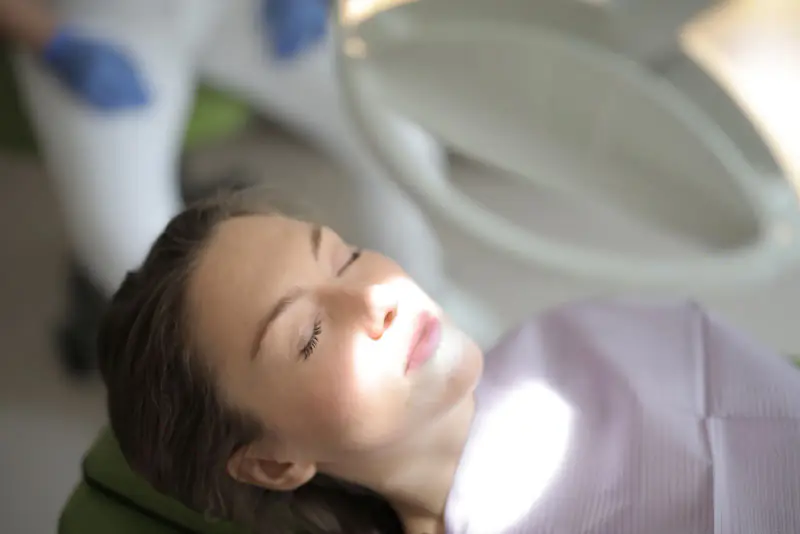
What conscious sedation with MEOPA (a nitrous oxide/oxygen mixture) actually is, who it is intended for, how a session unfolds, its contraindications and, above all, what it does not do: it is not general anesthesia.
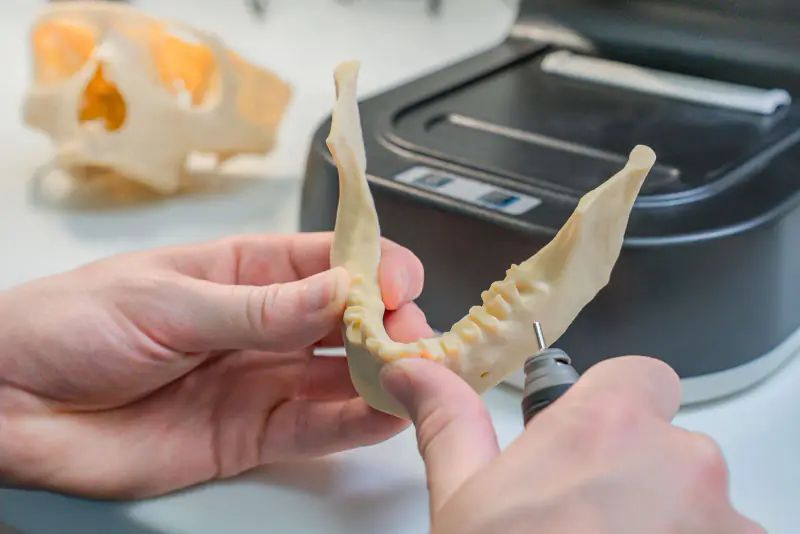
What 3D printing can really produce in dentistry — guides, splints, models, temporaries —, what the literature says about its accuracy, and what it does not replace.
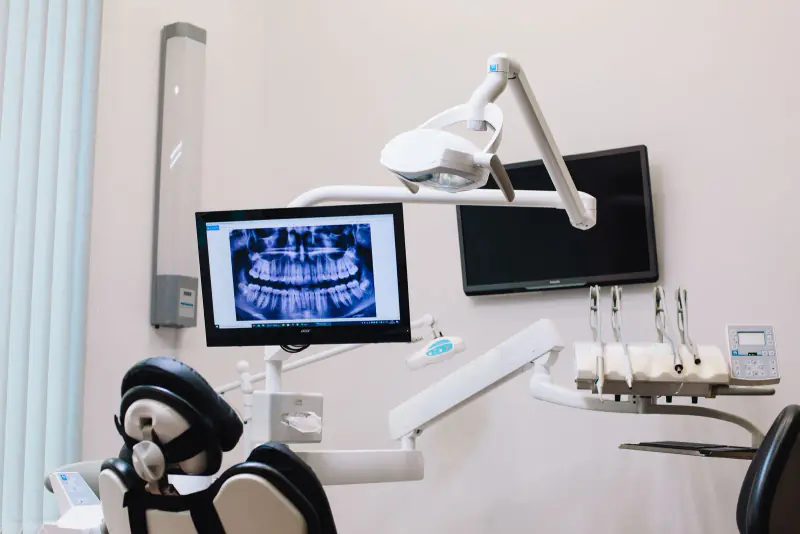
Artificial intelligence software analyzes your X-rays to flag cavities, lesions and bone loss. A “second look” that makes early detection more reliable — without ever replacing the clinician's judgment.
The dental laser is appealing for treating the gums: less pain, antibacterial action, healing. But the evidence is nuanced: a possible adjunct, never a replacement for scaling and root planing.
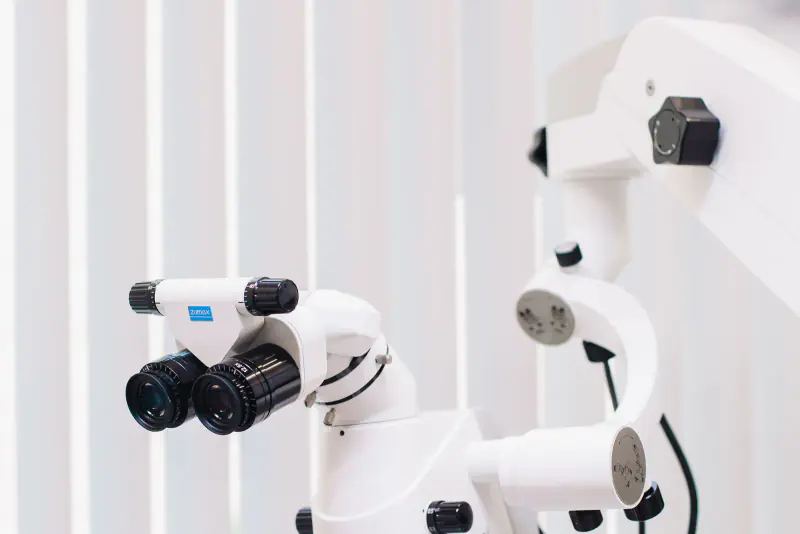
Understanding magnification in dentistry: what loupes and the operating microscope bring to the precision of care, particularly in endodontics, and what they do not.
Understanding digital dental X-rays: sensors that replace film, an image on screen within seconds, a lower radiation dose, easier follow-up, and what this technology does not provide.
What Digital Smile Design is, how it lets you visualize and decide on your future smile together before any treatment, and why a simulation remains a projection, not a guarantee of the final result.
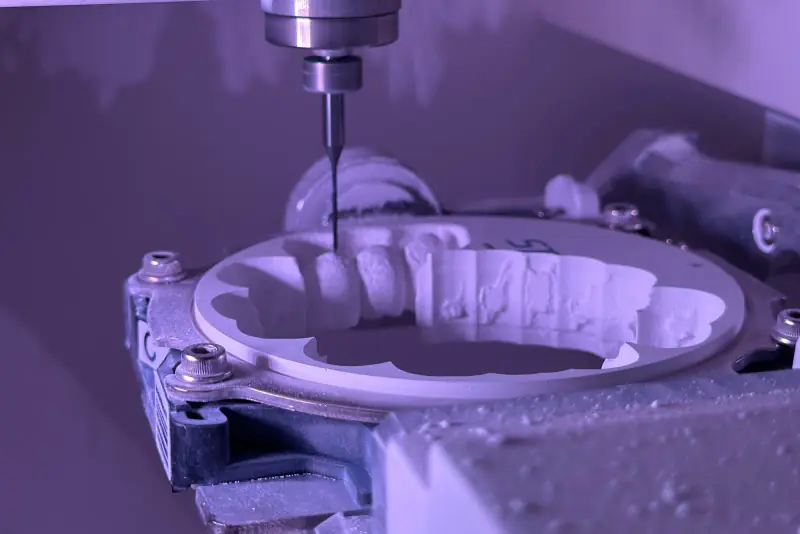
Zirconia implants as a metal-free alternative to titanium, and 3D-printed resins for definitive restorations: what the literature actually shows, with clinical follow-up that is still limited and limitations we name openly.
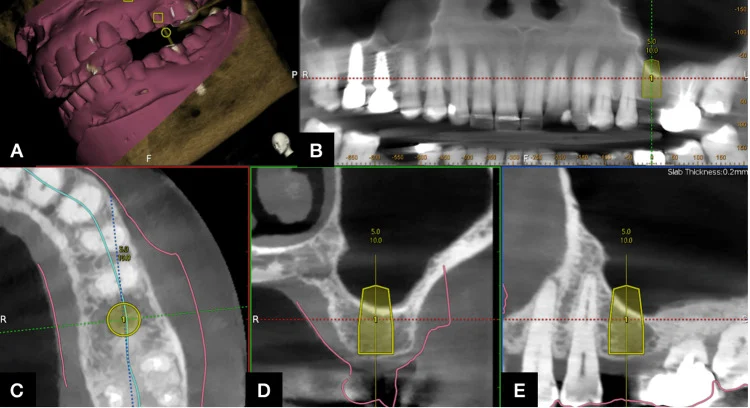
What navigated surgery really is — real-time on-screen guidance, comparable to a GPS — how it differs from static guided surgery, what the literature says about its accuracy, and where its limits lie, without over-promising.
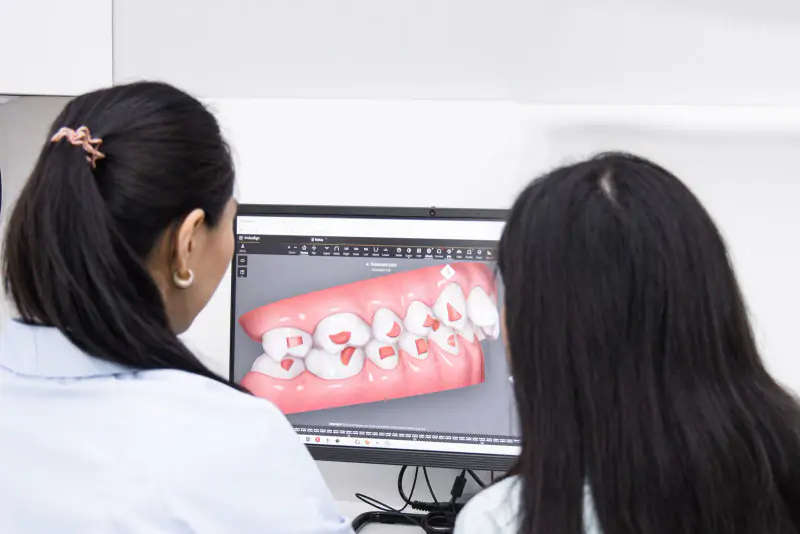
What a fully digital workflow means in dentistry — merging the intraoral scan, the facial scan and the CBCT into a single 3D model, the patient’s “digital twin” — and what the literature says about its promises and its limits, without overpromising.
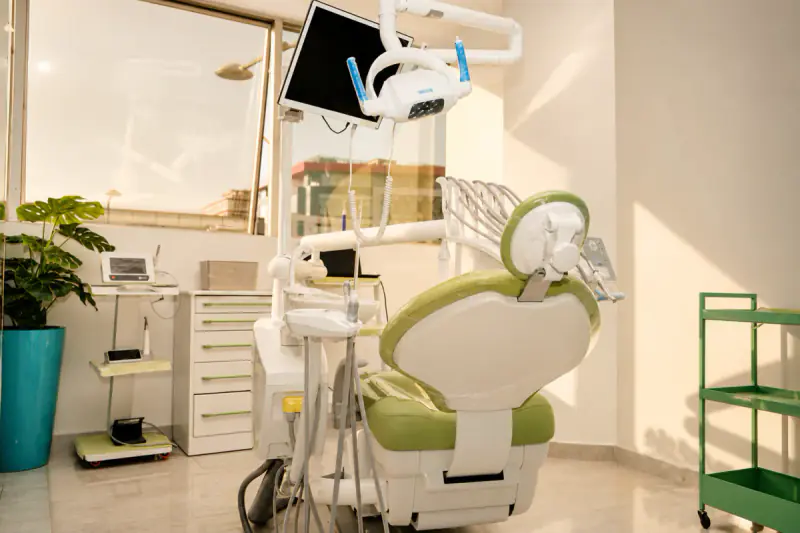
What an intraoral camera is, how it helps you see and understand the inside of your mouth, what it contributes to treatment decisions, and what it does not replace.
Zirconia is a very strong ceramic that replaces the metal under a crown: an honest, sourced look at the esthetics, strength, biocompatibility and real limits of the metal-free crown.
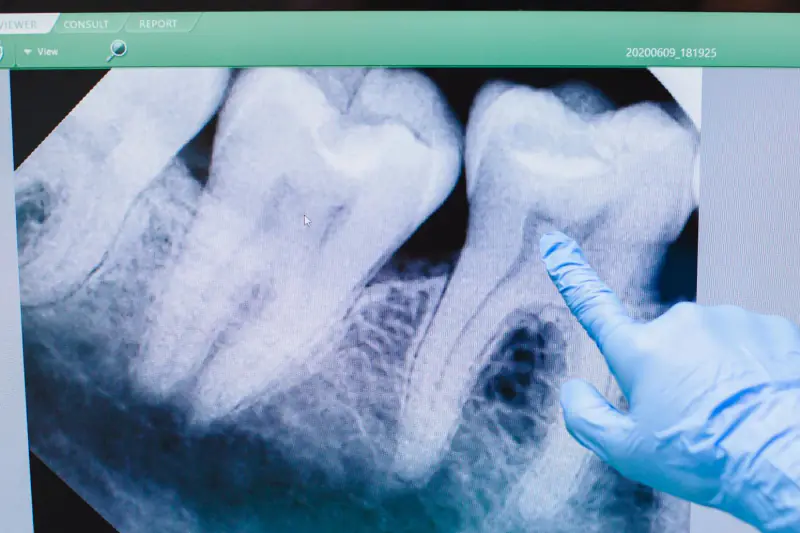
Having had periodontitis does not rule out an implant. But it is a recognized risk factor for peri-implantitis, calling for a mouth restored to health and lifelong follow-up.
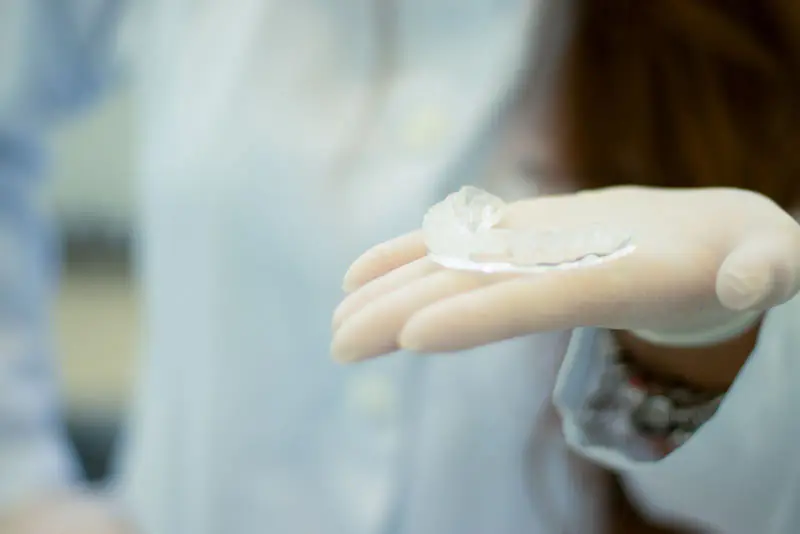
What bruxism really is, why the international consensus does not consider it a disease in an otherwise healthy person, and what an occlusal splint actually protects.
When to take your child to the dentist for the first time, why this early visit is useful, how to prepare your child without passing on your own fears, and what happens during the appointment.
Routine scaling removes visible tartar; root planing cleans the root surfaces beneath the gums. Two different procedures, explained without overpromising.
Tooth decay isn't just for children: in adults, it can be caught early and treated step by step, from remineralization to composite, without any drama.
When the gum pulls back and exposes the root: what a recession means, what causes it, what it risks, and what mucogingival surgery can, or cannot, cover.
Once periodontitis has been treated, regular maintenance is what determines the long-term result. What a well-run supportive therapy program involves, how often to come in, and what the evidence shows.
When is a crown truly indicated, which material should you choose, and how long does it last? A clear, well-sourced overview — with no promises about longevity.
How teeth whitening works, what it can and cannot do, its side effects, and the framework that makes it a procedure carried out under the care of a dental surgeon.
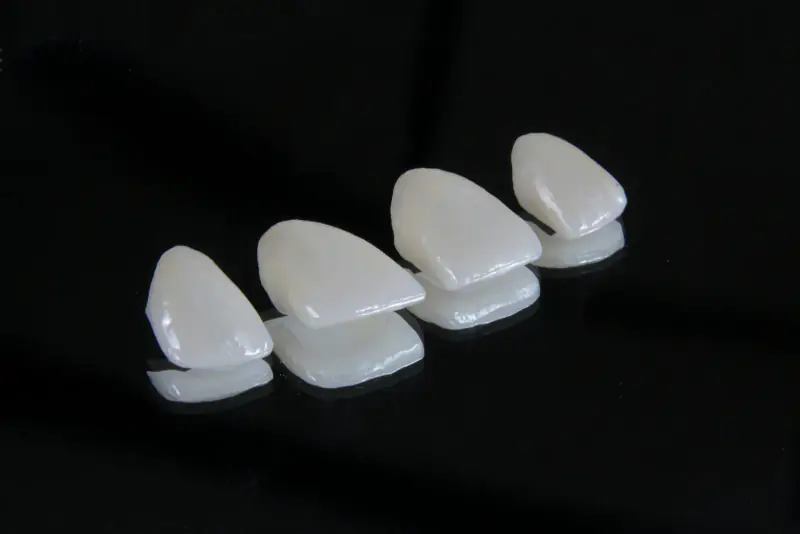
Understanding ceramic veneers: what they really correct, why the preparation is partly irreversible, how long they last, and the more conservative alternatives.
Titanium is not “rejected” the way a transplanted organ is. What biocompatibility, rare hypersensitivity and implant failure really involve.
Understanding fixed full-arch rehabilitation on 4 to 6 implants (All-on-4 / All-on-6): how it works, indications, treatment steps, upkeep, survival data and honest limits.
Immediate or delayed loading: what actually changes, the conditions that must be met, and what the literature says about comparative survival — without the "tooth in 24 hours" promise.
Orthodontics is not just for teenagers. In adults it aligns the teeth, prepares a prosthesis or an implant, and calls for lasting retention: the essentials, without overpromising.
From assessment to crown: understand each stage of implant placement, healing times, after-effects and limitations.
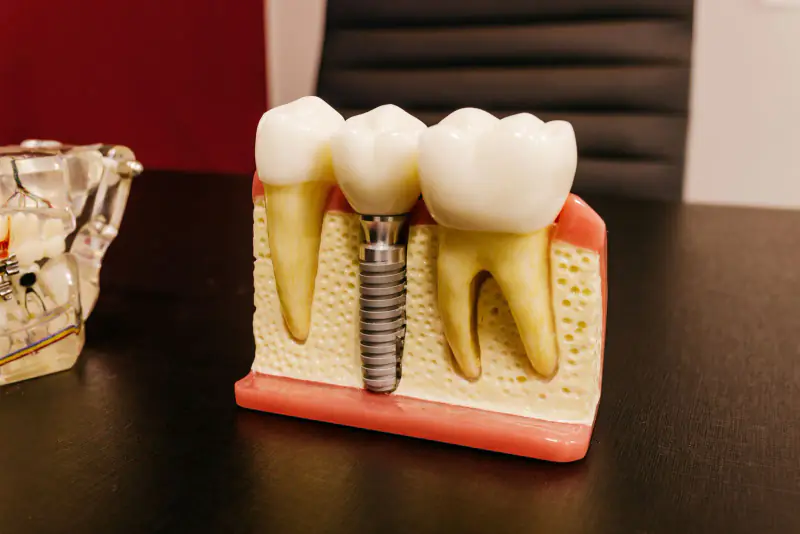
Why a bone graft is sometimes needed before an implant, how the procedure works and how bone heals, without overstated promises.
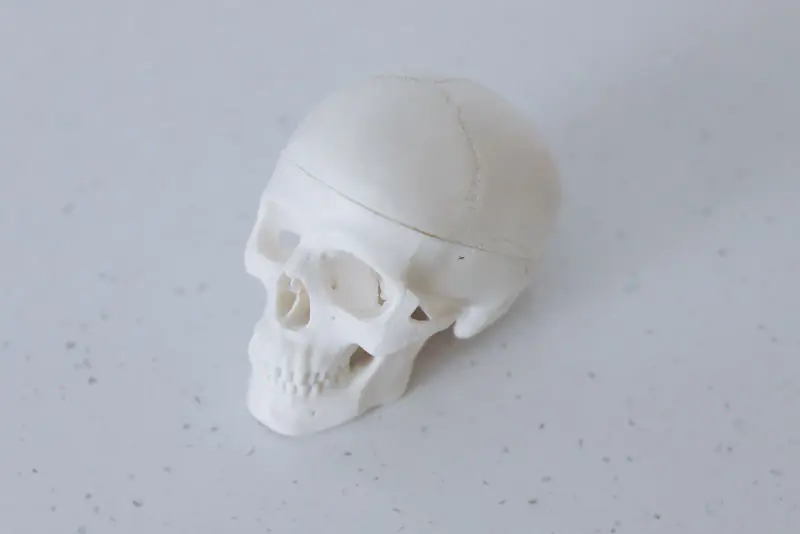
Why and how the sinus floor is raised so an implant can be placed in the upper back jaw, along with the limits and contraindications of the procedure.
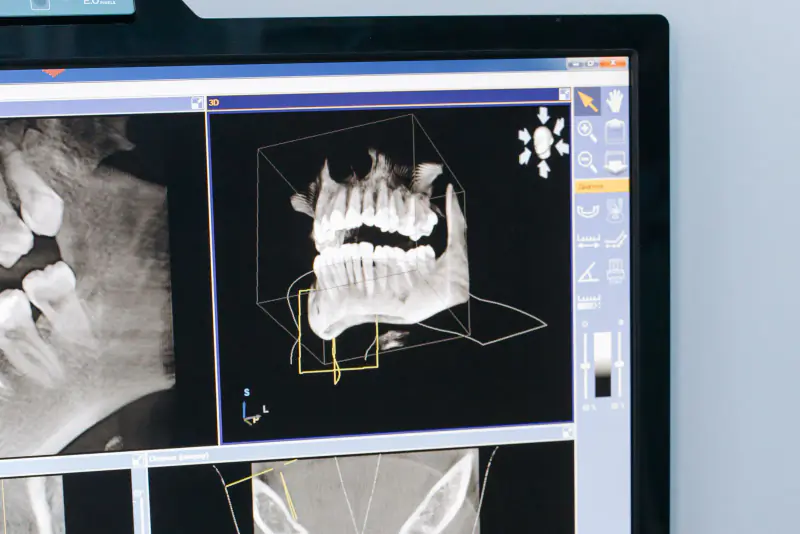
Not enough bone for an implant? Bone grafts, sinus lift, short or angled implants: the solutions and their limits, explained plainly.
Bleeding, pus, an implant that moves: the warning signs of an implant in trouble, and the right moment to get it checked.

What to do right away for severe toothache, an abscess or dental trauma, and the signs that require urgent care.
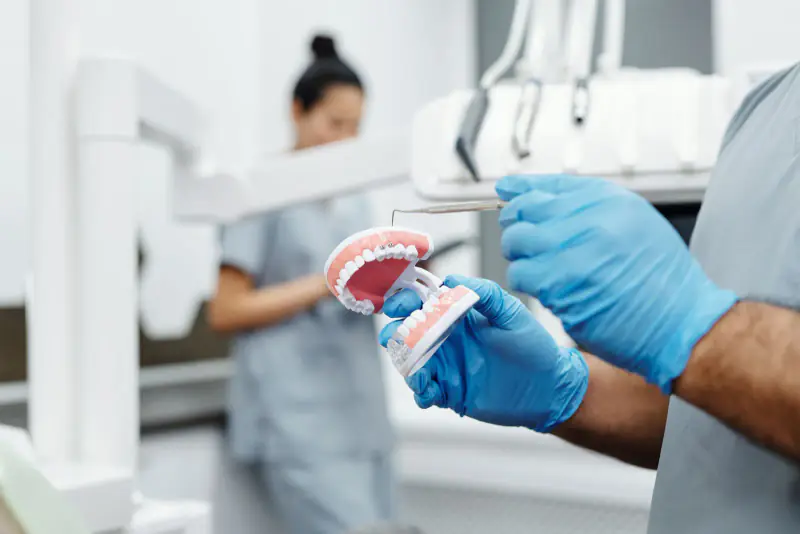
Gingivitis is reversible and limited to the gum; periodontitis reaches the supporting bone and stays irreversible. The clinical picture.
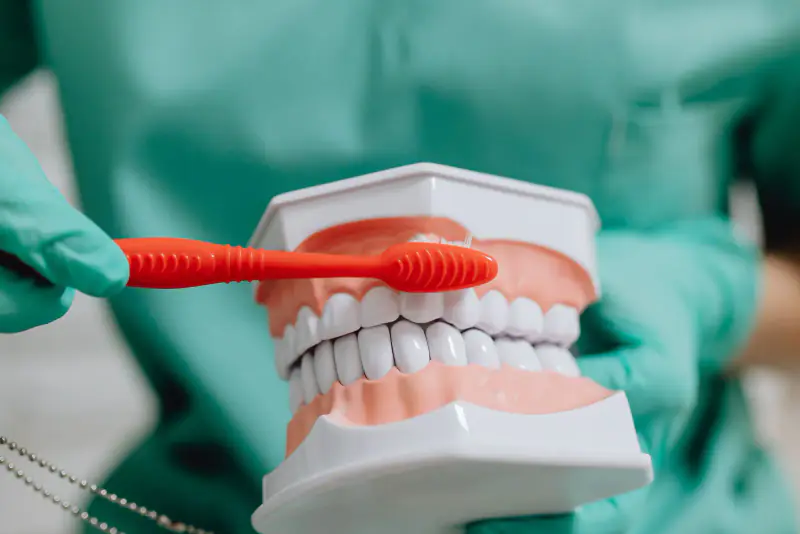
Why your gums bleed, what this sign means and when you should seek care.
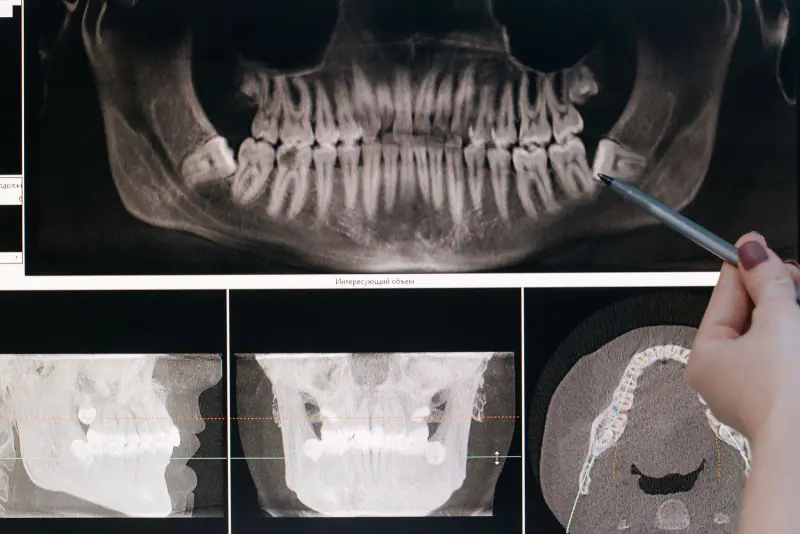
A wisdom tooth is not extracted as a matter of principle: the decision rests on a symptom or a pathology, not on its position alone.
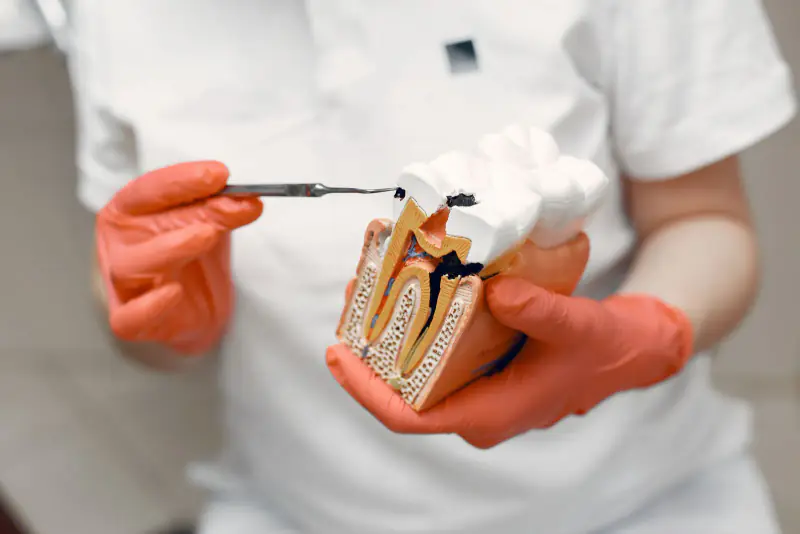
A root canal is done under local anesthesia and is no more painful than having a cavity treated: what to expect, and what should raise concern.
Preventing and treating cavities in children: fluoride by age, dental sealants, baby bottle tooth decay and the first visit, without alarmism.

Why a tooth reacts to cold or heat, how to relieve that sensitivity, and when pain is hiding something else.
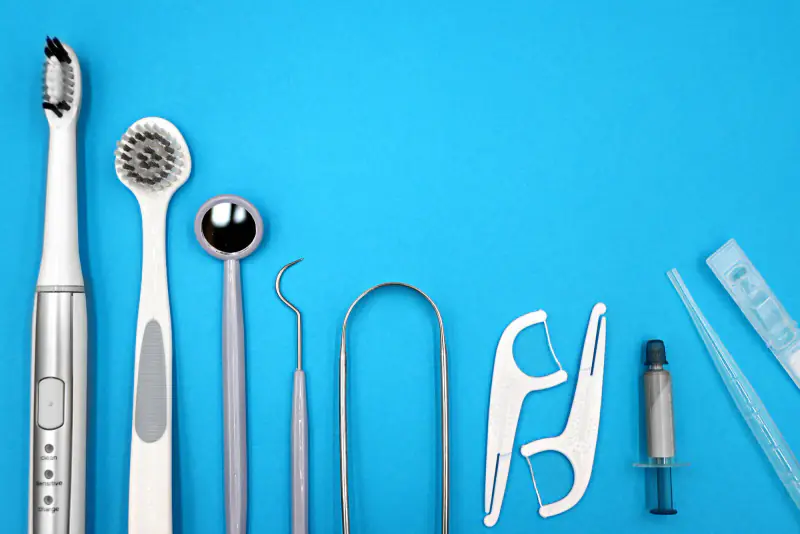
Understanding where bad breath comes from: the mouth in the vast majority of cases, more rarely an ENT or digestive cause.

Brushing, interdental cleaning, fluoride and scaling: a simple method and the recommended frequency for looking after your teeth every day.
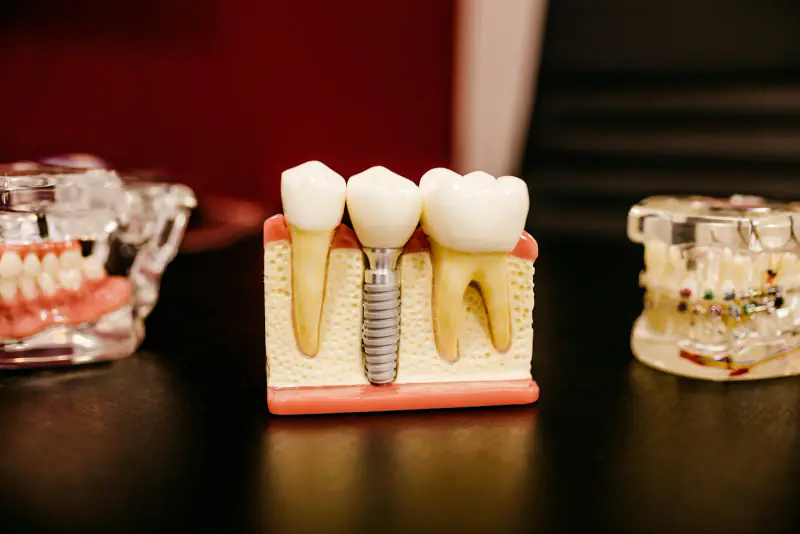
Implant, bridge or denture: a comparison by clinical criterion, with no commercial hierarchy and no prices, to decide together with your practitioner.
A Morocco price reference, what a complete implant includes, and the factors that change a quote, from grafting to imaging and restoration.
No articles match your search.