Scaling in Kénitra
Scaling removes tartar, the hardened plaque that a toothbrush can no longer remove. At Dr Fatima Azelmat's practice in Kénitra, it is carried out after an examination of the teeth and gums. That examination shows whether scaling is enough or whether the gums need a different treatment.
The assessment does not commit you to any treatment. It helps you understand first, then decide.
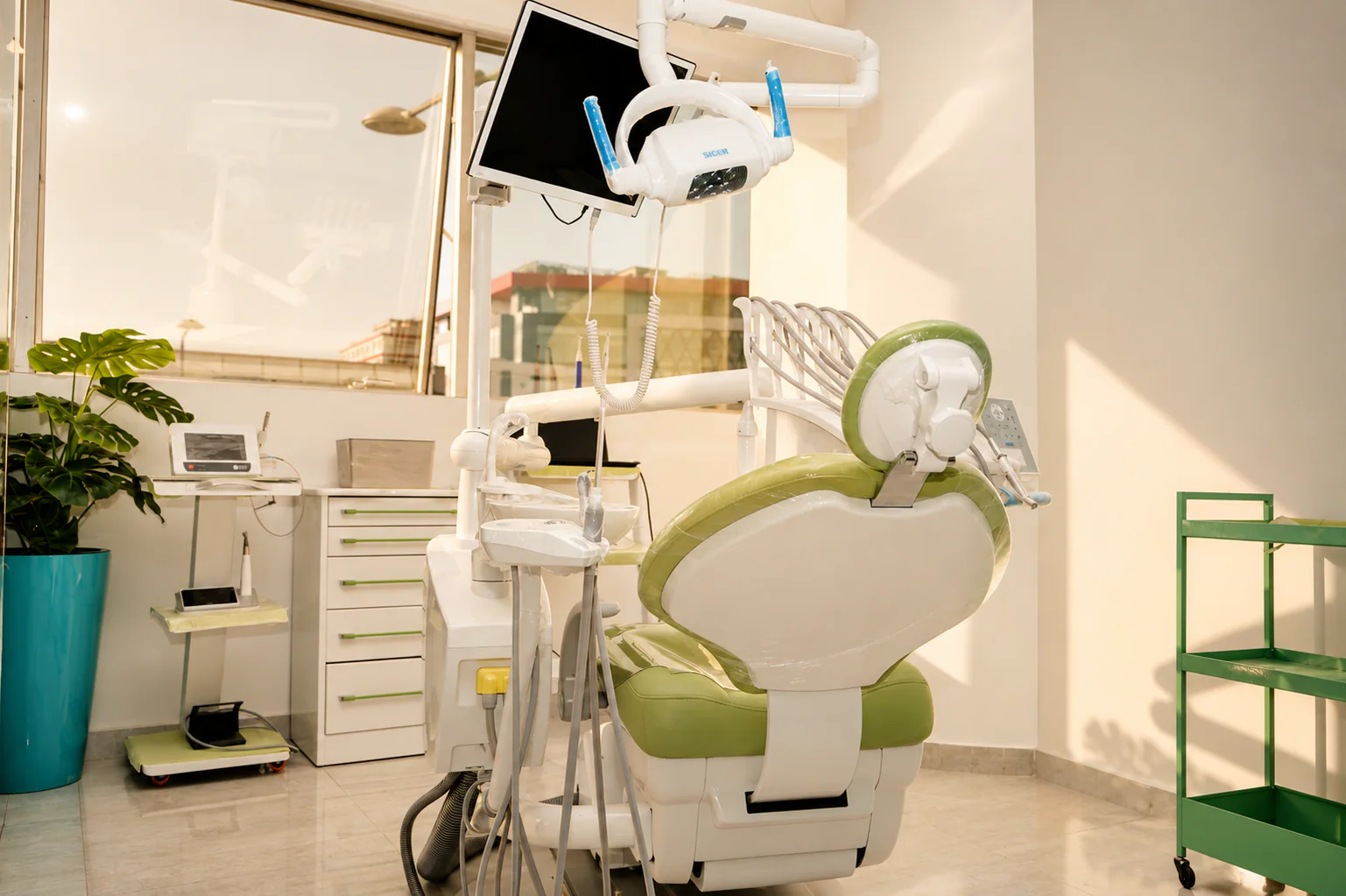
Reviewed by Dr Fatima AzelmatClinical review dated
Scaling in Kénitra
At Dr Fatima Azelmat’s practice in Kénitra, scaling is listed at 400 DH, as an indicative fee. The consultation / initial assessment is listed at 150 DH: these are two separate procedures. The 400 DH fee covers routine scaling, above the gum and along its edge. Cleaning beneath the gum, called root planing, is a different procedure, listed at 450–900 DH per session. Ask before treatment which procedures are planned and what they cost.
- Clinical examinationTeeth and gums examined before scaling
- ImagingAn X-ray when it is useful to see the bone
- Treatment planPlanned procedures, cost and follow-up interval given before treatment
What you need to know
What is scaling?
Dental plaque is a soft deposit that forms on the teeth every day. When it is not removed, it hardens and becomes tartar. A toothbrush can no longer remove it: only a cleaning at the practice can. Scaling is that cleaning. It removes tartar from the visible part of the tooth and along the edge of the gum.
When should you ask for scaling?
Tartar builds up mostly along the gum. Its rough surface holds plaque, and the gum can become inflamed: this is gingivitis. A few signs are worth mentioning:
- gums that are red, swollen or that bleed when you brush;
- a yellowish or brownish deposit along the edge of the gum, often behind the lower teeth;
- bad breath that persists despite brushing.
These signs alone do not show which treatment is needed. The guide Bleeding gums: causes and what to do helps you prepare your questions.
First, an examination of the teeth and gums
Before scaling, the teeth and gums are examined. The amount of tartar, the condition of the gums and the way you brush are checked. An X-ray is taken when it is useful: it shows the bone around the teeth, which the eye cannot see. This examination shows whether scaling is enough, or whether the gums need a different treatment.
The process, step by step
- Examination. The teeth and gums are examined. The planned procedures and their cost are given to you before starting.
- Ultrasonic cleaning. An ultrasonic instrument loosens the tartar by vibration, with a water spray.
- Finishing. Hand instruments finish the areas the ultrasonic instrument does not reach well. The work is done tooth by tooth.
- Polishing. The teeth are then polished.
- Follow-up. You are told how often to come back for a check-up.
Routine scaling is often done in a single session.
Scaling or root planing?
Scaling cleans the visible part of the tooth and the edge of the gum. When a gum disease called periodontitis has opened a space between the gum and the tooth, tartar settles beneath the gum, on the root. Cleaning is then done beneath the gum, under local anesthesia: this is root planing. It often takes several sessions, quadrant by quadrant, that is, one area of the mouth after another. It is no longer the same procedure, and repeated scaling does not replace it.
The guide Scaling and root planing explains the difference. The page on periodontics in Kénitra presents gum care at the practice.
How often?
There is no single interval for everyone. For a low-risk adult, a check-up and a scaling about once a year is a common baseline. Closer follow-up is justified when tartar forms quickly or when there is gum disease. Your interval is given to you after the examination.
Limits and possible effects
Routine scaling is generally well tolerated. It can cause temporary sensitivity and slight bleeding, especially if the gums are already inflamed. Comfort varies from one person to another, and a local anesthetic can be offered if necessary. Discomfort that lasts should be reported to the practice.
Scaling is not whitening: it removes tartar and does not change the natural shade of the teeth. It does not replace brushing and cleaning between the teeth either, because plaque forms again every day. The guide Daily dental hygiene describes these habits.
Cost of scaling in Kénitra
Scaling has its own listed fee. The other procedures are not systematic: each has its own line. Air polishing is a cleaning with a jet of powder.
| Service | Indicative fee (DH) |
|---|---|
| Consultation and assessment | 150 |
| Scaling | 400 |
| Air polishing / advanced cleaning | 300 |
| Fluoride application | 200 |
| Root planing (per session) | 450–900 |
Indicative fees. The planned procedures and their cost are presented to you before starting. See also our fees and the guide on the price of scaling in Morocco.
Comparing two quotes
Check that both quotes describe the same thing: routine scaling, or gum treatment over several sessions. The two cannot be compared. Ask whether the consultation and the X-rays are charged separately.
At Dr Fatima Azelmat’s practice
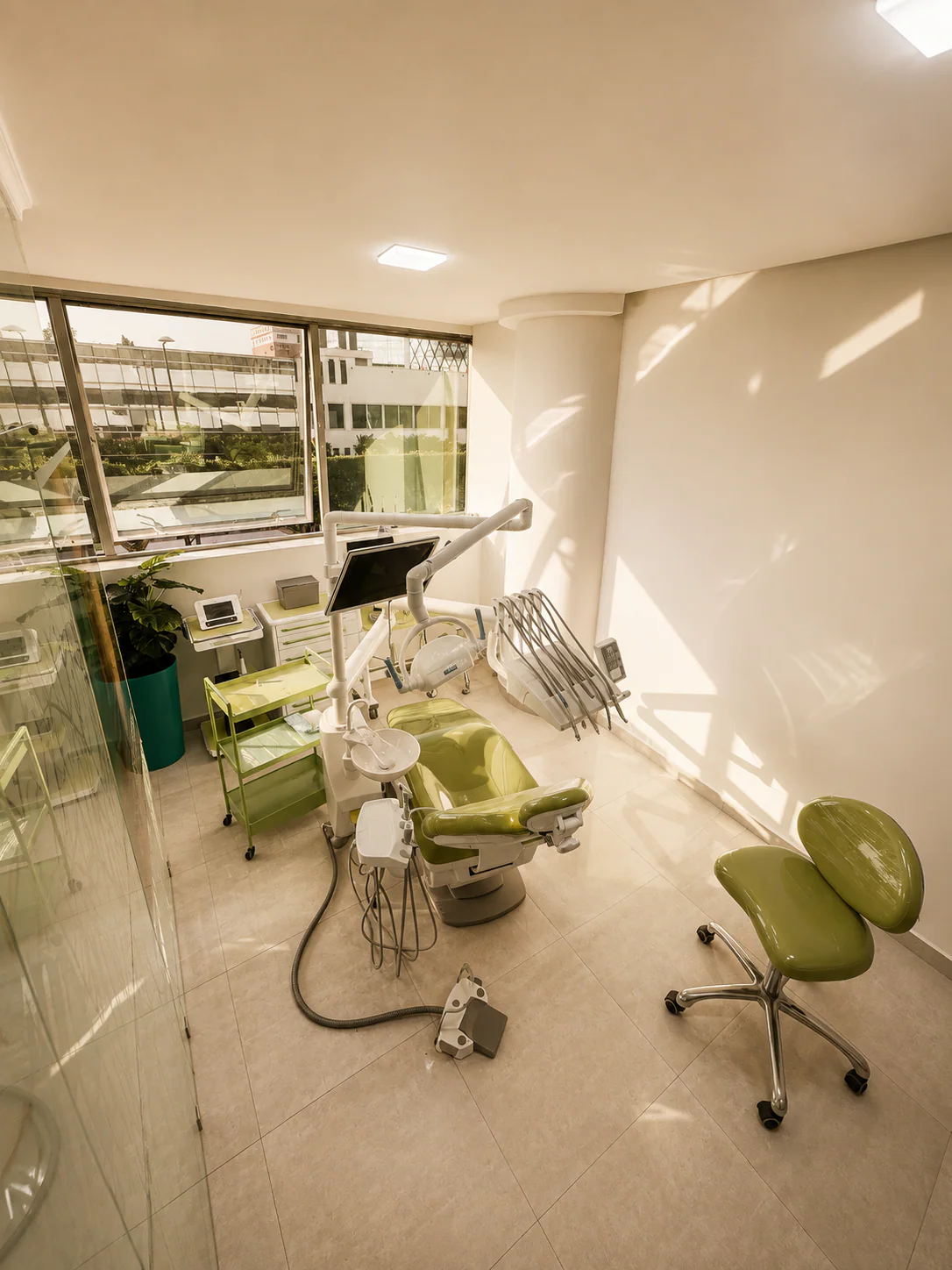
The practice is on Avenue Mohamed V, in the city centre of Kénitra. It sees adults and children. The assessment comes first, then a written plan with its cost if treatment is considered. Saying that scaling is not needed for now is also part of the assessment.
You can call the practice, write on WhatsApp or use the appointment page. For general guidance, see the NHS page on keeping your teeth clean. See the practice’s indicative fees and the dental assessment in Kénitra page to prepare your questions.
Frequently asked questions
Does scaling hurt?
Scaling of the visible surfaces is generally well tolerated. It can cause temporary sensitivity and slight bleeding, especially if the gums are already inflamed. Comfort varies from one person to another, and a local anesthetic can be offered if necessary.
How often should scaling be repeated?
There is no single interval for everyone. For a low-risk adult, about once a year is a common baseline. Follow-up is closer when there is gum disease or when tartar forms quickly. Your interval is given to you after the examination.
What is the difference between scaling and root planing?
Scaling removes visible tartar, above the gum and along its edge. Root planing cleans the roots beneath the gum, under local anesthesia, to treat periodontitis. They are not the same procedure: the gum examination shows which one is indicated.
Does scaling make teeth whiter?
No. Scaling removes tartar. It does not change the natural shade of the teeth. Whitening is a different treatment, discussed separately.
Does scaling damage the enamel?
Carried out correctly, scaling does not damage the enamel. Temporary sensitivity is possible afterwards, particularly when the root was already partially exposed. It most often eases on its own.
What does scaling cost in Kénitra?
At Dr Fatima Azelmat’s practice, scaling is listed at 400 DH, as an indicative fee. The consultation / initial assessment is listed at 150 DH: these are two separate procedures. Root planing, when it is indicated, is listed at 450–900 DH per session.
Read on the blog
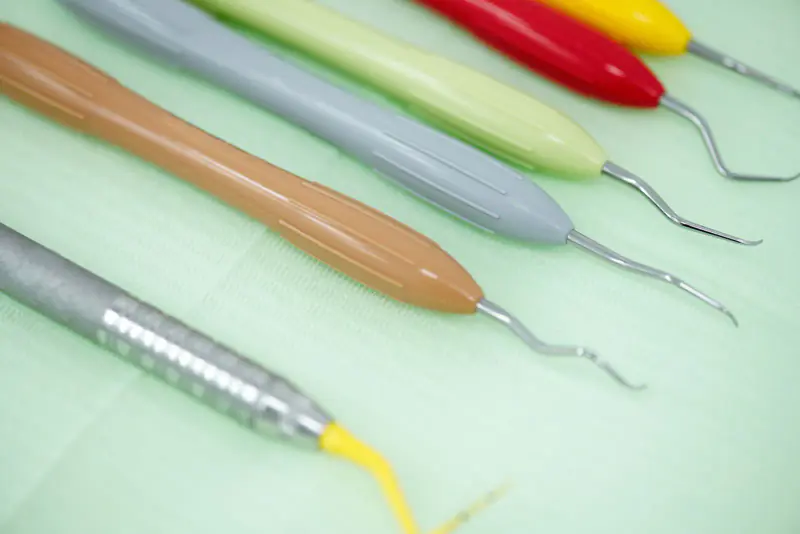
Scaling and Root Planing: Treating Periodontitis
Routine scaling removes visible tartar; root planing cleans the root surfaces beneath the gums. Two different procedures, explained without overpromising.
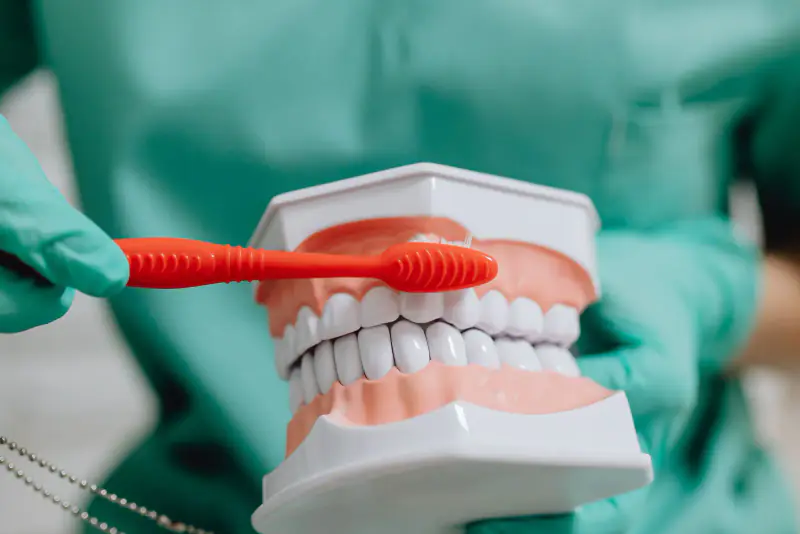
Bleeding Gums: Causes and What to Do
Why your gums bleed, what this sign means and when you should seek care.
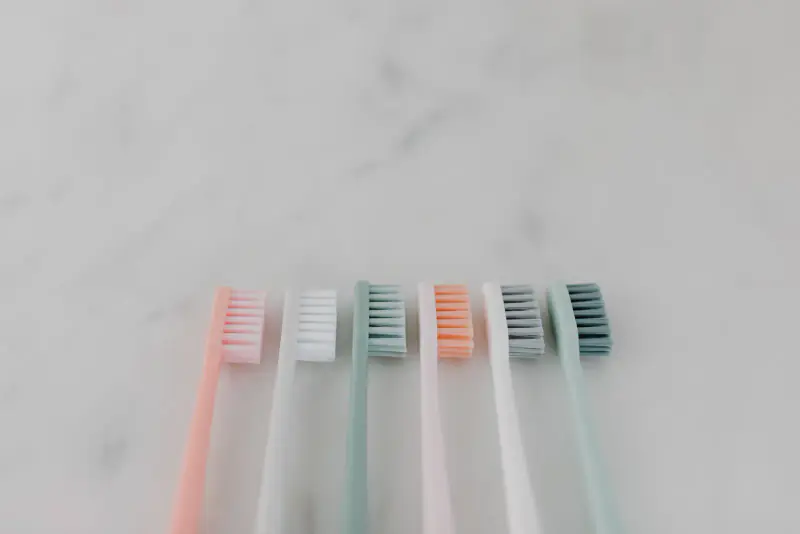
Daily Dental Hygiene: Method and Frequency
Brushing, interdental cleaning, fluoride and scaling: a simple method and the recommended frequency for looking after your teeth every day.
Schedule an assessment
The assessment does not commit you to any treatment. It helps you understand first, then decide.