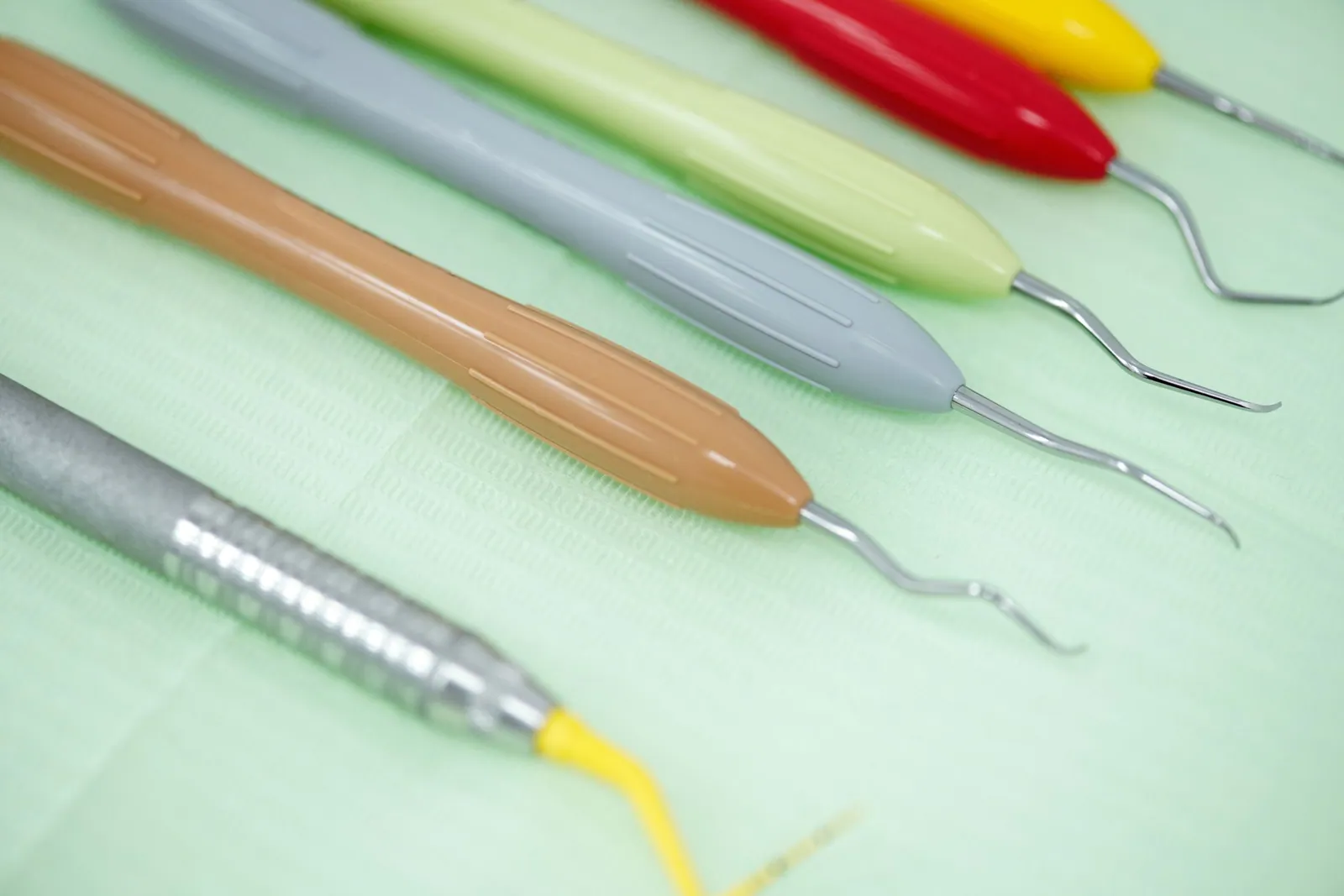
We often hear “scaling” spoken of as if it were a single procedure. In reality, two very different treatments hide behind similar-sounding words. Routine scaling removes visible tartar above the gumline: it is a preventive treatment. Root planing — also called subgingival scaling or periodontal debridement — cleans the root surfaces beneath the gums, inside the periodontal pockets: it is a genuine treatment for periodontitis, not simply a more thorough cleaning. Confusing the two leads people either to underestimate the disease or, conversely, to worry needlessly about a routine procedure.
As a dental surgeon in Kenitra, I would like to offer a clear, well-sourced overview: what distinguishes supragingival scaling from root planing, where the latter fits within the periodontitis treatment plan recommended by the European Federation of Periodontology (EFP), what actually happens during a session, what you can expect in terms of aftereffects and results, and why the maintenance that follows matters just as much as the procedure itself. Every clinical statement is linked to a verifiable source, and the benefits are presented as probabilities — never as a guarantee.
Scaling and root planing: what is the difference?
The difference lies not in the name of the instrument, but in where the work is done and what it aims to achieve.
Supragingival scaling: a routine treatment
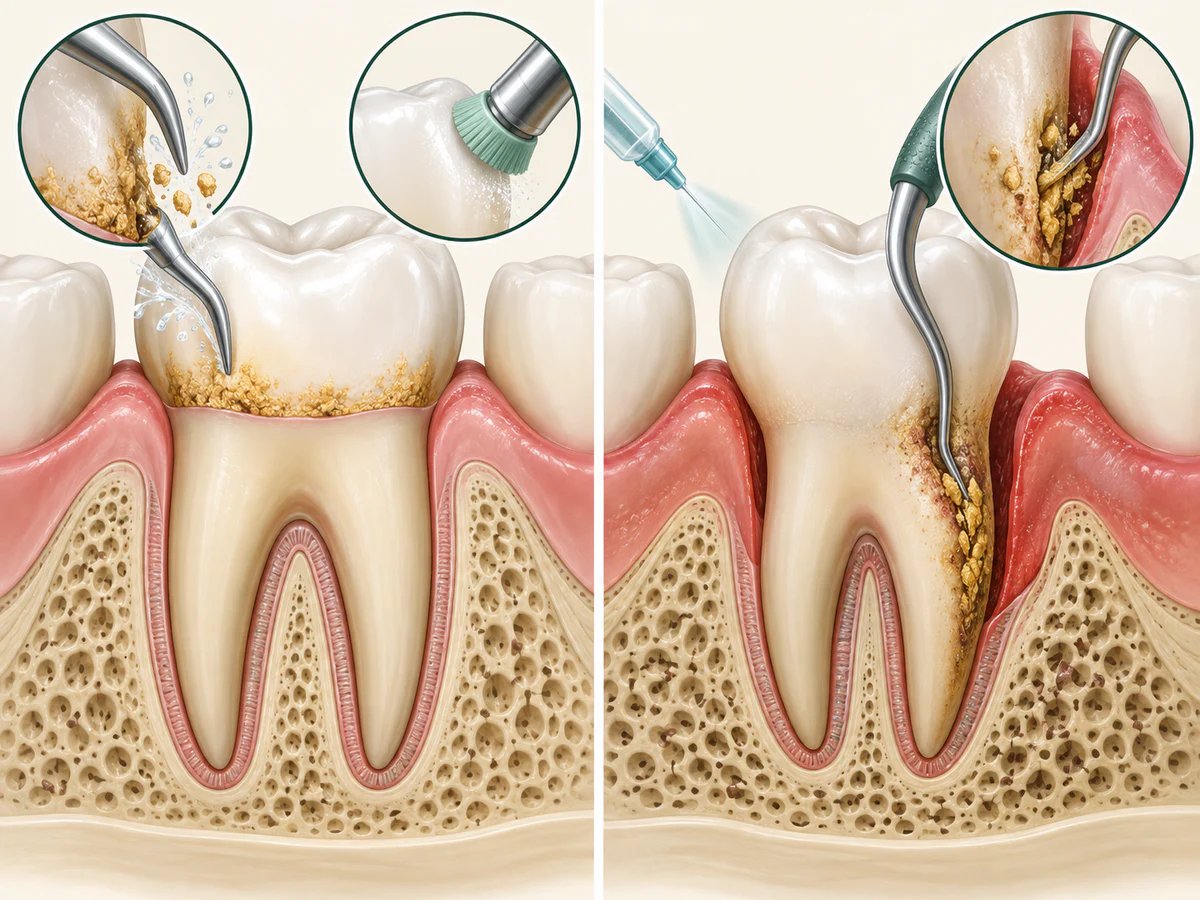
Conventional scaling removes the plaque and tartar that build up on the teeth above the gumline and in the spaces between teeth. According to France’s national health insurance service (ameli.fr), it is generally performed with ultrasonic instruments, followed by polishing of the teeth, and can be completed in a single session. It is a prophylactic procedure: it removes visible tartar where brushing is no longer enough, and it prevents or treats gingivitis. On its own, it does not treat established periodontitis, because it cannot reach the tartar lodged deep beneath the gums.
Root planing: treatment beneath the gumline
Root planing is a deep scaling procedure that removes tartar located beneath the gums, on the root surfaces, to help the gum reattach to the tooth — again according to ameli.fr. The modern term used in the guidelines is “subgingival instrumentation” or “periodontal debridement.” The goal today is no longer to aggressively plane away the root cementum, as the historical term “planing” might suggest: the objective is to disrupt and remove the bacterial biofilm and subgingival tartar, rather than to smooth the tissue at all costs.
The distinction is therefore essential. Routine scaling is intended for a healthy mouth or for gingivitis; root planing is intended for periodontitis — a condition that has already created pockets and affected the supporting bone. The boundary between these two diseases is explained in detail in our article on periodontitis or gingivitis: understanding the difference.
Where does root planing fit in the treatment of periodontitis?
Root planing is not an isolated procedure: it is part of a step-by-step approach. In 2020, the European Federation of Periodontology (EFP) published in the Journal of Clinical Periodontology (an S3-level clinical practice guideline, Sanz et al.) a treatment guide for stage I to III periodontitis structured in four successive steps.
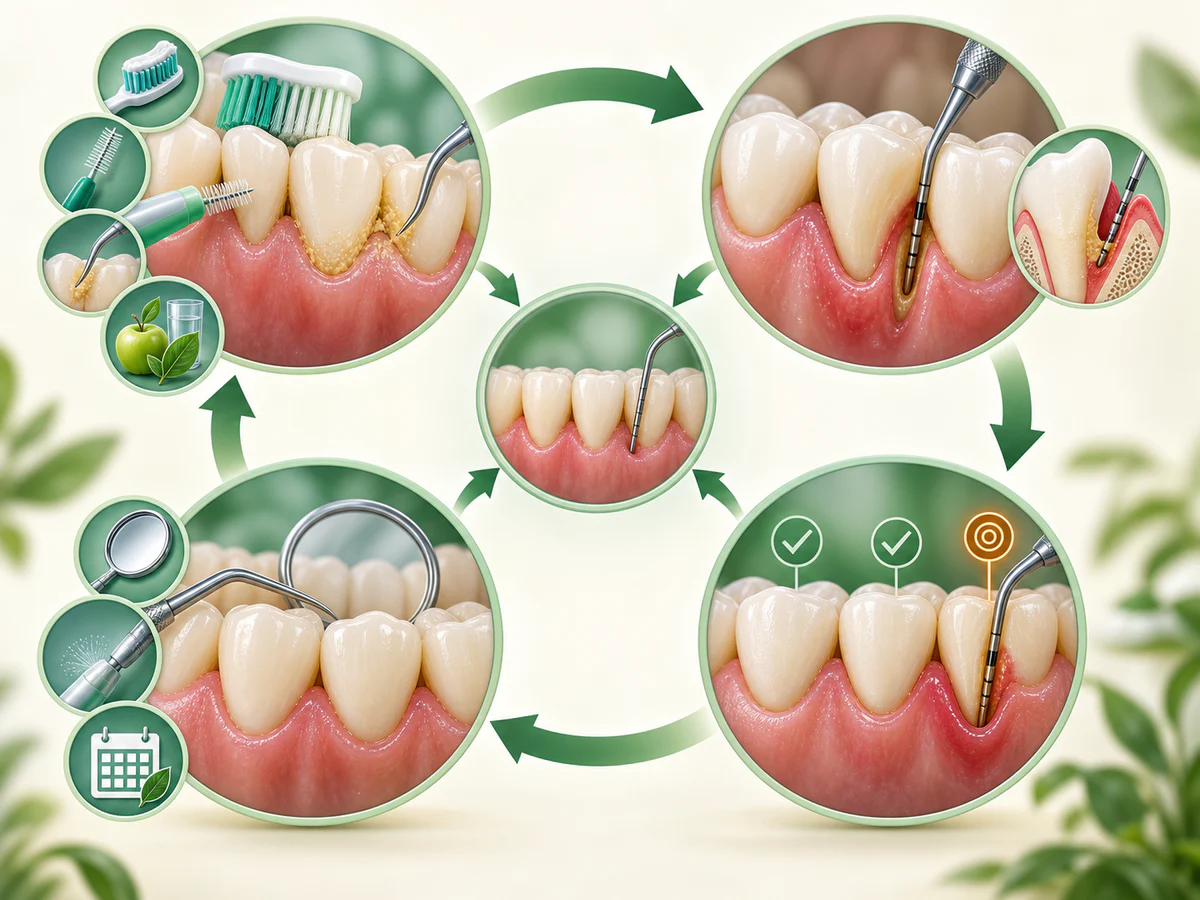
- Step 1 — controlling the biofilm and risk factors. Motivation and oral hygiene instruction, brushing and interdental cleaning, removal of supragingival tartar (professional scaling), and management of risk factors such as smoking and diabetes.
- Step 2 — subgingival instrumentation. This is where root planing / subgingival debridement comes in: cleaning the root surfaces beneath the gums. According to the EFP, this step applies to all patients with periodontitis, but only on teeth showing loss of support and/or periodontal pockets.
- Step 3 — treating residual pockets. When deep pockets persist after reassessment, periodontal surgery may be offered in selected cases.
- Step 4 — supportive periodontal therapy (maintenance). Regular follow-up, essential for keeping the result stable over time.
Steps 1 and 2 together make up what is known as non-surgical periodontal treatment. Root planing is at its core. But it cannot be considered without step 1: without good oral hygiene and without smoking control, the benefit of the subgingival procedure fades quickly. That is why daily dental hygiene is a condition for success, not just a comfort tip.
What happens during a root planing session?
The exact course depends on the extent of the lesions, but a few principles remain constant.
Local anesthesia and treatment by sections
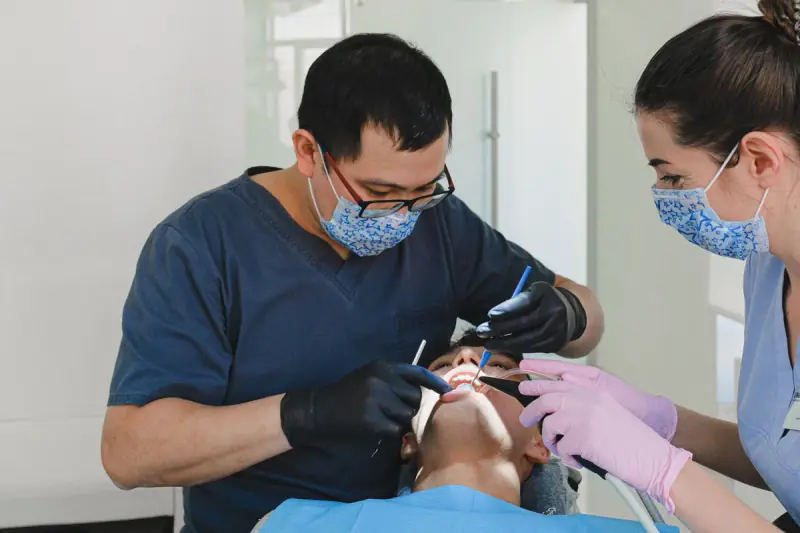
Unlike routine scaling, root planing works inside the pockets, on roots exposed on probing. According to ameli.fr, it is performed under local anesthesia, using hand curettes or ultrasonic instruments, in one or more sessions. The mouth is often divided into 6 or 4 segments (sextants or quadrants) so treatment can be staged, section by section. Local anesthesia makes the procedure comfortable during the session itself — which does not mean it will be entirely pain-free afterward: no treatment can be described as absolutely painless.
If you are afraid of the dentist or of blood
This is a common fear, and you can mention it from the first assessment. Several things help make the session easier:
- local anesthesia numbs the area before the cleaning begins;
- treatment can be split into shorter sessions, section by section;
- the bleeding comes from inflamed gums: it usually stays limited during the procedure, and it lessens as the inflammation settles.
If fear has kept you away from dental care for a long time, our article on conscious sedation and fear of the dentist explains this option, what it offers and its limits.
Hand or ultrasonic instruments: a choice that makes little difference to the result
The practitioner has two families of instruments available: hand curettes and ultrasonic tips (ultrasonic instrumentation). At our practice, we use ultrasonic scaling and subgingival instrumentation depending on the configuration of the pockets. The systematic review by Suvan and colleagues (Journal of Clinical Periodontology, 2020), which formed the basis of the EFP guideline, compared these approaches: it found no significant difference between hand and ultrasonic instruments in pocket-depth reduction, nor between “full-mouth” treatment completed in one or two sessions and treatment carried out section by section. In other words, what counts is the quality of biofilm removal, more than the type of instrument or the scheduling of the sessions.
Reassessment
The procedure is not an end in itself: it is followed by a reassessment. The American Academy of Periodontology (AAP) notes that periodontal tissues need about four weeks to show the effect of non-surgical treatment. That is when the practitioner rechecks the pockets and the bleeding. According to the EFP guideline, the goal at the end of this phase is the absence of pockets of 4 mm or deeper that bleed on probing, and the absence of deep pockets of 6 mm or more. Pockets that do not respond may then move on to the next step.
Why does root planing take longer and cost more than a scaling?
The difference in time, and therefore in cost, comes from what each procedure involves. A routine scaling removes the visible tartar above the gumline, often in a single session. Root planing is a treatment in several stages:
- A periodontal examination before starting. Probing measures the depth of the pockets tooth by tooth, and the X-ray shows the bone level. This charting shows which roots need treatment.
- Cleaning beneath the gum, root by root. Each pocket is cleaned in depth, under local anesthesia, often section by section and over several sessions.
- A reassessment a few weeks later. The pockets and the bleeding are checked again, about four weeks after treatment, to decide what comes next.
The time needed therefore depends on how many teeth are affected and how deep the pockets are. At the practice, gum treatment is quoted on an individual basis after the assessment: the amount depends on the stage of the disease and how many areas need treating, and the procedures involved and their fees are presented to you before anything begins.
Repeating scalings does not replace this treatment once periodontitis is established: a scaling does not reach the tartar lodged in the pockets, which keeps the inflammation going.
What are the aftereffects of root planing?
It is important to be honest about the aftereffects, which are generally moderate but real.
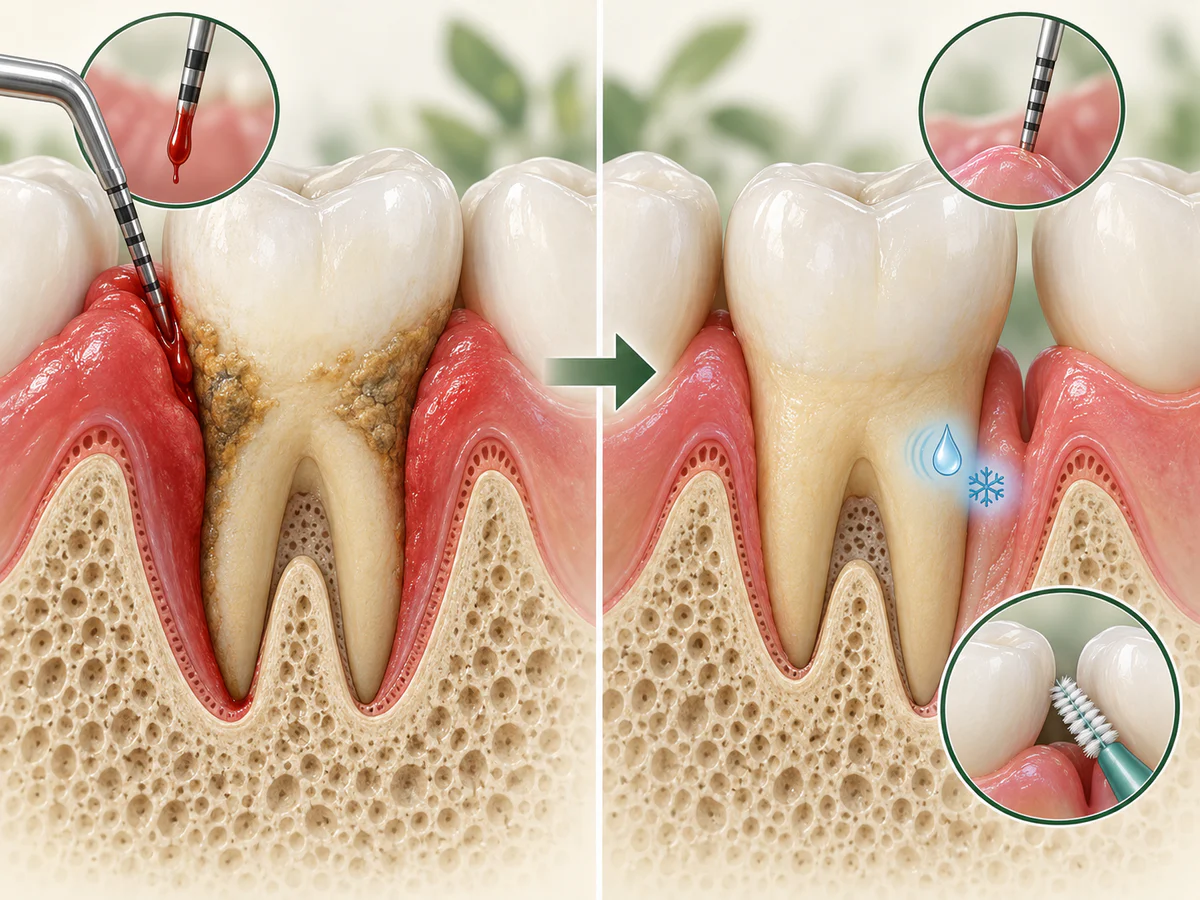
- Temporary tooth sensitivity, particularly to cold, is common: by cleaning the root and reducing inflammation, the treatment exposes surfaces that were previously covered by the inflamed gum. This sensitivity usually eases with time; our advice on tooth sensitivity to cold and heat can help you manage it.
- Gum recession may appear or become visible: as inflammation subsides, the swollen gum shrinks back and reveals part of the root. This is not a failure of the treatment, but a consequence of the healing of tissue that was diseased. Teeth may look “longer” and spaces may open up between them.
- Slight bleeding and discomfort in the hours following the session are possible, especially if the gums were very inflamed to begin with.
These aftereffects should be explained before the procedure, because gum recession in particular often takes patients by surprise. It reflects the repair of a diseased periodontium, not a deterioration.
How effective can you realistically expect it to be?
This is the most important question, and the one that calls for the most measured answer: the figures below are averages drawn from studies, not a promise for any individual mouth.
The systematic review by Suvan and colleagues (2020), which pooled randomized controlled trials, estimated that after subgingival instrumentation, the weighted mean reduction in pocket depth was 1.4 mm at six to eight months (95% confidence interval: 1.0–1.7), and that the proportion of “closed” pockets (returned to a depth compatible with health) was approximately 74% (95% confidence interval: 64–85). The treatment also reduces bleeding on probing, a sign of decreased inflammation.
These results are solid, but they call for several honest caveats.
| What root planing does | What it does not do |
|---|---|
| Reduces pocket depth (≈ 1.4 mm on average) | Does not spontaneously rebuild bone that has already been lost |
| Reduces bleeding and inflammation | Does not “cure” the disease permanently |
| Closes the majority of moderate pockets | Sometimes leaves residual deep pockets |
| Stabilizes periodontitis over time | Never removes the need for good hygiene and follow-up |
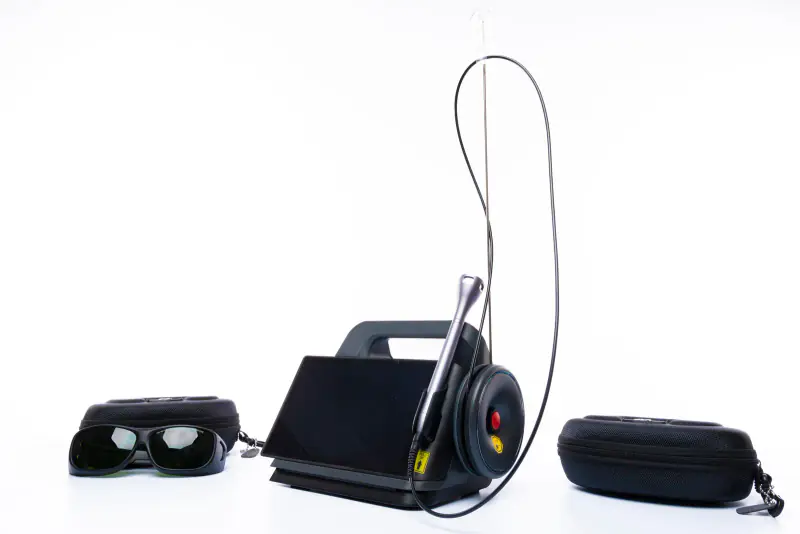
The response to treatment varies with the initial pocket depth: it is generally better for moderate pockets than for very deep ones, which may require the surgical step. Bone loss that has already occurred does not repair itself spontaneously; root planing halts the destruction and stabilizes the disease — it does not naturally rebuild bone. Finally, certain adjuncts are sometimes proposed: according to the EFP guideline, chlorhexidine mouthwashes or certain antibiotics may be considered in specific situations, but the routine use of antibiotics is not recommended, and lasers are not recommended as an alternative to instrumentation. The foundation of treatment remains the mechanical removal of the biofilm.
Why is maintenance essential after root planing?
Root planing stabilizes periodontitis; it does not cure it in the strict sense. Periodontitis is a chronic disease, and bacterial biofilm constantly re-forms. That is why step 4 of the EFP guideline, supportive periodontal therapy, is not optional — it is a condition of the long-term result.
In practical terms, this means regular follow-up visits at a personalized interval. The EFP guideline suggests a schedule of between three and twelve months, tailored to each person according to the risk of recurrence or progression — so more frequent for a smoker, a person with diabetes, or someone who forms tartar quickly. The AAP also emphasizes that most patients will need ongoing maintenance therapy to preserve their periodontal health. This follow-up combines pocket monitoring, further debridement if needed, and reinforcement of oral hygiene. The details and rhythm of this follow-up are covered in our article on periodontal maintenance and follow-up.
Properly understood, this is good news: with appropriate non-surgical treatment and consistent maintenance, you can keep your teeth for many years despite periodontitis — provided you stay regular with your care. Without maintenance, the risk of the disease flaring up again is high.
In summary
Routine scaling and root planing are not the same thing. The first removes visible tartar above the gumline: that is prevention. The second, also called subgingival debridement or subgingival instrumentation, cleans the root surfaces inside the periodontal pockets: it is step 2 of periodontitis treatment according to the 2020 EFP guideline. Performed under local anesthesia, with hand or ultrasonic instruments, it reduces pocket depth by about 1.4 mm on average and closes the majority of moderate pockets, according to the review by Suvan and colleagues. It can cause temporary sensitivity and gum recession, which reflect healing. But it does not rebuild lost bone and never removes the need for maintenance: it is the regularity of the follow-up, more than the procedure alone, that keeps the disease stable over time.
Frequently asked questions
What is the difference between scaling and root planing?
Is root planing painful?
My teeth look longer after the treatment: is that normal?
Does root planing cure periodontitis permanently?
Are antibiotics or a laser needed alongside root planing?
Hand or ultrasonic instruments: which is more effective?
Can gum treatment be done during Ramadan?
Sources
Medical references consulted for this article.
- 1EFP, Treatment of stage I-III periodontitis – The EFP S3-level clinical practice guideline (Sanz et al., J Clin Periodontol 2020)
- 2EFP, New infographics explain the four steps of the EFP clinical practice guideline
- 3Periodontitis & Diabetes Hub (EFP), Guideline: Treatment of periodontitis (résumé des 4 étapes)
- 4Suvan J, Leira Y, Moreno Sancho FM, Graziani F, Derks J, Tomasi C. Subgingival instrumentation for treatment of periodontitis. A systematic review. J Clin Periodontol 2020 (PubMed)
- 5ameli.fr (Assurance Maladie), Consultation et traitement de la gingivite et de la parodontite
- 6ameli.fr (Assurance Maladie), Comprendre la maladie des gencives : gingivite et parodontite
- 7American Academy of Periodontology (AAP), Non-Surgical Treatments (scaling and root planing)
- 8EFP, Proceedings of the 2017 World Workshop on the classification of periodontal and peri-implant diseases (published 2018)
- 9Cleveland Clinic, Gum Recession: Causes, Prevention, Surgery & Treatment (relu en 2022)
Contents
Share