
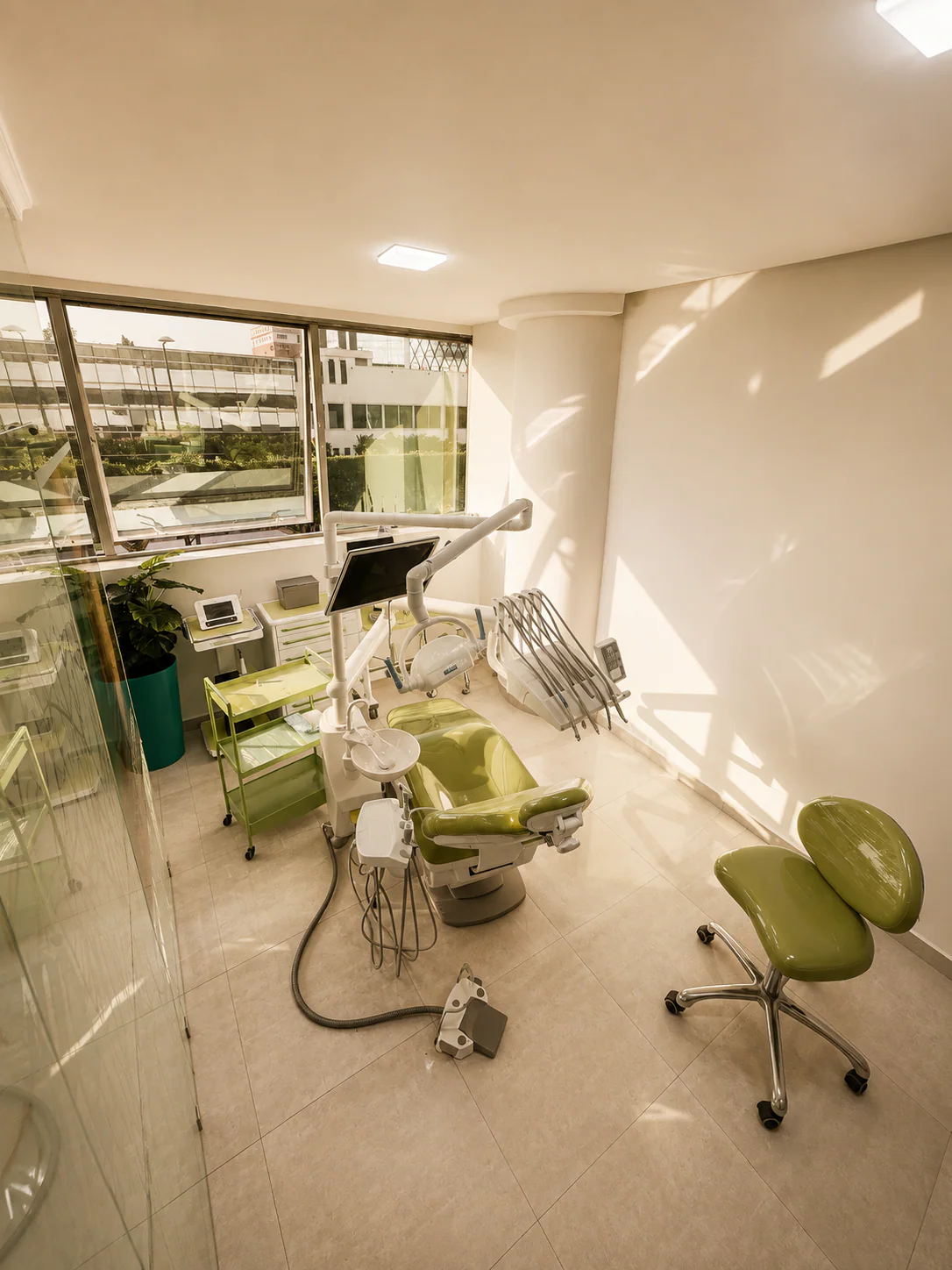
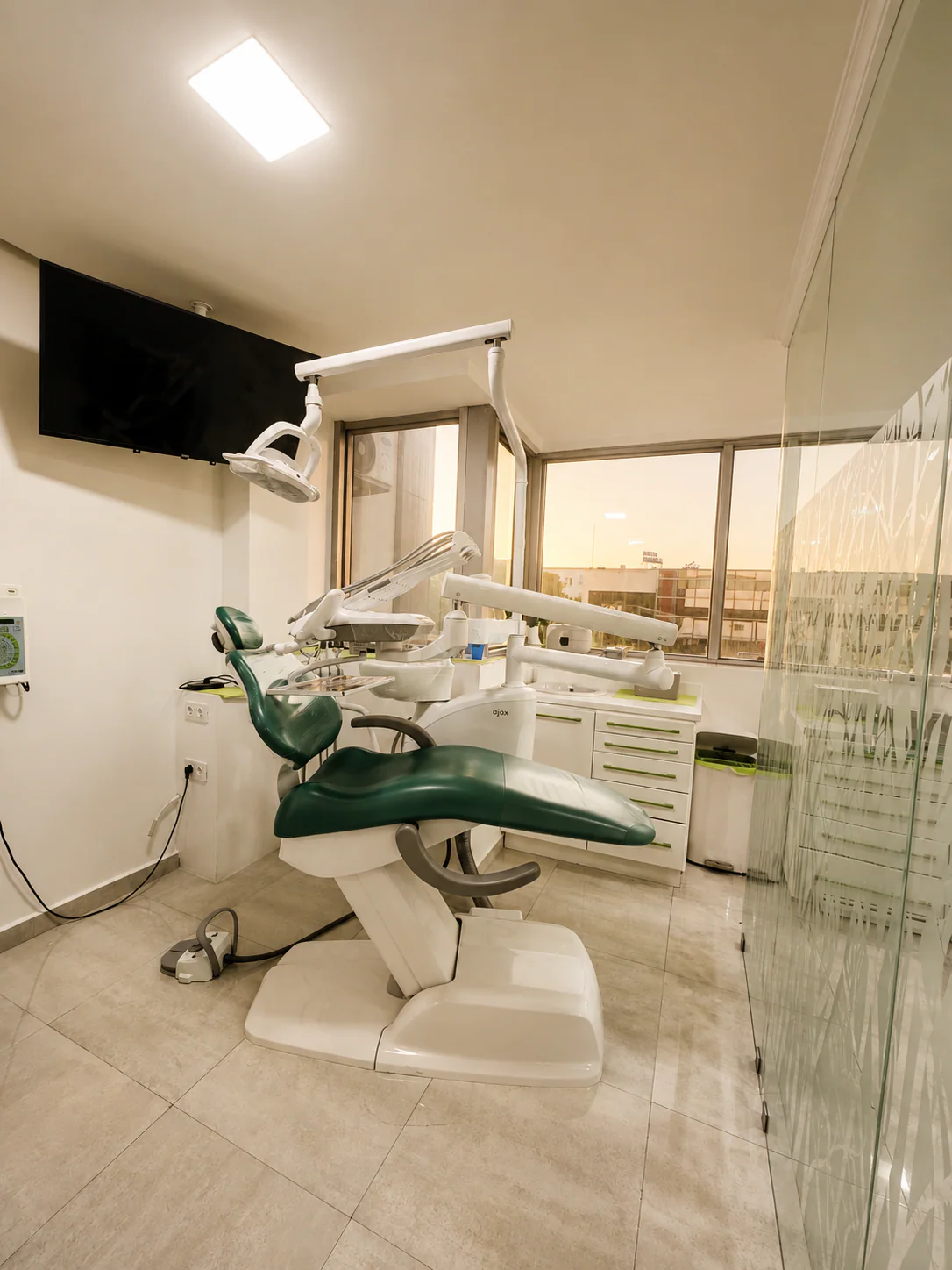
Children's dental care in Kénitra
Baby teeth matter: they are used for eating and speaking, and they hold the space for the permanent teeth. At Dr Fatima Azelmat's practice in Kénitra, your child is seen for a first visit, for prevention and for the treatment of decay. Each step is explained to you before it is done.
The assessment does not commit you to any treatment. It helps you understand first, then decide.
Clinical review pending
Children's dental care in Kénitra
At Dr Fatima Azelmat’s practice in Kénitra, children are seen by appointment for the first visit, check-ups, prevention and the treatment of decay. A first visit is advised from the first tooth and by about age 1 at the latest. If your child is older and has never been seen, it is not too late. The treatment needed and its cost are explained to you after the examination.

What you need to know
Why treat teeth that are going to fall out?
Baby teeth are used for eating, speaking and smiling. They also hold the space for the permanent teeth, which form just underneath. Untreated decay in a baby tooth can cause pain or an infection. A tooth lost too early can reduce the space meant for the permanent tooth. The guide baby teeth: why they matter explains this in detail.
The first visit: when, and how it goes
A first visit is advised from the first tooth, and by about age 1 at the latest. If your child is 3, 4 or 6 years old and has never been seen, it is not too late.
The first visit is short:
- A conversation with you. Diet, brushing, bottle, pacifier or thumb, medical history.
- An examination suited to the child’s age. The teeth, gums and jaws are looked at. With a very young child, the examination is often done on the parent’s lap.
- Advice. Brushing, toothpaste and diet, according to the child’s age.
- What comes next. If treatment is needed, it is explained to you before it is scheduled.
The guide first visit to the dentist describes each step.
Prevention, at every age
- Brushing. Twice a day, with a fluoride toothpaste suited to the child’s age: a smear the size of a grain of rice under 3 years, a pea-sized amount from 3 to 6 years. An adult helps or checks until the child has mastered brushing.
- Sugar. How often matters as much as how much. A sweetened bottle at bedtime exposes very young children to decay.
- Check-ups. At least once a year. The interval is adapted to the child’s risk of decay.
- Permanent molars. A sealant on the grooves can be discussed when the risk of decay justifies it.
Three guides help you at home: getting a child to want to brush their teeth, what fluoride is for and tooth decay in children.
When decay is already there
A white or brown mark, sensitivity to cold or sweet things, a tooth that hurts when eating: these signs deserve an examination. Early decay can sometimes be stopped without drilling, with fluoride and more careful brushing. More advanced decay is treated. The treatment proposed depends on the child’s age, the tooth concerned and what the child can accept that day. It is explained to you before starting.
Preparing your child
- Use simple, positive words. Avoid “needle”, “hurt”, “scared”.
- Do not tell your own bad memories in front of your child.
- Play dentist at home: count the teeth, open wide.
- Choose a time when your child is rested.
The visit goes at your child’s pace. A first session may be limited to getting to know each other.
When to be seen without waiting
- pain that lasts or wakes your child at night;
- a swollen cheek or gum;
- a knock to a tooth, even if the child is not in pain;
- a tooth that changes colour after a knock.
Call the practice during opening hours. Outside these hours, or if the child has a fever, difficulty swallowing or difficulty breathing, go to an emergency department. The page dental emergency in Kénitra gives the first steps.
What about the alignment of the teeth?
If the examination shows a lack of space or a mismatch between the jaws, the question of orthodontic treatment is discussed with you: act, wait or monitor. The page orthodontics in Kénitra presents the appliances and how treatment works.
Fees for children’s care
The treatment needed and its cost are explained to you after the examination, before starting. General guidance is on the Fees page.
At Dr Fatima Azelmat’s practice
Your child is seen by appointment by Dr Fatima Azelmat, a dental surgeon. What is found is explained to you, then what is proposed. You then decide.
For general guidance, see the NHS page on children’s teeth. The dental assessment in Kénitra page helps you prepare your questions.
Frequently asked questions
At what age should I take my child to the dentist for the first time?
A first visit is advised from the first tooth, and by about age 1 at the latest. It is mainly used to examine, to advise and to get the child used to the practice. If your child is older and has never been seen, it is not too late.
Does decay in a baby tooth need to be treated?
Yes. Untreated decay can cause pain or an infection, and the permanent tooth forms just underneath. A baby tooth lost too early can also reduce the space meant for the permanent tooth.
My child is afraid of the dentist: how can I prepare them?
Use simple, positive words, without mentioning needles or pain. Do not tell your own bad memories in front of your child. Play dentist at home. The visit goes at your child’s pace, and a first session may be limited to getting to know each other.
How much toothpaste for my child?
A smear the size of a grain of rice under 3 years, a pea-sized amount from 3 to 6 years, with a fluoride toothpaste suited to the child’s age. The recommended fluoride level varies between health authorities: ask about it during the visit.
How often should my child's teeth be checked?
At least once a year. The interval is adapted to the risk of decay: a child at higher risk may need more frequent check-ups.
My child has knocked a tooth: what should I do?
An examination is recommended after a knock, even if the child is not in pain. Call the practice during opening hours. Outside these hours, or if the child is bleeding heavily or has difficulty breathing, go to an emergency department.
Read on the blog

Your Child's First Dental Visit: At What Age and How
When to take your child to the dentist for the first time, why this early visit is useful, how to prepare your child without passing on your own fears, and what happens during the appointment.
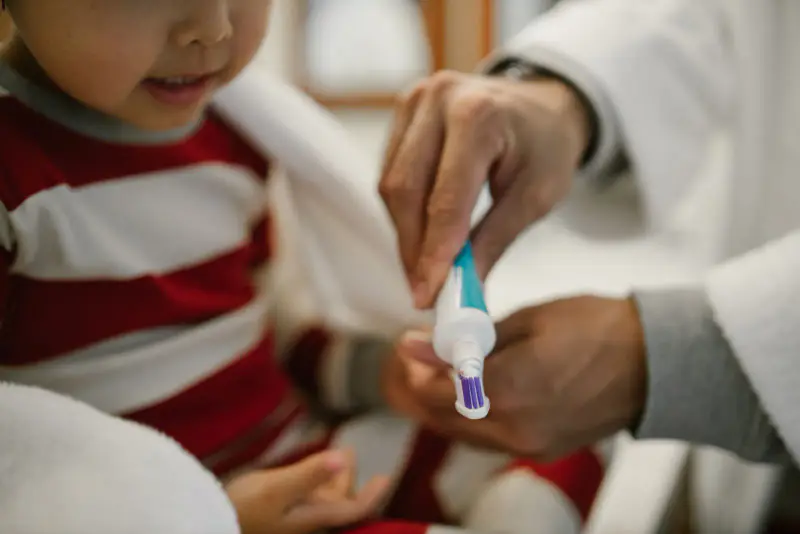
Tooth Decay in Children: Prevention and Care
Preventing and treating cavities in children: fluoride by age, dental sealants, baby bottle tooth decay and the first visit, without alarmism.
Schedule an assessment
The assessment does not commit you to any treatment. It helps you understand first, then decide.