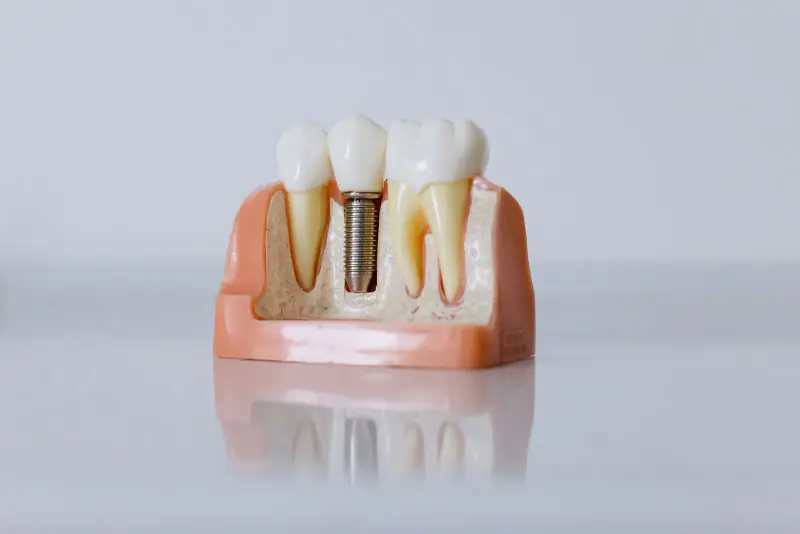
People often ask me the price of a tooth before they even sit down. I understand the question. It is probably the one I would ask too. But a figure given before the examination would not yet say what needs to be done. Here is why.
A tooth is supported by what lies beneath it.
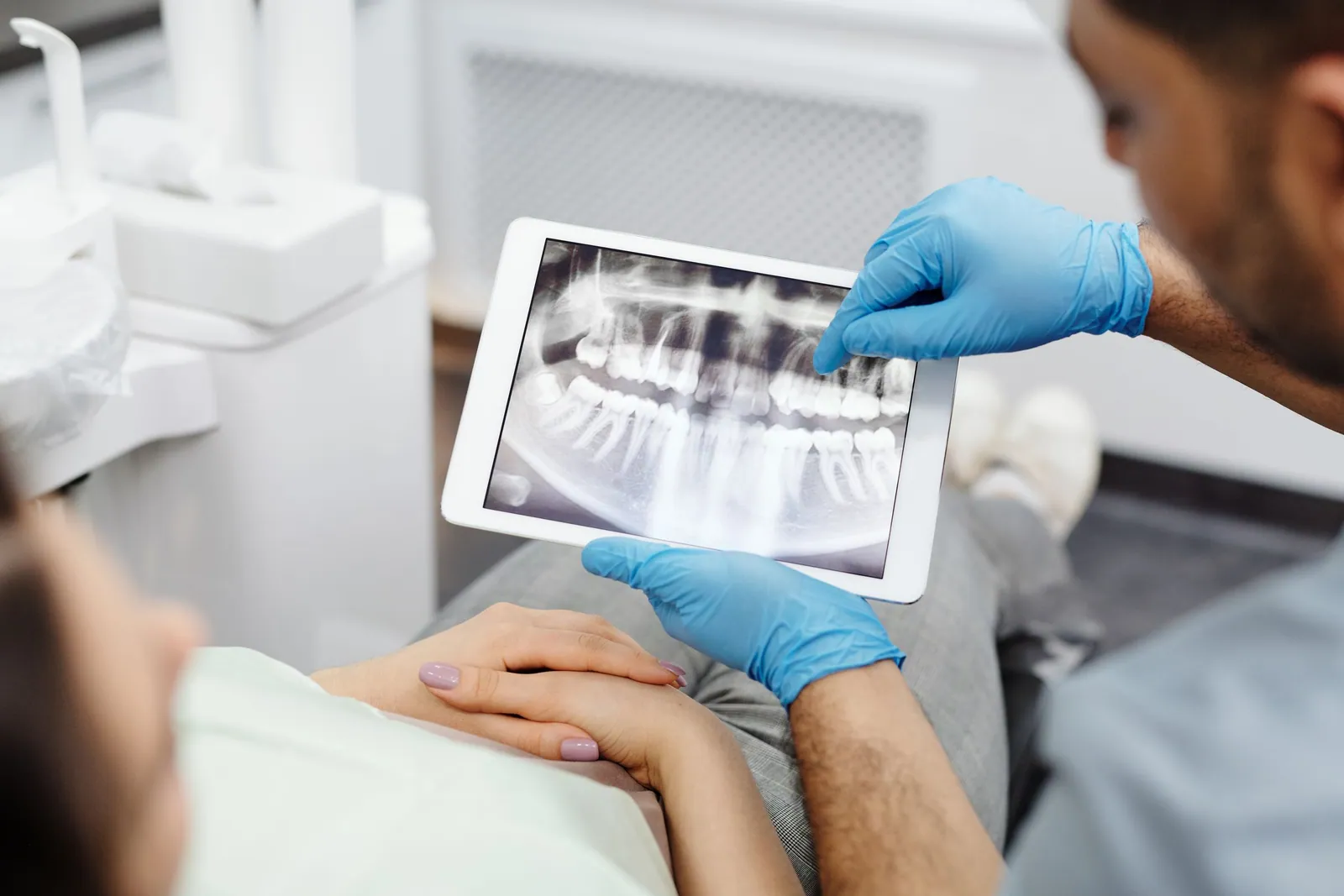
When you come in about a tooth that is missing, loose or painful, I begin with the bone: what the available images show about its volume and boundaries. Next comes the gum: is it healthy, or does inflammation first need to be controlled? Then the bite, the way the upper and lower teeth meet, because the final tooth will need to withstand those forces.
Only after these questions can we consider the shape and position of the final tooth, then the procedure that might make it possible. Every option should be part of the discussion, including those that do not involve an implant. Follow-up matters from the outset because a restored tooth, treated gum or implant needs monitoring over time.
Saying no is also part of the assessment
Sometimes I do not consider an implant the first option. The bone may require reconstruction that the person does not want. Another solution may meet the need with fewer stages. Inflamed gums may need treatment before any prosthetic decision. Sometimes the best answer is monitoring.
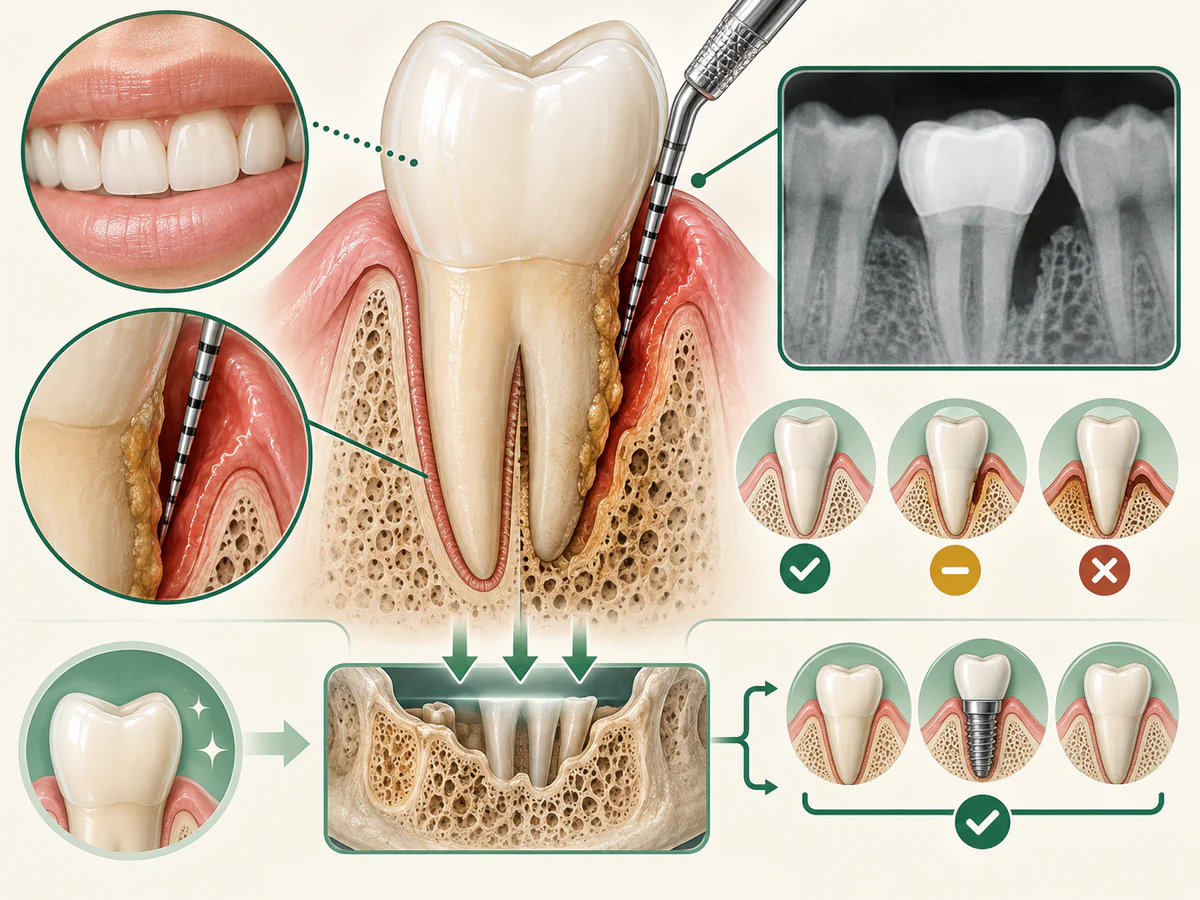
When indicated, this ‘no’ is not an absence of an answer. It should come with an understandable reason and the alternatives that remain possible. The Dental implants in Kenitra page explains this reasoning for implants; the Periodontology in Kenitra page shows why the gum may come before the final tooth.
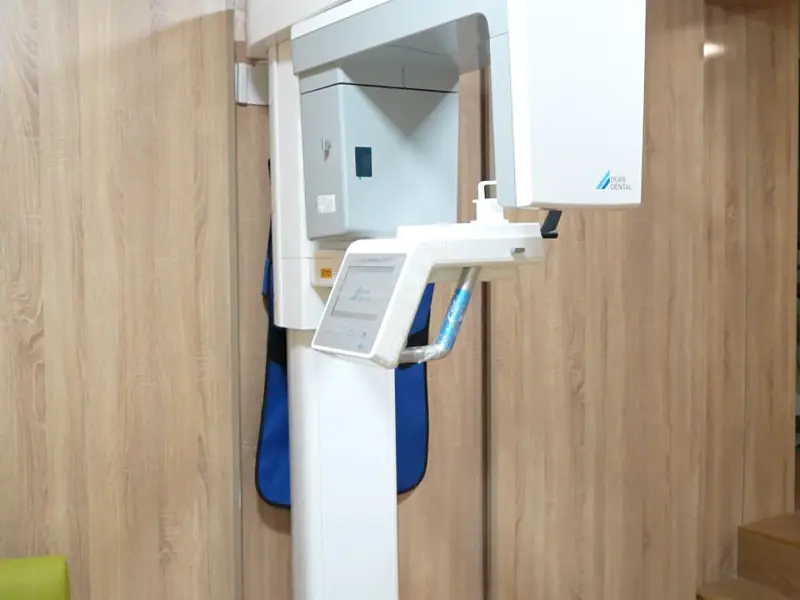
I do not have a secret method. I have an order: the bone, gum, bite, final tooth, and then follow-up. Three-dimensional imaging may supplement the examination when it answers a specific question. It helps measure; it does not decide for the clinician or guarantee an outcome. The article about cone beam CT explains its indications and limitations.
If you feel anxious about dental care, say so at the first appointment. Your questions, preferences and pace are part of the discussion. My role is to explain what I observe, the options that may be considered, and the reasons for each one. If treatment is chosen, its stages and cost should be understood before you decide.
What you should be able to understand after the assessment
- what is happening in your mouth, in plain language;
- what needs prompt attention and what can wait;
- the reasonable options, including those without an implant;
- the stages in the right order, and any healing times;
- the information needed for a written plan and its cost if treatment is being considered.
I am Dr Fatima Azelmat, a dental surgeon in Kenitra. My profile brings together the professional information published by the practice. Scheduling an assessment does not commit you to any treatment: it first helps you understand, then decide.
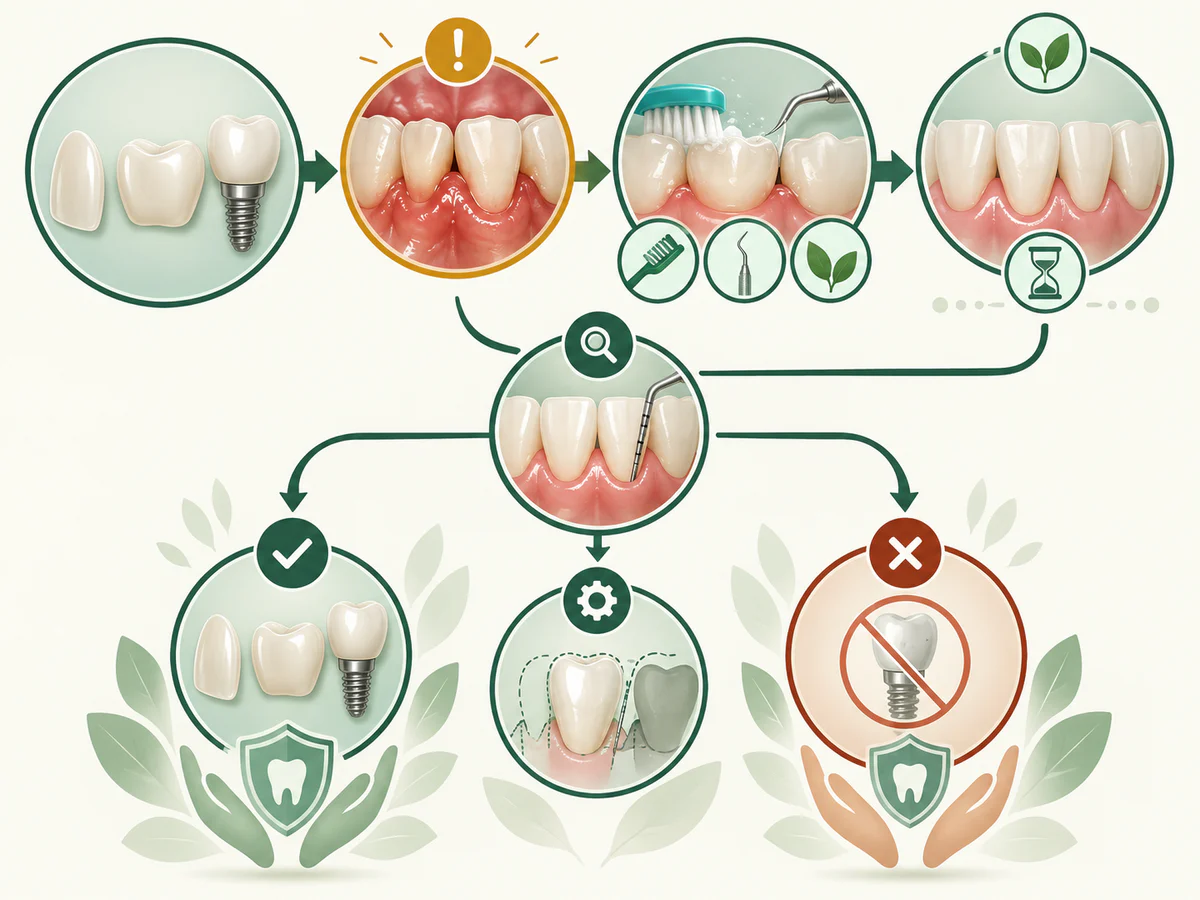

The procedure pages follow the same order: the bone, on the Bone graft page, then the gum, then the final tooth. The assessment, as I carry it out.
Frequently asked questions
Why can the price of a tooth not be given immediately?
Why examine the gum before an implant?
Why does the bite matter?
Does the assessment always lead to treatment being proposed?
Sources
Medical references consulted for this article.
Contents
Share