Understand & choose
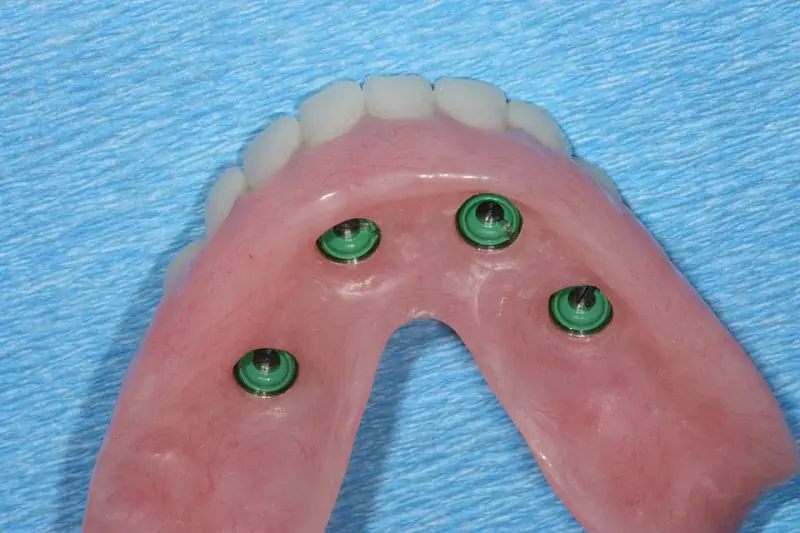
A denture that no longer stays in place
It fitted well at first. If the ridge beneath it has changed, the denture no longer matches its current shape.
Read the articleClear comparisons and practical benchmarks. Understand treatment options, prepare your questions and make an informed choice without sales pressure.
This section helps you decide. It starts from situations described in your own words: a tooth missing for years, a denture that no longer stays in place, a loose tooth and bleeding gums, two quotes that do not say the same thing, or a worrying sentence such as “not enough bone”. Each article explains what needs to be checked before choosing, and why the examination starts below the gum, where the bone and the tissues that hold the teeth are found.
Other articles compare the options without ranking them: implant, bridge or denture, post crown or implant, prostheses with or without metal. A bridge is a fixed tooth that rests on the neighbouring teeth. An inlay or onlay is a ceramic piece that repairs part of a tooth. You will also find why a lost tooth should be replaced, how to get used to a denture, how to care for prostheses and crowns, and what to do if a crown falls out. Other articles explain how to read a quote, what questions to ask before choosing a dentist, and how to organise care during a stay in Morocco.
A final series presents the diagnostic tools: the panoramic X-ray, which shows the whole mouth on one image, digital radiography, the intraoral camera, which displays your teeth on a screen, photography, the digital patient record and artificial intelligence used as a second look at X-rays. These articles say what each tool is for and what it does not do. They inform you but do not replace an examination. The practice offers an assessment to examine your situation and explain the possible options. The assessment does not commit you to any treatment.
The first step is a precise diagnosis. To schedule an assessment, call the practice or write on WhatsApp.
It fitted well at first. If the ridge beneath it has changed, the denture no longer matches its current shape.
What you feel is a signal, not a sentence. The gum and bone are examined before each tooth is assessed.
The gap has become familiar, but the bone and neighbouring teeth may continue to change. The assessment measures which options remain possible.

The timetable follows healing, not the return ticket. Some stages require you to be present, while others may need to wait until another stay.
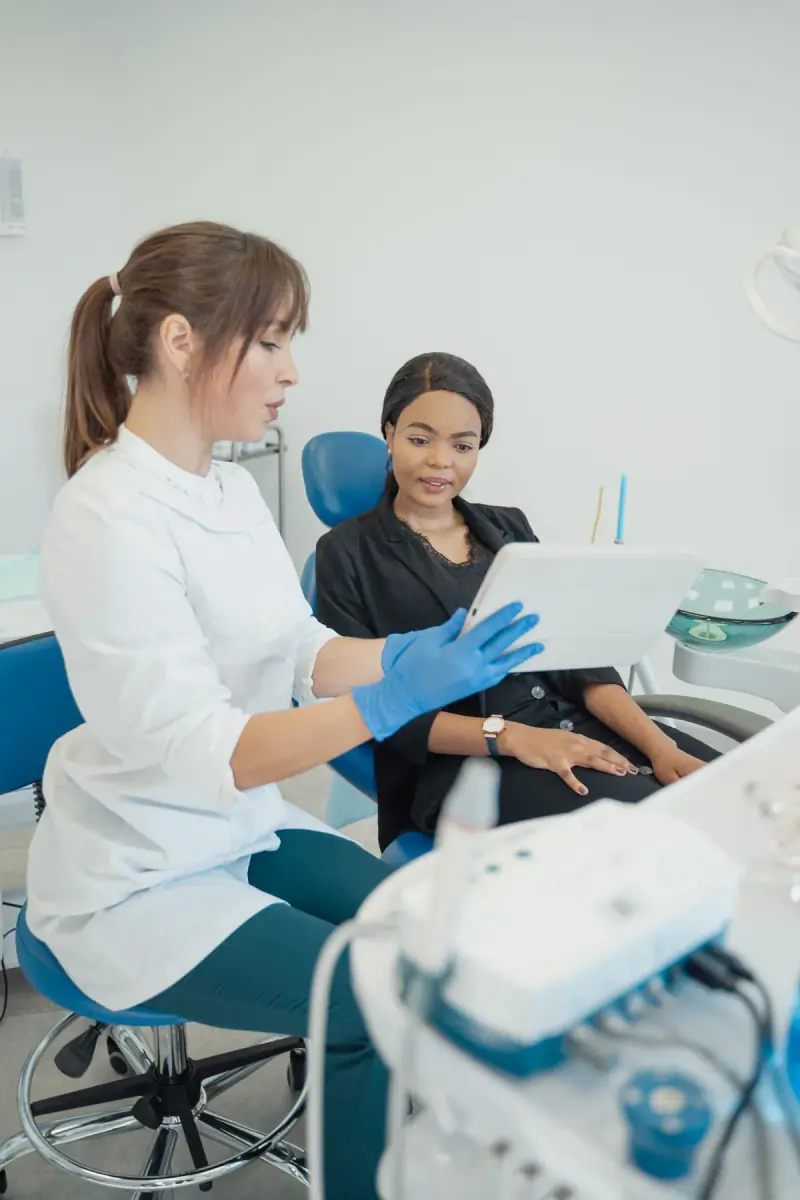
Price alone is not enough for a comparison. Two quotes become understandable when every stage, component and follow-up step is stated clearly.
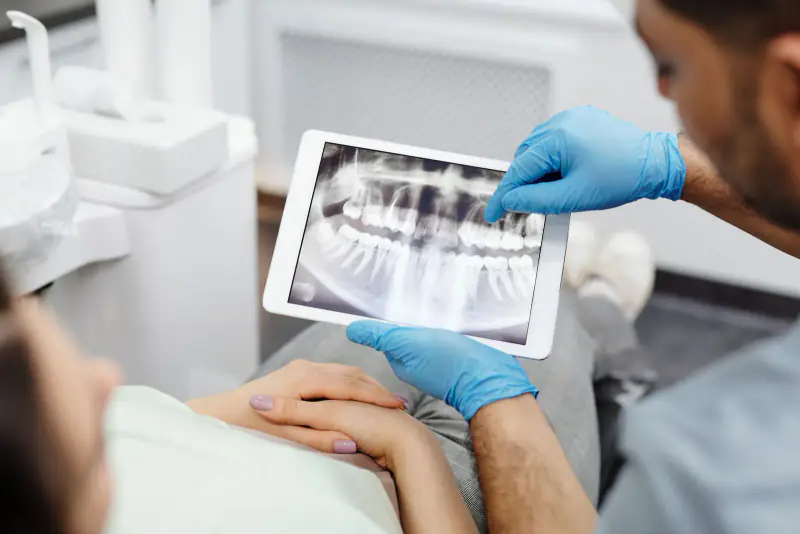
A tooth is supported by what lies beneath it. This is the order in which I examine the bone, gum, bite, final tooth and follow-up.
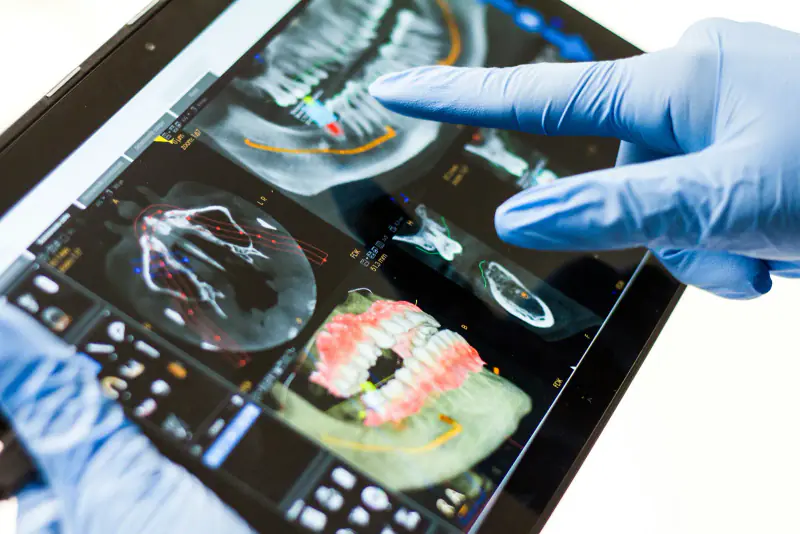
You left with a statement, not a measurement. The assessment clarifies what it means and which paths may be discussed.
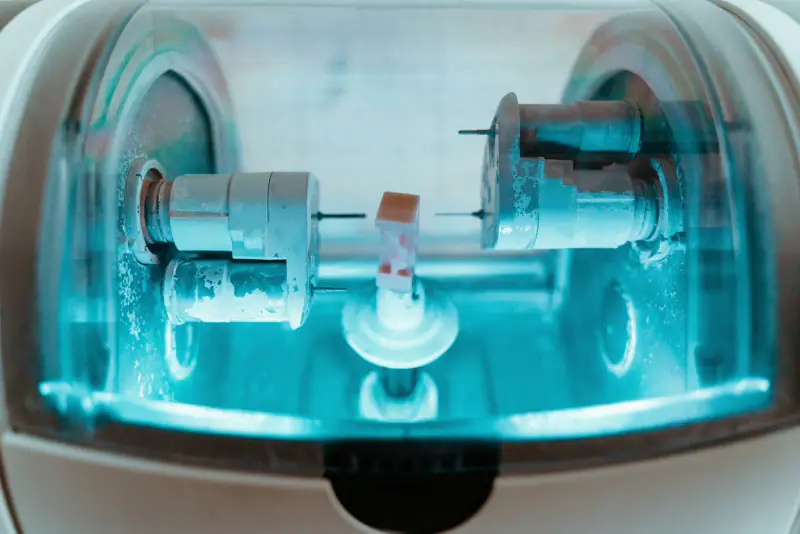
Between a filling and a crown, the ceramic inlay-onlay repairs a damaged tooth while keeping as much natural tissue as possible. Here is where it fits, what the literature says, and its limits.
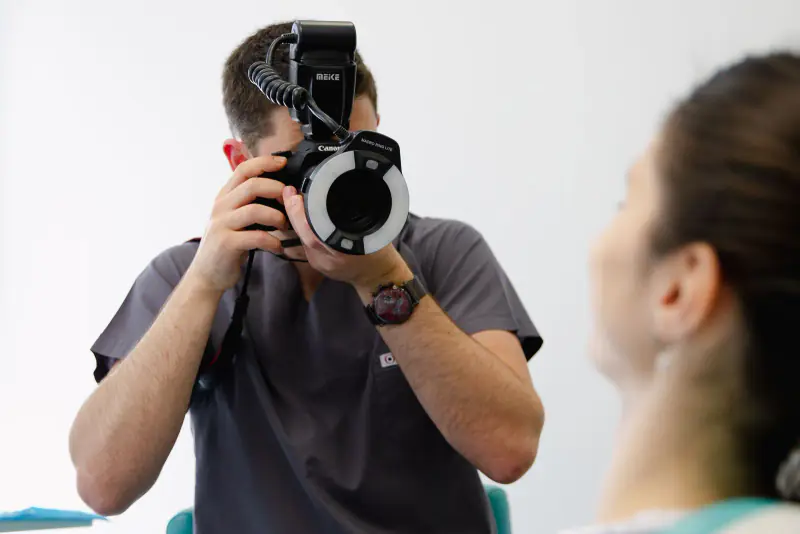
What dental photography really brings to the practice — diagnosis, before/after follow-up, patient dialogue and the link with the dental lab — how it works, and why a photo is not a diagnosis.
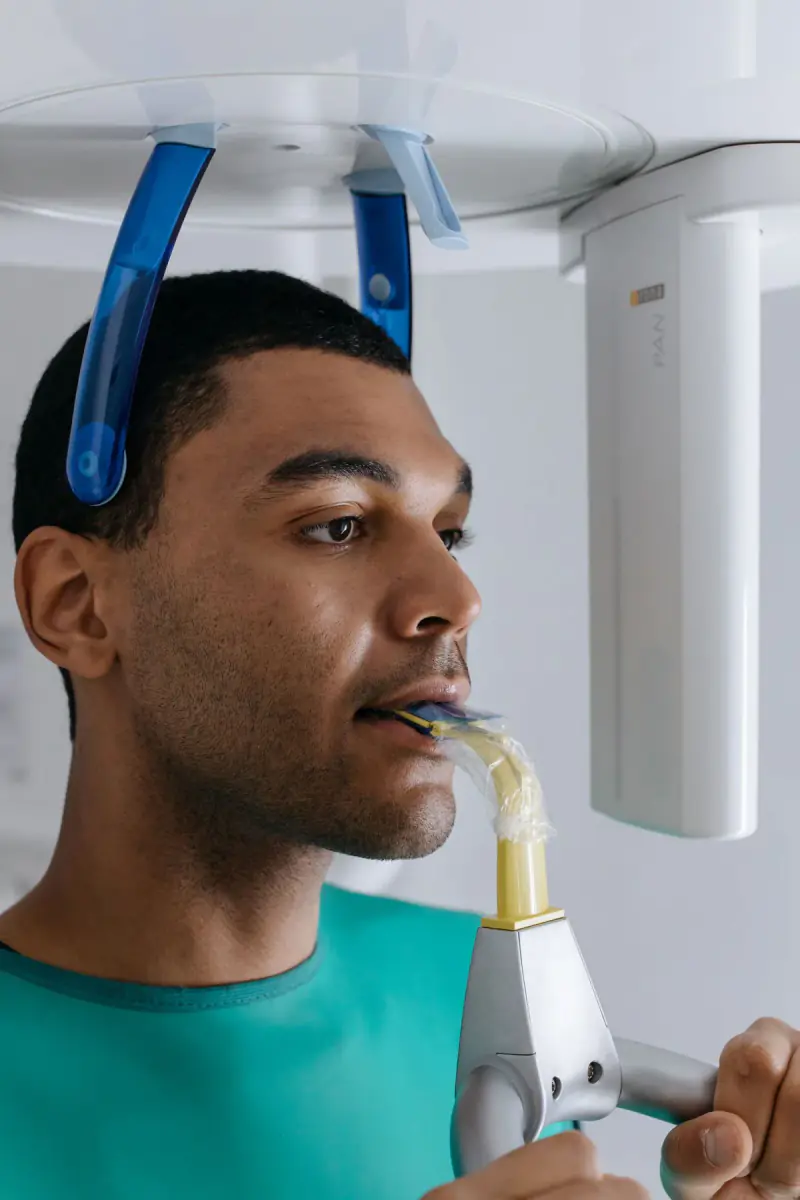
Understanding the dental panoramic X-ray: what this two-dimensional image really shows, how it differs from a periapical film and a Cone Beam, how the question of radiation dose is handled, and what it does not provide.
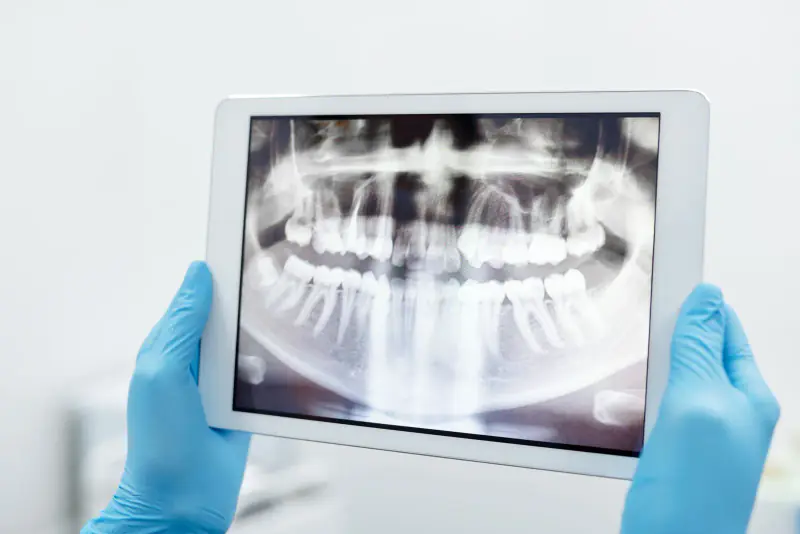
Every visit to your dentist creates useful information: X-rays, photos, a treatment plan, care notes. The digital patient record brings it all together in one secure place. Here is what it contains, how your data is protected in Morocco, and the rights you have over your own record.
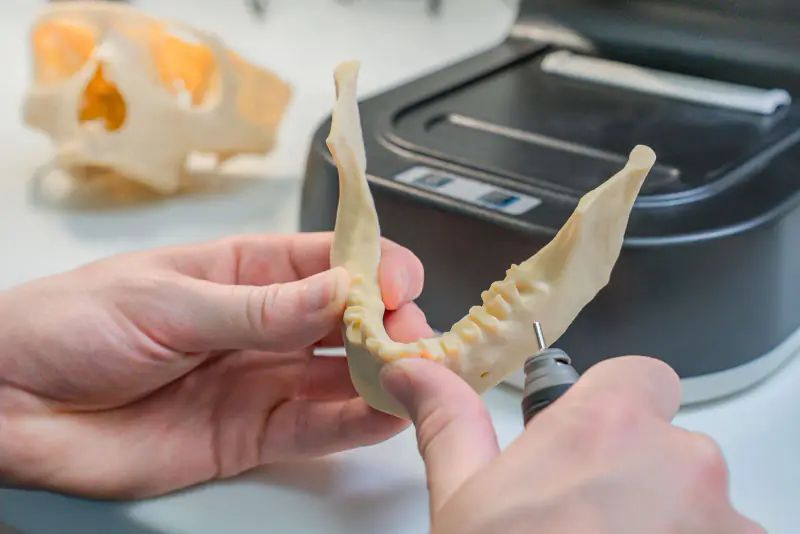
What 3D printing can really produce in dentistry — guides, splints, models, temporaries —, what the literature says about its accuracy, and what it does not replace.
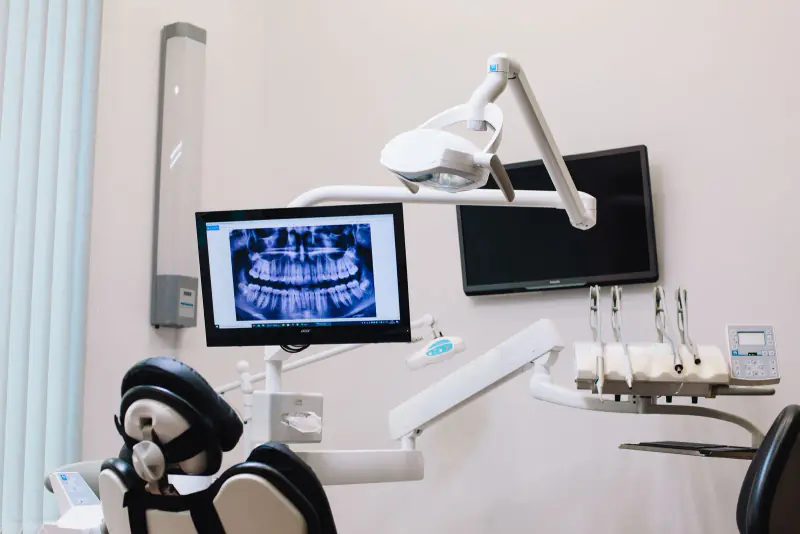
Artificial intelligence software analyzes your X-rays to flag cavities, lesions and bone loss. A “second look” that makes early detection more reliable — without ever replacing the clinician's judgment.
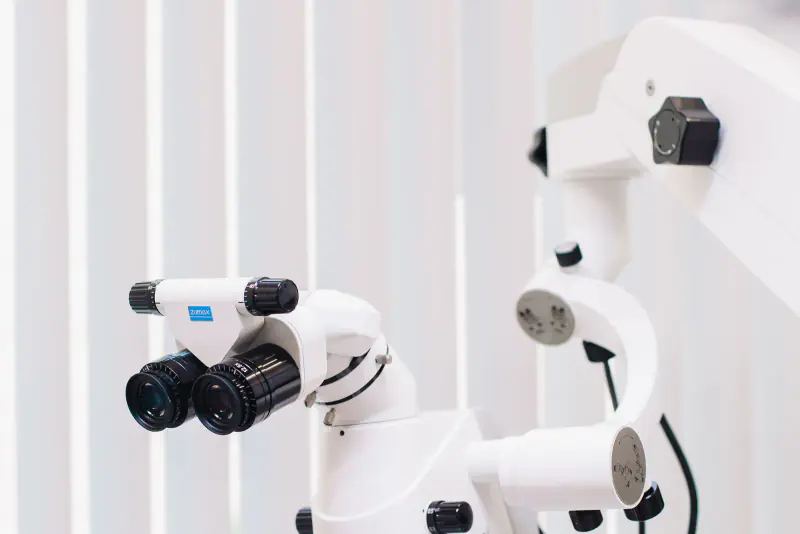
Understanding magnification in dentistry: what loupes and the operating microscope bring to the precision of care, particularly in endodontics, and what they do not.
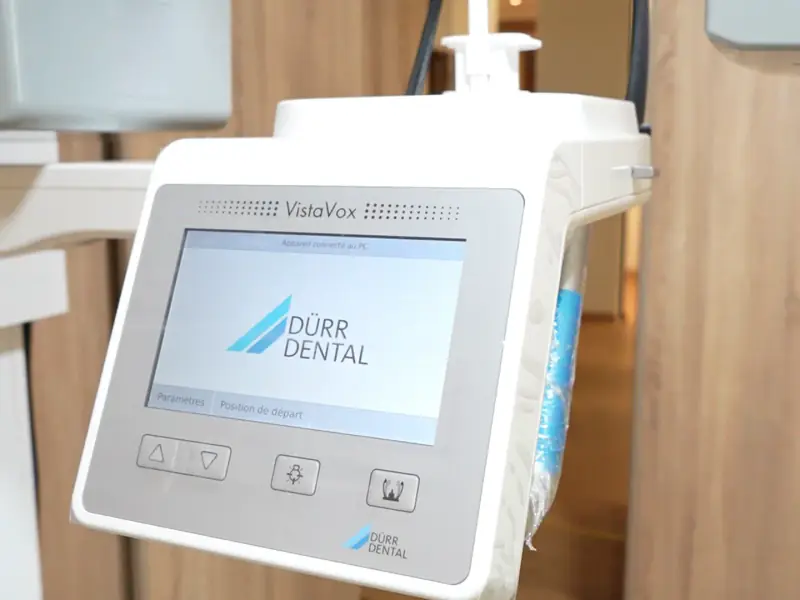
Understanding digital dental X-rays: sensors that replace film, an image on screen within seconds, a lower radiation dose, easier follow-up, and what this technology does not provide.
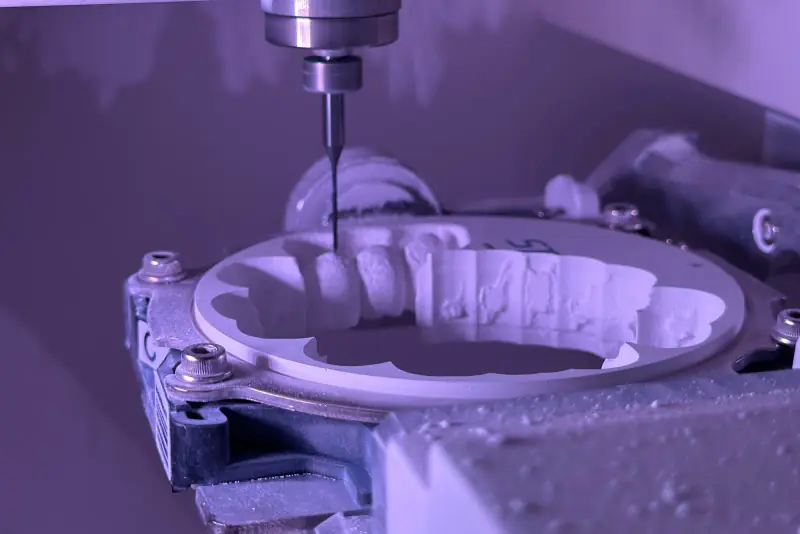
Zirconia implants as a metal-free alternative to titanium, and 3D-printed resins for definitive restorations: what the literature actually shows, with clinical follow-up that is still limited and limitations we name openly.
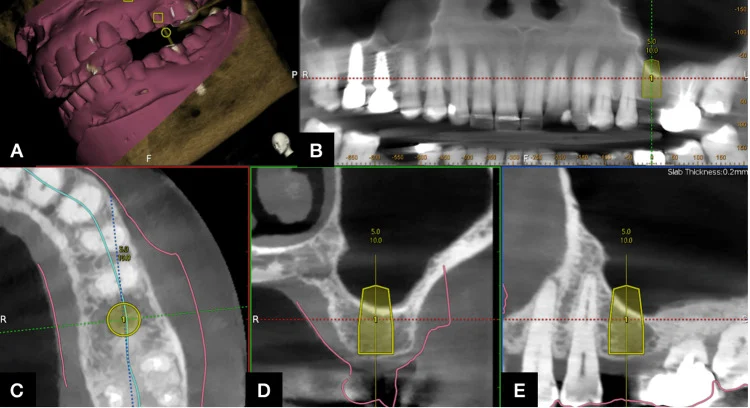
What navigated surgery really is — real-time on-screen guidance, comparable to a GPS — how it differs from static guided surgery, what the literature says about its accuracy, and where its limits lie, without over-promising.
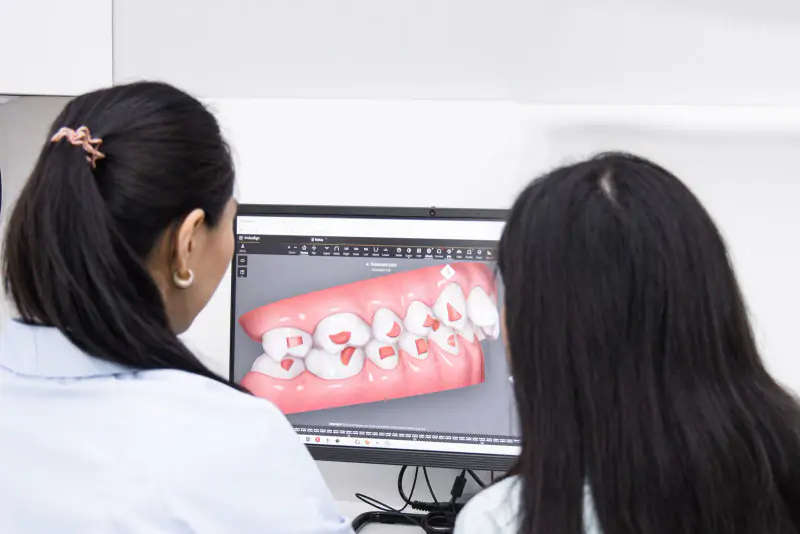
What a fully digital workflow means in dentistry — merging the intraoral scan, the facial scan and the CBCT into a single 3D model, the patient’s “digital twin” — and what the literature says about its promises and its limits, without overpromising.
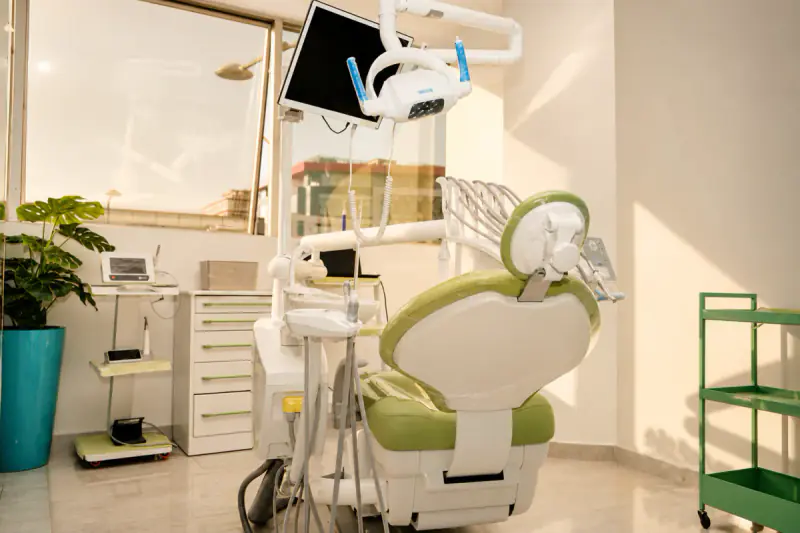
What an intraoral camera is, how it helps you see and understand the inside of your mouth, what it contributes to treatment decisions, and what it does not replace.
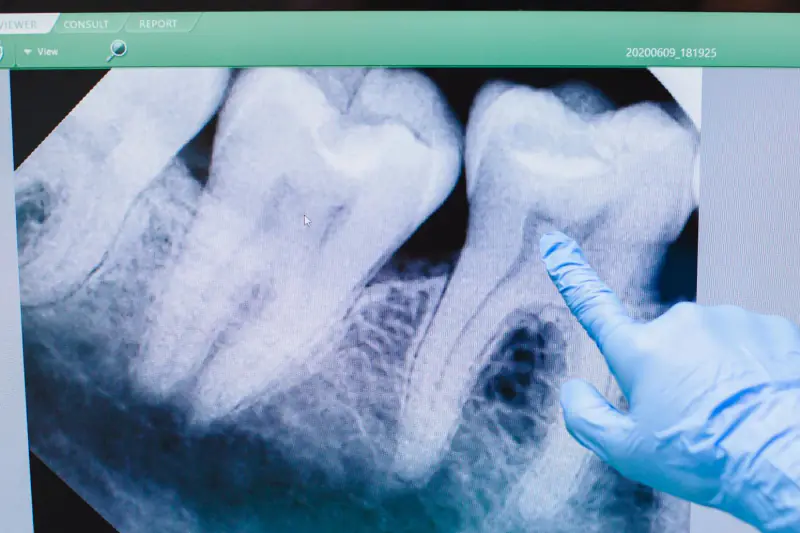
Having had periodontitis does not rule out an implant. But it is a recognized risk factor for peri-implantitis, calling for a mouth restored to health and lifelong follow-up.
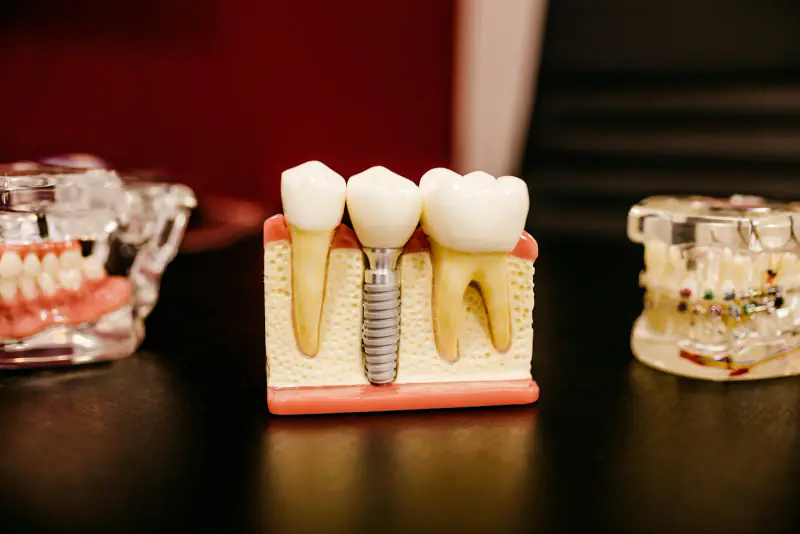
Implant, bridge or denture: a comparison by clinical criterion, with no commercial hierarchy and no prices, to decide together with your practitioner.
A Morocco price reference, what a complete implant includes, and the factors that change a quote, from grafting to imaging and restoration.
Blog