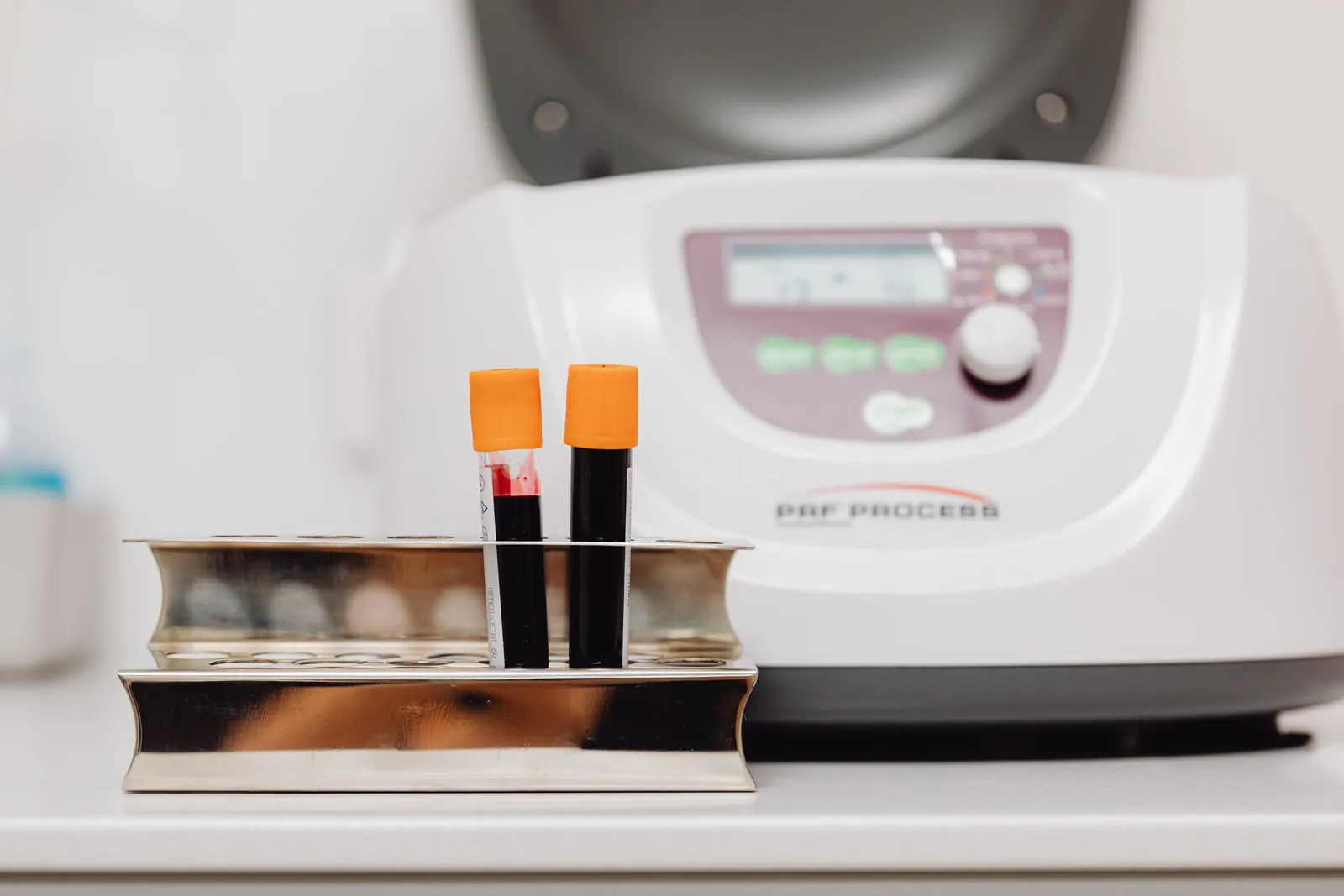
In short: Choukroun PRF (platelet-rich fibrin) is prepared by centrifuging a small sample of your own blood, with no additive. The fibrin obtained is placed in the surgical site to support healing. Studies describe a real benefit in the first weeks after surgery; they do not show an effect on long-term implant success.
PRF, short for platelet-rich fibrin, is a concentrate obtained from the patient’s own blood and used in oral surgery to support healing. Introduced in 2001 by Joseph Choukroun, it belongs to the second generation of platelet concentrates: unlike platelet-rich plasma (PRP), which came before it, it is prepared without any anticoagulant or chemical additive, as the review by Pavlovic and colleagues published in Open Medicine in 2021 points out. People often speak of “Choukroun PRF” to refer to this original protocol, named after the clinician who described it. This article explains what this material actually is, how it is obtained, what it is used for, and above all what the scientific data does — and does not — allow us to expect from it.
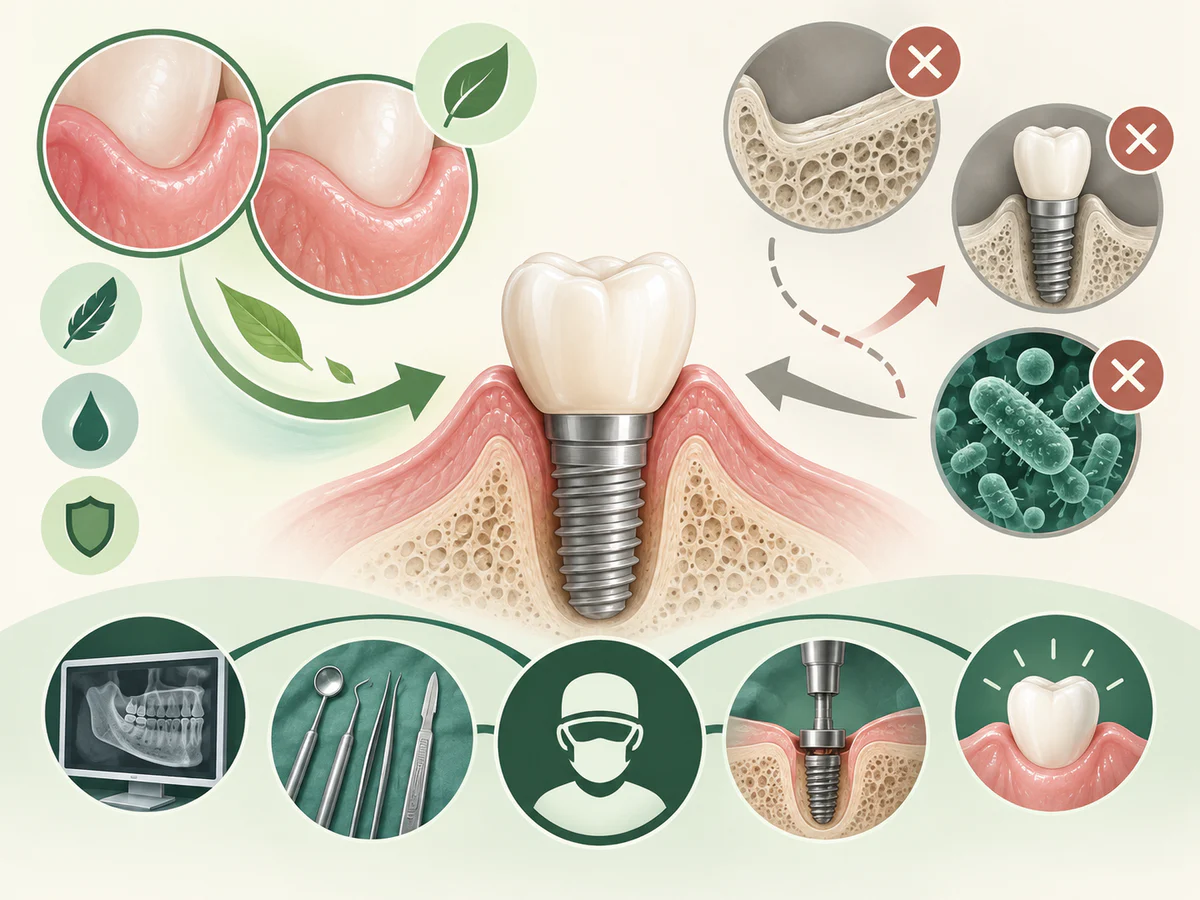
One essential point needs to be made straight away. PRF is an aid to healing and to comfort during the first few days, not a guarantee of success. The available studies describe a benefit that is mainly early, in the first weeks after surgery, but to date they do not demonstrate any effect on long-term implant success. Presenting PRF as a factor in implant success would therefore be an over-promise. It is within this cautious framework, and only within this framework, that it has its place among a practice’s clinical resources.
What is PRF, or platelet-rich fibrin?
Besides red and white blood cells, blood contains platelets and clotting proteins such as fibrinogen. Platelets do more than stop bleeding: they release growth factors that take part in the natural phases of healing. In principle, PRF is a way of concentrating these components of the patient’s blood so they can be placed in contact with the surgical wound.
It is an entirely autologous material — that is, taken from the patient’s own body and placed back into it. It contains no product of external origin and no added chemical substance. According to the review by Pavlovic and colleagues (2021), PRF takes the form of a dense fibrin clot containing a high proportion of leukocytes (white blood cells), platelets and growth factors. This fibrin scaffold plays a key role: it breaks down slowly and gradually releases its growth factors, over a period that can reach roughly seven days according to that same review.
The founding publication by Dohan, Choukroun and colleagues, which appeared in 2006 in Oral Surgery, Oral Medicine, Oral Pathology, Oral Radiology and Endodontology, describes PRF precisely as a second-generation platelet concentrate, designed for a simplified preparation with no biochemical manipulation of the blood. It is this simplicity that sets it apart from PRP, which is older and more complex to prepare.
How is Choukroun PRF prepared?
The preparation of PRF is deliberately plain. It relies on a single physical principle — centrifugation — and requires no additive whatsoever.
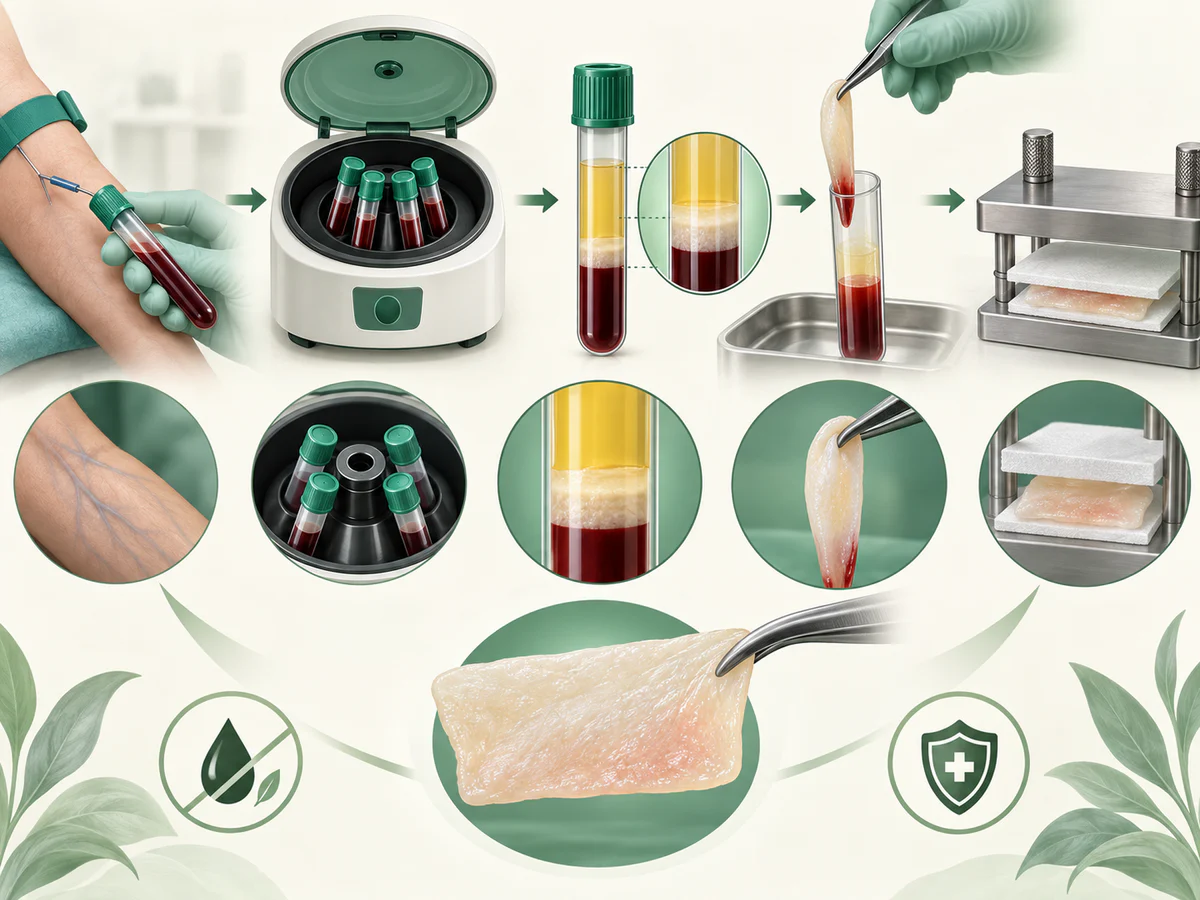
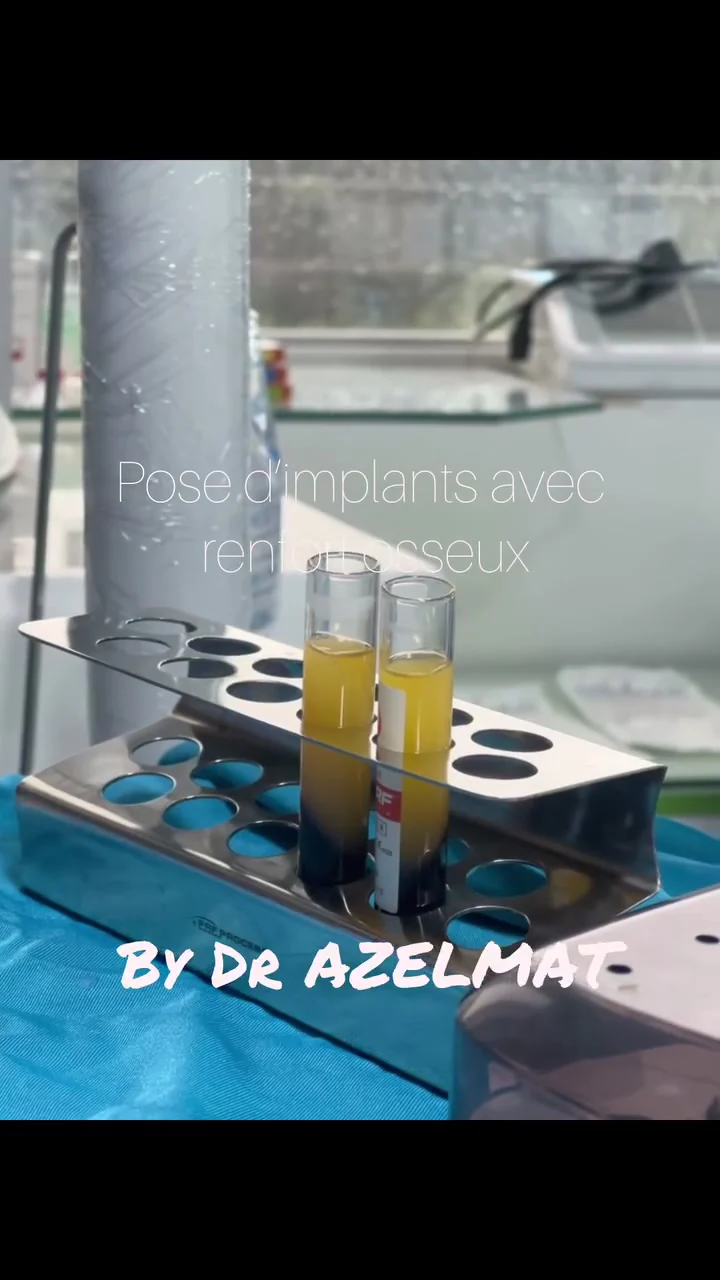
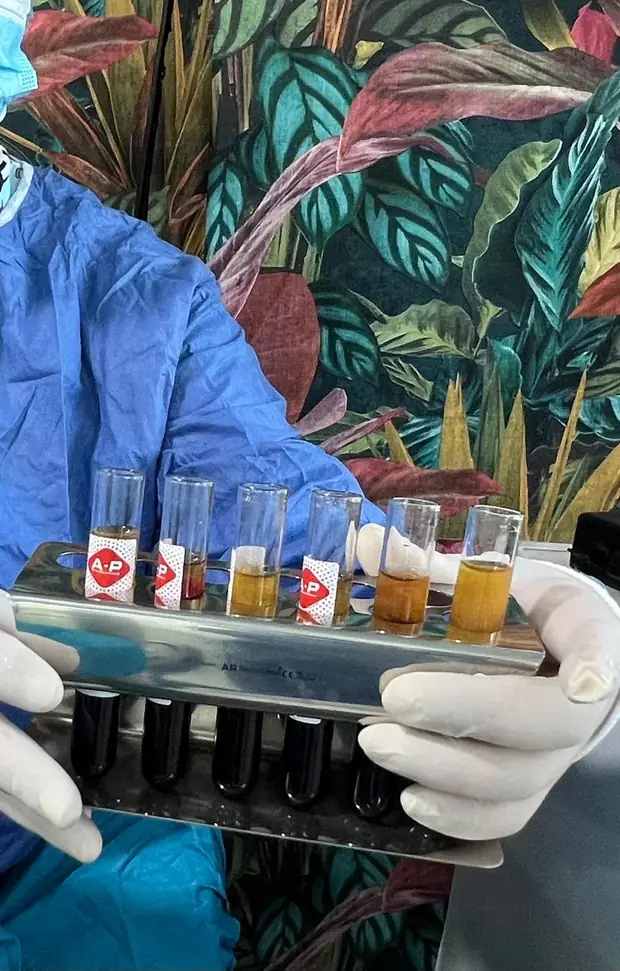
The sequence is as follows: a blood sample is taken from the patient, exactly as for an ordinary blood test, into tubes containing no anticoagulant. These tubes are placed in a centrifuge immediately. According to the review by Pavlovic and colleagues (2021), the initial protocol described by Choukroun centrifuges the blood at a speed of around 2,700 to 3,000 revolutions per minute (approximately 400 g) for ten to twelve minutes. As the blood components separate, a clot of fibrin rich in platelets and leukocytes appears in the central part of the tube.
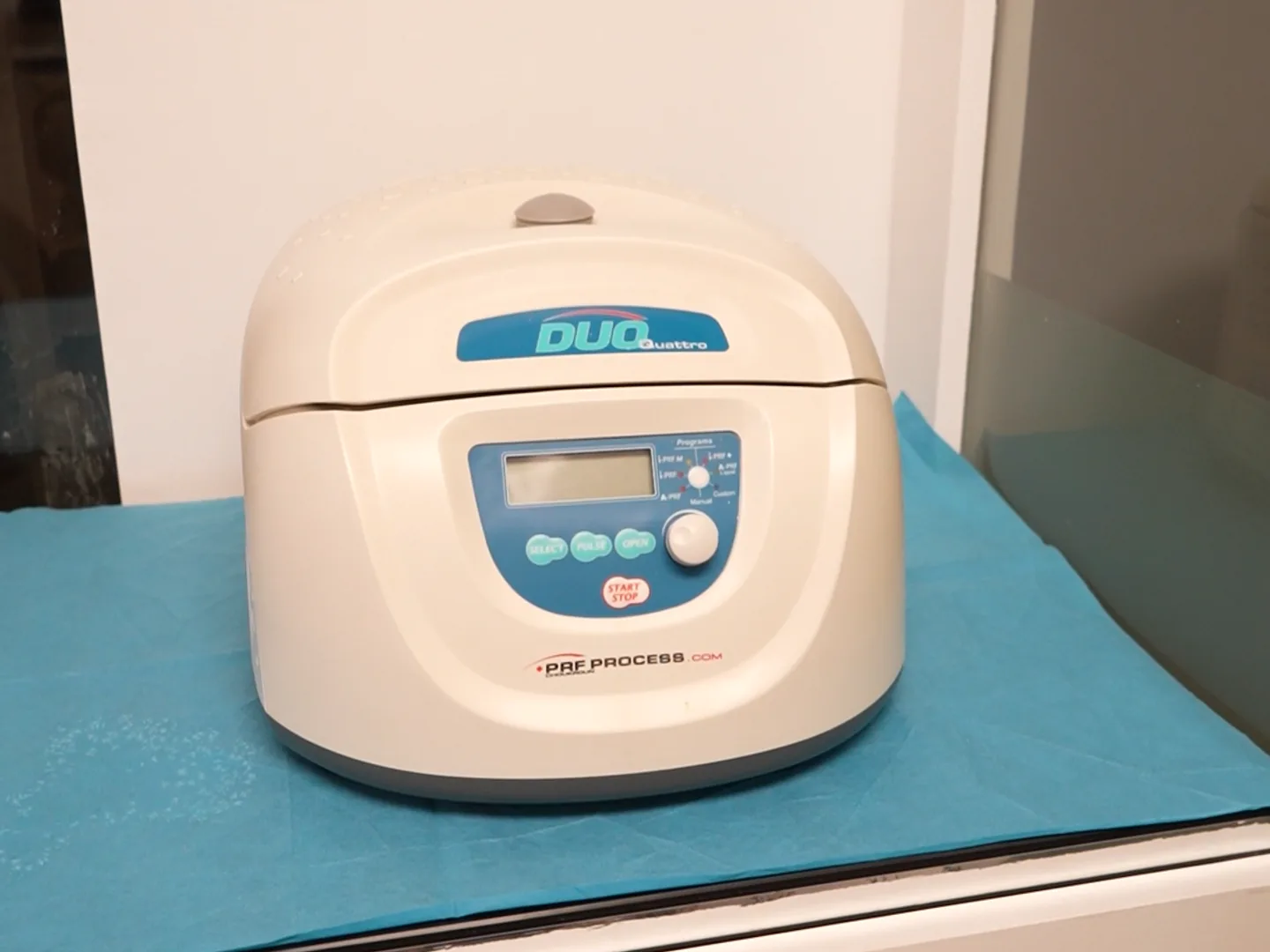
The absence of an anticoagulant is what makes this protocol distinctive. Since no product blocks clotting, it begins naturally as soon as the blood touches the wall of the tube. The fibrin then forms spontaneously, with no need to add bovine thrombin or anything else from outside. The resulting clot can then be used as it is, or pressed into a flexible membrane, depending on the intended use.
One honest clarification is in order: there are now many variations on the protocol, with different speeds and durations, grouped under a range of names. “Choukroun PRF” refers to the original protocol. This diversity of protocols is in fact one of the reasons why studies are sometimes difficult to compare with one another.
What is PRF used for in oral surgery?
PRF is not limited to a single situation. It is used as an adjunct in several oral surgery procedures, always with the aim of supporting healing.
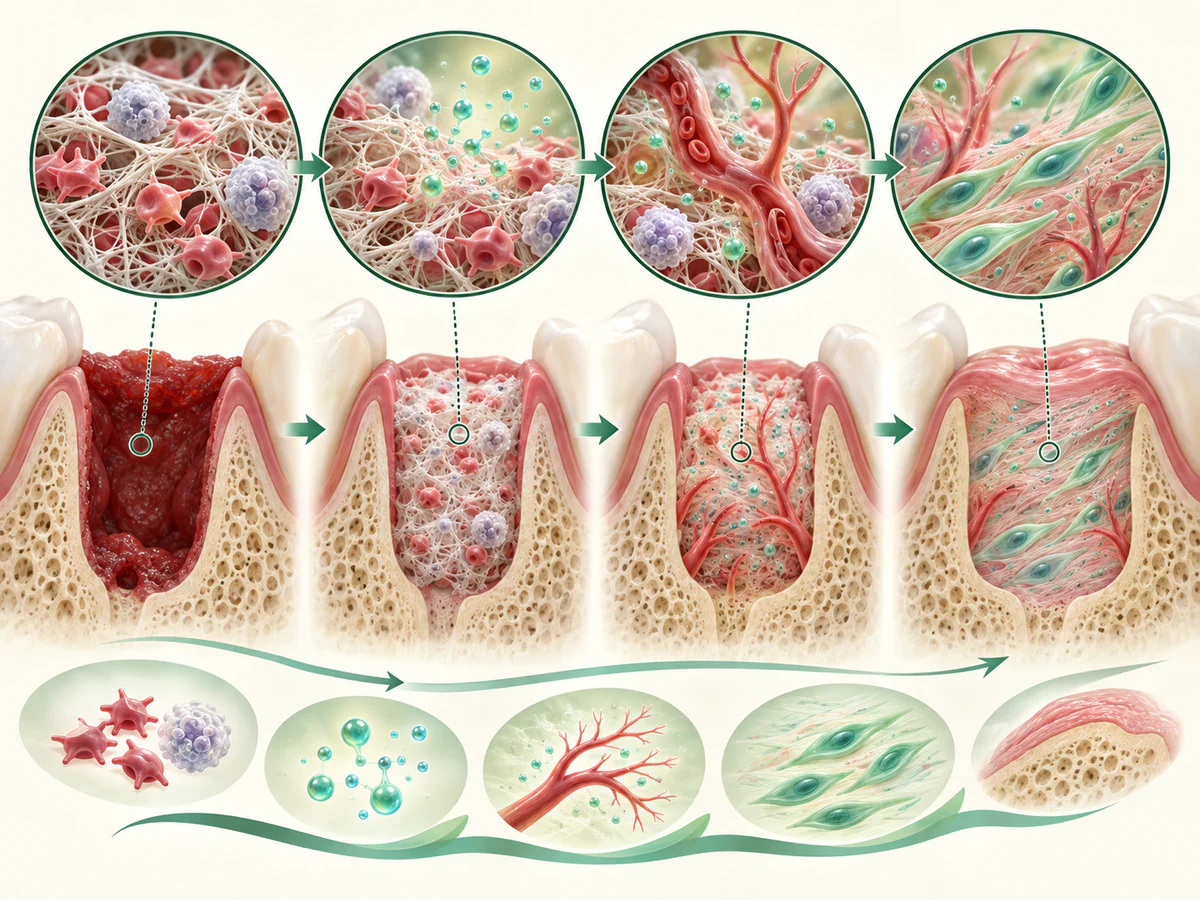
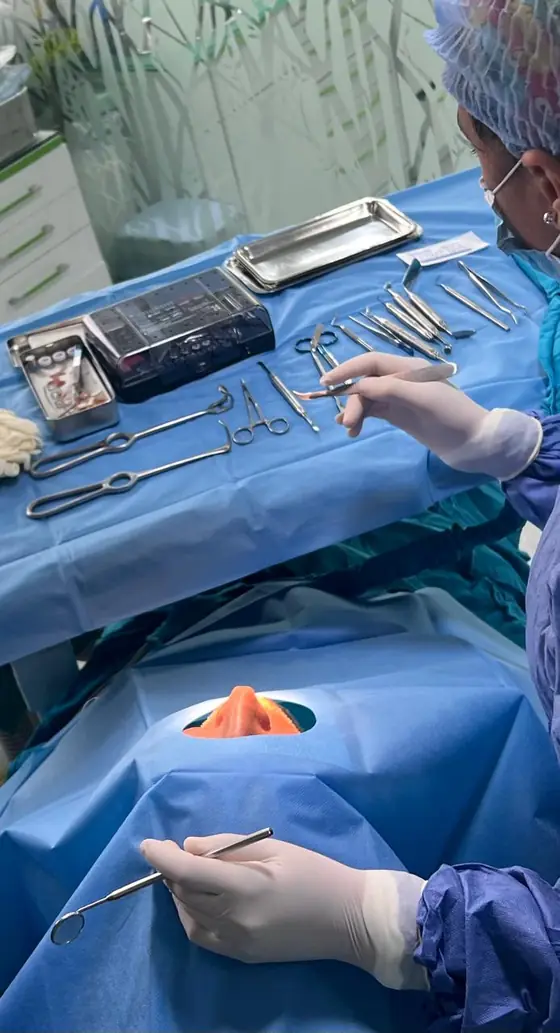
Its best-documented uses are:
- filling the socket after a tooth extraction, to support healing of the site;
- combining it with a bone graft, where it is mixed into the graft material as an adjunct;
- sinus augmentation, or sinus floor elevation, alongside the biomaterial;
- soft tissue healing, for example as a membrane placed over a wound or a donor site.
In all of these cases, PRF complements the surgical procedure and, most often, complements a graft material when bone is being rebuilt. It replaces neither the surgical technique nor the biomaterial. This is a point the data, set out below, clearly confirms.
What the literature says: a real but early benefit
This is where caution matters most. PRF has been the subject of many studies, but their conclusions are nuanced and depend on the indication. Here is what a few key systematic reviews have found.
After a simple extraction
The systematic review by Al-Maawi and colleagues, published in 2021 in the International Journal of Implant Dentistry, assessed PRF in the healing of extraction sockets. Its findings are specific. Bone fill of the socket was significantly greater in the PRF group in 85% of the studies analysed, compared with spontaneous healing. Loss of bone dimension was significantly lower with PRF between the eighth and fifteenth week, but this difference was no longer found at six months. Soft tissue healing was improved at one week in 75% of the studies, and postoperative pain significantly reduced in two thirds of the studies, especially during the first one to three days after the extraction.
These results are encouraging, but their scope is bounded in time: the benefit lies mainly in the early phase of healing, within the two to three months following the extraction.
After a wisdom tooth extraction
The systematic review and meta-analysis by Xiang and colleagues, published in 2019 in BMC Oral Health, focused specifically on mandibular wisdom tooth surgery. PRF significantly reduced pain on the third day, but not on days 1 and 7, and reduced swelling on the first day. Above all, it clearly reduced the risk of alveolar osteitis — the painful inflammation of the socket sometimes known as “dry socket” — with a relative risk of 0.35, that is, a reduction of about two thirds. On the other hand, no significant difference was observed for restricted mouth opening or for soft tissue healing in this analysis. The authors conclude, in measured terms, that PRF “reduces certain postoperative complications but does not prevent them”, and call for larger studies.
How this procedure unfolds is described in detail in our article on wisdom tooth extraction.
In sinus augmentation and grafting
For sinus floor elevation, the systematic review by Babich and colleagues, published in 2024 in the Journal of Oral & Maxillofacial Research, is more reserved. For new bone formation, the result reached only marginal significance, and no significant effect was found on the bone height gained. The clearest benefit concerned implant stability. The authors present PRF as a useful adjunct, particularly for implant stability, and not as a bone substitute, while calling for further research.
This observation is echoed by the meta-analysis by Alrayyes and Al-Jasser (2022, Tissue Engineering and Regenerative Medicine) on socket preservation: PRF offers a benefit compared with no graft at all, but a smaller effect than conventional graft materials, and the best results come from PRF mixed with a biomaterial. In other words, in bone reconstruction, PRF is an adjunct, not a substitute. This principle is developed further in our article on bone grafting before an implant.
A summary table
| Situation | What the data shows | Limitation to bear in mind |
|---|---|---|
| Extraction socket | Better bone fill and reduced pain over the first 1–3 days (Al-Maawi 2021) | Dimensional difference no longer found at 6 months |
| Wisdom tooth | Less pain on day 3, less alveolar osteitis (RR 0.35) (Xiang 2019) | No clear effect on soft tissues or mouth opening |
| Sinus augmentation | Benefit mainly on implant stability (Babich 2024) | Marginal, non-significant effect on the bone formed |
| Graft / preservation | Better than nothing; better when mixed (Alrayyes 2022) | Smaller effect than conventional materials alone |
The limits: what PRF does not do
Honest information means naming the limits clearly, and they are significant.
The first, and the most decisive, concerns the long term. The review by Al-Maawi and colleagues (2021) is explicit: the data currently available does not allow any conclusion regarding long-term implant success in sockets treated with PRF, whether alone or combined with a biomaterial. The documented benefit is early; on the current state of knowledge, it does not extend into a guarantee that implants will succeed over the years. That is why it would be misleading to use PRF as an argument for the durability of an implant.
The second limitation relates to the quality of the evidence. Several reviews, including those by Xiang (2019) and Babich (2024), highlight the heterogeneity of the studies, the diversity of preparation protocols, sample sizes that are sometimes small and follow-up that is often short. All of them call for larger, better standardised randomised trials. PRF is therefore not a technology with outsized effects: it is an adjunct with a modest and mainly early benefit, whose value is to be discussed case by case.
Finally, PRF does not correct what matters most. It replaces neither a thorough assessment, nor a well-established indication, nor mastery of the surgical procedure, nor follow-up. Nor does it offset a risk factor such as smoking. These determinants weigh far more heavily on the outcome. Where PRF fits within the overall implant pathway is described in our article on dental implants in Kénitra.
Choukroun PRF at the practice, in Kénitra
At the practice, Choukroun PRF can be prepared from a simple blood sample taken on the day of the procedure, then centrifuged according to the protocol described above. It is then used according to the situation: in an extraction socket, mixed with a graft material, during a sinus augmentation, or as a membrane to support soft tissue healing.
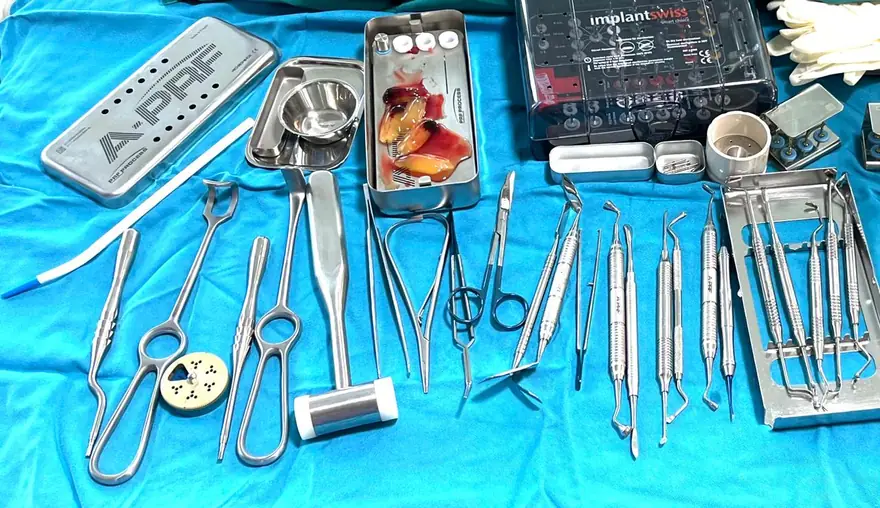
Its use is presented here for what it is: one healing tool among the other elements of a practice’s clinical resources, without attributing to it any virtue it does not have. PRF may improve comfort in the first few days and support early healing, which the literature reasonably supports. It guarantees neither the absence of after-effects nor the success of an implant over time. The decision to use it, or not, is made for each patient, according to the planned procedure and the expected benefit, and always within the framework of honest information.
In summary
Choukroun PRF is an autologous platelet-rich fibrin, obtained from the patient’s blood by simple centrifugation, without additives. Its uses in oral surgery are varied: extraction sockets, grafting, sinus augmentation, soft tissues. The literature credits it with a real but early benefit — better healing in the first few weeks, reduced postoperative pain in the first few days, less alveolar osteitis after a wisdom tooth — while also recalling two major limitations: it is an adjunct and not a substitute for a graft, and there is no evidence of any effect on long-term implant success. PRF is, in short, an aid to healing and comfort, not a guarantee. It is this honesty that allows it to be used in its rightful place.
Frequently asked questions
What exactly is PRF?
How is Choukroun PRF prepared?
Does PRF guarantee that an implant will succeed?
Does PRF reduce pain after an extraction?
Does PRF replace a graft material?
Is there a risk of rejection or reaction with PRF?
Sources
Medical references consulted for this article.
- 1Al-Maawi et coll., efficacité du PRF dans la cicatrisation alvéolaire : revue systématique, Int J Implant Dent 2021 (PMC8684569)
- 2Pavlovic et coll., PRF : bases biologiques et modifications de protocole, Open Medicine 2021 (PMC7985567)
- 3Dohan, Choukroun et coll., PRF, concentré plaquettaire de 2e génération, Partie I, Oral Surg Oral Med Oral Pathol 2006 (PubMed)
- 4Xiang et coll., PRF et chirurgie de la dent de sagesse : revue systématique et méta-analyse, BMC Oral Health 2019 (PMC6659259)
- 5Babich et coll., PRF en élévation du plancher sinusien : revue systématique, J Oral Maxillofac Res 2024 (PMC11318657)
- 6Alrayyes & Al-Jasser, PRF en préservation alvéolaire : revue systématique et méta-analyse, Tissue Eng Regen Med 2022 (PubMed)
Contents
Share