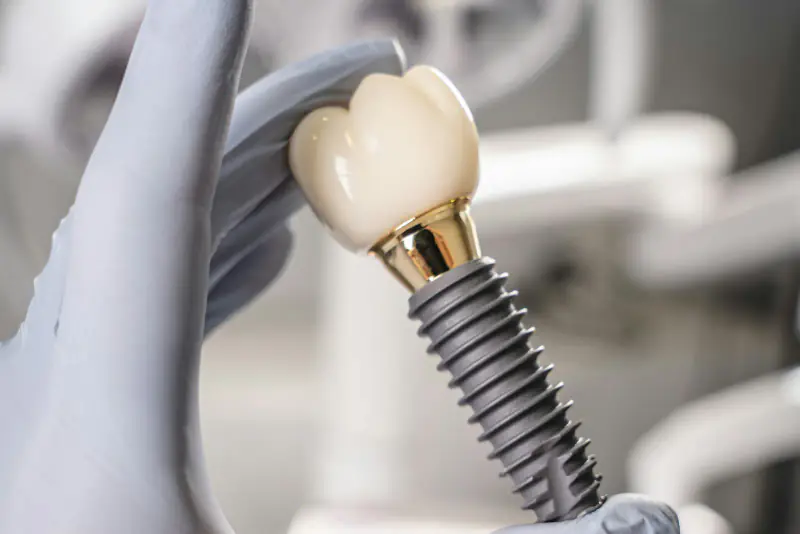
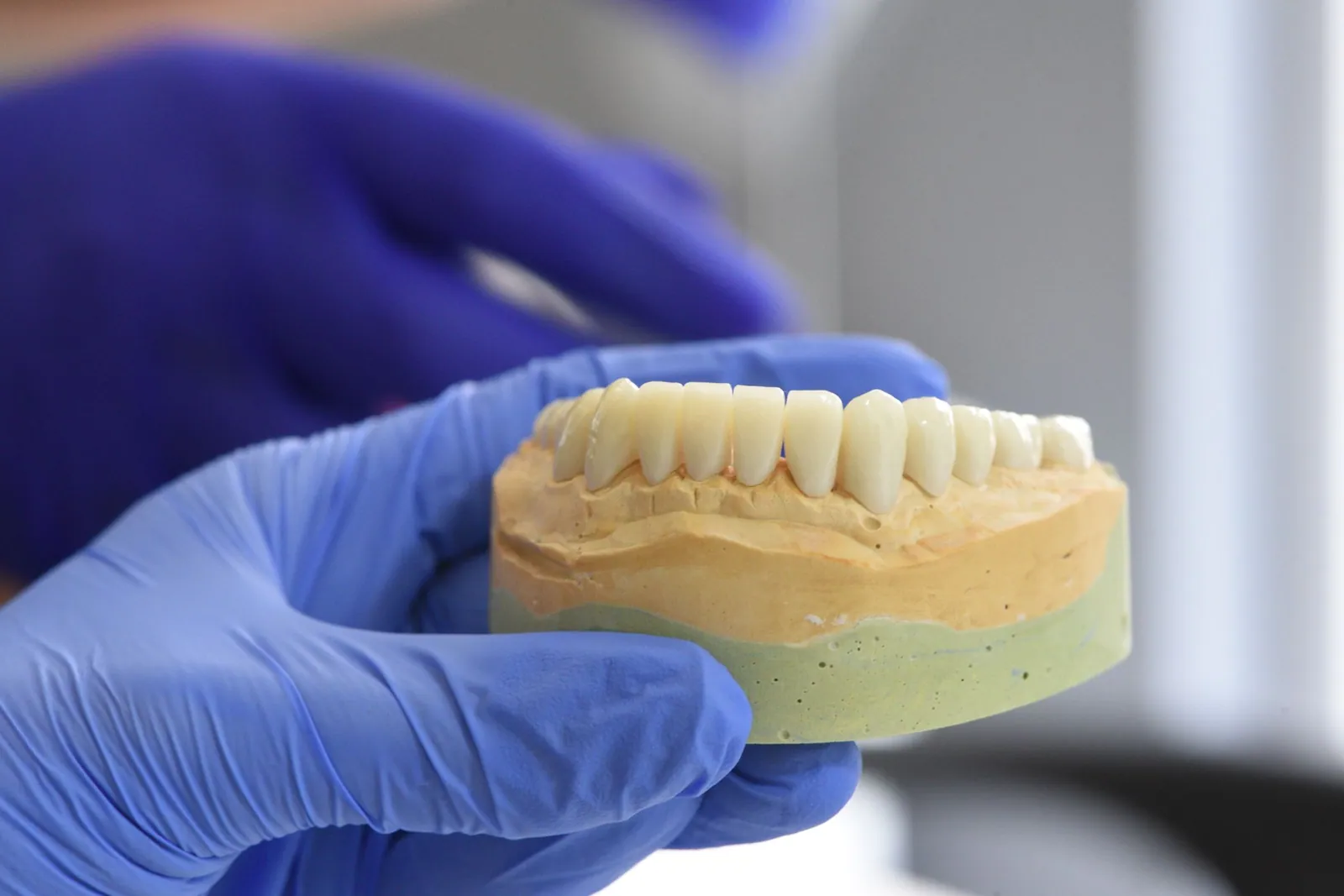
In short: With traditional (delayed) loading, the implant is left to bond with the bone, generally for more than two months, before the restoration is fitted; with immediate loading, a restoration, usually a temporary one, is connected within a week of placement. Immediate loading is possible only in selected cases, above all when the implant has high primary stability, and the choice is a clinical decision rather than a matter of convenience.
Once the implant is placed, one question comes up again and again: when can the restoration go on? There are two main strategies. Immediate loading means connecting a restoration — usually a temporary one — within hours or days of placement. Delayed loading, also called conventional loading, waits for the implant to bond with the bone, a process known as osseointegration, before the restoration is fitted, generally several weeks to a few months later. This conventional approach is how traditional implants were restored for decades. Between the two sits early loading, an intermediate timing. This article explains those differences, the conditions that do or do not allow an immediate approach, the benefits, the risks, and what the scientific literature actually shows — without adopting the marketing promise of “teeth in a day” as our own.
Let’s be clear from the outset: the choice of loading protocol is not a matter of scheduling convenience, it is a clinical decision. It depends on how stable the implant is at the moment of placement, on the quality and volume of the bone, on the site involved and on the patient’s overall profile. In selected cases, immediate loading gives excellent results; in others, it carries an increased risk of failure. Presenting the immediate approach as a standard suitable for everyone would be an over-promise, and that is precisely what this article aims to avoid.
Immediate, early, delayed loading: what are we talking about?
The definitions used here are those of the International Team for Implantology (ITI) consensus, taken up in the systematic review by Gallucci et al. (2018, Clinical Oral Implants Research). They are based on the interval between implant placement and the connection of a restoration in occlusion.
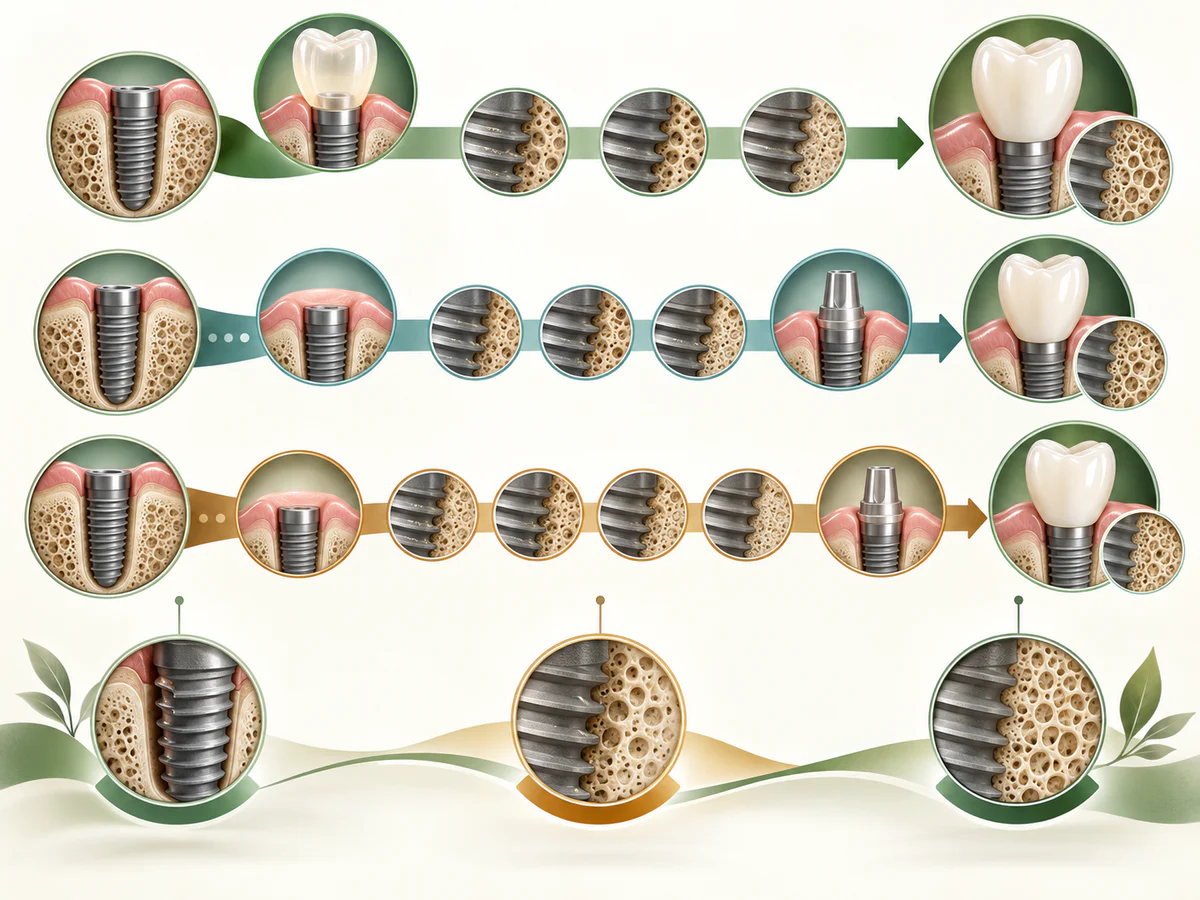
- Immediate loading: the restoration is connected to the implant, in occlusion with the opposing arch, within one week of placement. In practice, this most often means a temporary restoration fitted the same day or within the following few days. For a single missing tooth, this temporary restoration is usually a temporary crown.
- Early loading: the restoration is fitted between one week and roughly two months after placement.
- Delayed (conventional) loading: the restoration is fitted after the osseointegration phase, generally beyond two months.
One further distinction is useful. “Immediate restoration” sometimes refers to a temporary restoration placed out of occlusion, meaning it does not directly receive chewing forces. That is not quite the same thing as true functional loading. This nuance matters, because part of the safety of the immediate approach rests precisely on controlling the forces applied during the first few weeks.
The key point: these protocols describe only the timing of loading, not the quality of the outcome. The full sequence, from work-up to restoration, is detailed in our article on dental implants in Kénitra and how the treatment unfolds.
Why does bone require a waiting period? The role of osseointegration
An implant is not “solid” in the same way on the day it is placed and three months later. Two types of stability need to be distinguished.
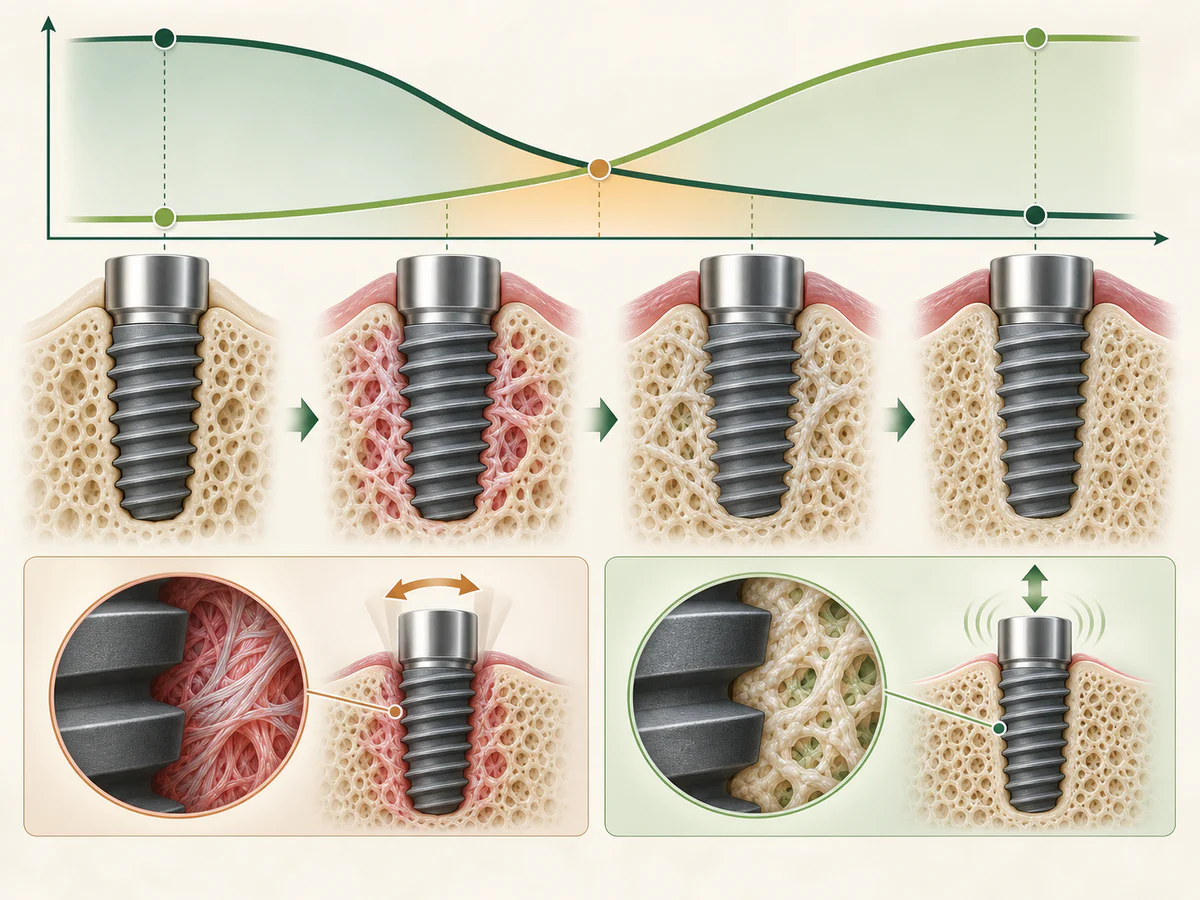
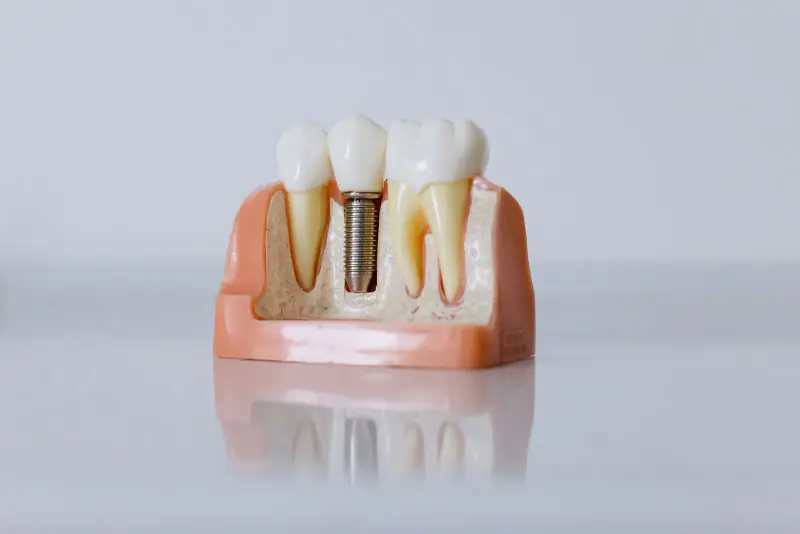
Primary stability is purely mechanical: it is the anchorage obtained by threading the implant into the bone during surgery. It depends on bone density, implant geometry and drilling technique. Without sufficient bone density, high primary stability is harder to obtain. Secondary stability is biological: it builds up gradually as the bone remodels and anchors itself to the implant surface — that is osseointegration.
Between the two lies a transition period during which primary stability decreases before secondary stability takes over. This stage of the healing process is when the implant is most vulnerable. If excessive movement occurs at the bone-implant interface during healing, the bone may be replaced by fibrous tissue and the implant fails to integrate.
This is where the notion of micromotion comes in. For a long time a “universal” tolerance threshold of around 50 to 150 micrometers was quoted. The systematic review by Kohli, Stoddart and van Arkel (2021, Scientific Reports) calls for more caution: analyzing the experimental data, the authors conclude that these data “refute the idea of a universal tolerable micromotion limit”. Mean micromotion was 112 micrometers for osseointegrated implants versus 349 micrometers for those that were not, but with substantial overlap between the two groups. In other words, controlling forces in the first few weeks remains a sound biological principle, but there is no magic number that applies to every patient.
The central condition for immediate loading: primary stability
If immediate loading is feasible in certain cases, it is above all because high primary stability limits micromotion while osseointegration takes hold. This is the single most decisive condition.
The Cochrane review by Esposito et al. (2007), covering randomized controlled trials, puts it plainly: “A high degree of primary implant stability (high value of insertion torque) seems to be one of the prerequisites for a successful immediate or early loading procedure.” That same review also stresses that “it is possible to load implants immediately or early in selected patients.” The two key words are “prerequisites” and “selected”.
In practice, how is this stability measured? Two indicators are used at the time of placement:
- insertion torque (in N·cm), that is, the resistance encountered while threading the implant in;
- the ISQ (Implant Stability Quotient), measured by resonance frequency analysis.
For the immediate or early loading of a single crown, the ITI consensus suggests primary stability with an insertion torque of roughly 20 to 45 N·cm and/or an ISQ of roughly 60 to 65. These values are reference points, not certainties: a retrospective study by Bavetta et al. (2019, BioMed Research International) on implants placed in fresh extraction sockets showed that the ISQ could be skewed by the residual gap around the implant, and that insertion torque remained, in that setting, the more reliable parameter for making the decision. This illustrates a reality: the decision is made case by case, at the moment of surgery itself, and not in advance.
Other conditions come into play: sufficient bone volume and quality, the absence of active periodontitis, control of risk factors such as smoking, and the ability to protect the implant from excessive forces (controlled occlusion, sometimes taking it out of occlusion). When bone is insufficient, immediate loading is rarely indicated, and bone reconstruction usually takes priority; that subject is covered in our article on dental implants when there is not enough bone.
What does the literature say about comparative survival?
This is the decisive question: does immediate loading carry a measurable risk compared with delayed loading? The honest answer is a nuanced one.
The 2007 Cochrane review had found no statistically significant difference in success between immediate, early and conventional protocols, while insisting on case selection. More recent work adds precision. The meta-analysis by Chen et al. (2019, Journal of Prosthetic Dentistry), covering 39 randomized controlled trials, observed a slightly but significantly lower survival for immediate loading compared with conventional loading (relative risk 0.974; 95% confidence interval: 0.954 to 0.994). Compared with early loading, however, immediate loading achieved comparable survival, and no significant difference was observed for marginal bone level, probing depth or stability.
The clinical reading is therefore as follows: immediate loading works well, but it leaves a slightly thinner safety margin than delayed loading. That difference is small in absolute terms, but it is real, and it widens when the required conditions are not met.
The systematic review by Gallucci et al. (2018) offers a useful classification, cross-referencing the timing of placement with the timing of loading and assigning each combination a level of scientific validation.
| Protocol | Level of documentation | Reported survival |
|---|---|---|
| Immediate placement + conventional loading | Scientifically and clinically validated | approx. 96.0% |
| Late placement + conventional loading | Scientifically and clinically validated | approx. 97.7% |
| Late placement + early loading | Scientifically and clinically validated | approx. 98.3% |
| Immediate placement + immediate restoration | Clinically documented | approx. 98.4% |
| Immediate placement + early loading | Clinically documented | approx. 98.2% |
This table calls for two remarks. First, survival figures are high across the board, including for immediate protocols. Second, the immediate protocols are classified as “clinically documented” rather than “scientifically and clinically validated”: the follow-up time and the number of studies remain more limited than for conventional protocols. A good published result is not the same thing as the highest level of evidence.
It is also worth repeating, as throughout the implant literature, that survival is not the same as success. An implant can stay in place while developing peri-implantitis. This inflammation of the tissues around the implant can lead to progressive bone loss, even while the implant is still counted as surviving. The warning signs are described in our article on implant failure and peri-implantitis.
The special case of full-arch rehabilitation
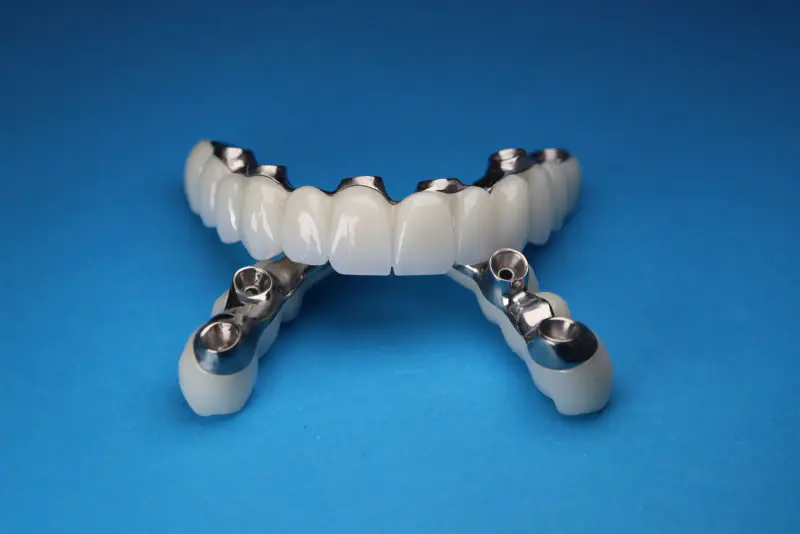
Immediate loading has a more established place in one specific situation: the rehabilitation of a full arch on several implants, as in All-on-4 or All-on-6 concepts. Splinting several implants together with a rigid prosthesis distributes the forces and limits micromotion of each individual implant, which makes immediate loading biomechanically more favorable than for a single tooth.
The systematic review by Gaonkar et al. (2021, Journal of the Indian Prosthodontic Society) on the All-on-four concept reports a cumulative implant survival of roughly 94% to 98% over a follow-up of 72 to 132 months, with no notable difference between axial and tilted implants or between the maxilla and the mandible. These are solid results for functional immediate loading, provided the indication and the planning are rigorous. The principles behind these rehabilitations are detailed in our article on full-arch All-on-X rehabilitation.
This does not mean every full arch is suitable for the immediate approach. Once again, the decision depends on the stability achieved and on the quality of the bone. The cost of such a rehabilitation, which depends on the number of implants and the type of prosthesis, is addressed in our guide to dental implant costs in Morocco.
“Teeth in 24 hours”: what to understand
The phrase “teeth in a day” or “teeth in 24 hours” is appealing, but it deserves to be decoded. What is fitted on the same day, when that is possible, is almost always a temporary restoration. The definitive restoration is made after healing and osseointegration, that is, several weeks to a few months later. The overall treatment time is therefore not necessarily shorter: what shortens is the period without a fixed tooth. Presenting a definitive, long-lasting restoration in twenty-four hours as a universal standard would be inaccurate.
Three honest qualifications apply:
- Not everyone is a candidate. Without sufficient primary stability, without adequate bone, or in the presence of active periodontitis or heavy smoking, immediate loading is not indicated. The benefit of saving time does not justify an increased risk of failure.
- The immediate approach comes with constraints. An extended soft-food diet, controlled occlusion, avoiding certain forces: the apparent freedom of “all in one day” comes with strict instructions during the first few weeks.
- The temporary is not the final result. The definitive aesthetic and functional outcome is judged on the final restoration, after healing. Healing here means the integration of the implant in the bone and also soft tissue healing, as the gum settles around the temporary restoration.
The difference between a temporary restoration fitted early and a definitive restoration fitted after osseointegration is therefore not a detail: it is at the heart of honest information.
How the protocol is decided at the practice
The choice between immediate, early and delayed loading is built up step by step, not promised in advance. Several factors come into play, assessed during the work-up and at the time of surgery.
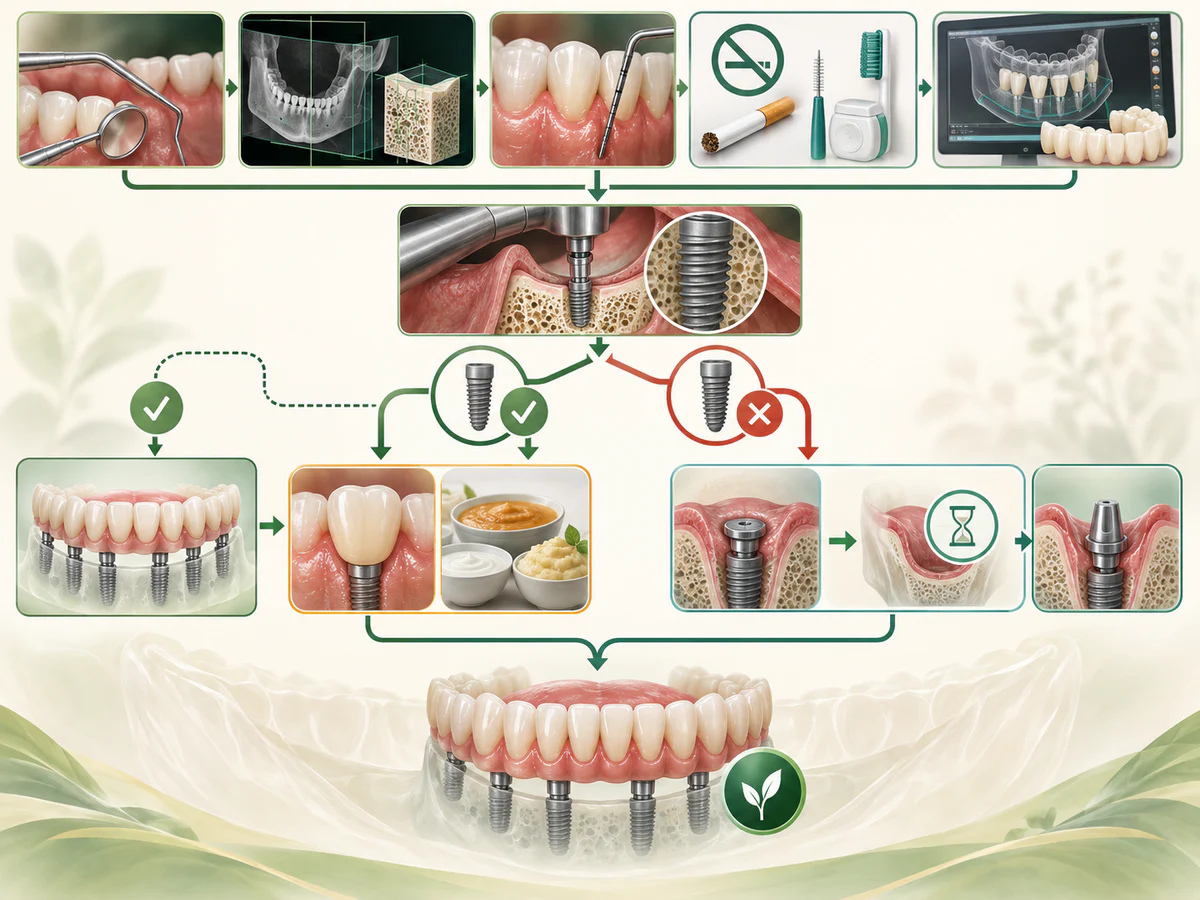
The preliminary work-up includes a clinical examination, periodontal assessment and a three-dimensional radiographic examination. At the practice in Kénitra, the Cone Beam (Dürr Dental) makes it possible to analyze bone volume and quality as well as the anatomical structures to be respected, which helps anticipate whether early or immediate loading is feasible. Digital impressions and computer-aided design (CAD/CAM) are used to prepare the temporary restoration when an immediate protocol is chosen.
The final decision, though, depends on the stability achieved on the day of placement. Only once the implant is in position, with insertion torque and possibly ISQ measured, can the immediate option be confirmed or ruled out. Placement takes place in a dedicated surgical suite, under local anesthesia; piezosurgery may be used for bone surgery, and Choukroun’s PRF to support early healing. This equipment describes a technical set-up; it is not in itself a guarantee of results, nor an automatic green light for immediate loading.
Finally, the human factor counts. Controlling smoking, maintaining meticulous hygiene and following post-operative instructions weigh directly on success, whichever protocol is chosen. More broadly, good oral health, with no active gum disease, matters for all implant procedures, whatever the timing of loading.
Traditional vs immediate dental implants: the differences at a glance
When people compare traditional and immediate dental implants, they are usually comparing two loading protocols. The implant can be the same; what changes is when it is put into function, and under what conditions.
| Traditional (delayed) loading | Immediate loading | |
|---|---|---|
| When the restoration is connected | After osseointegration, generally beyond two months | Within one week of implant placement |
| What is fitted first | The final restoration, after the healing period | Usually a temporary restoration; the final one follows after healing |
| Deciding condition | Osseointegration completed before the restoration is fitted | High implant stability (insertion torque, sometimes ISQ) measured on the day of surgery |
| Suitable candidate | The default option when the conditions for immediate loading are not met | Selected patients: sufficient bone volume and density, no active periodontal disease, smoking under control |
| Level of evidence | Scientifically and clinically validated | Clinically documented, with more limited follow-up |
| Main drawbacks | A longer period before a fixed tooth is attached to the implant | A slightly thinner safety margin, and strict instructions in the first weeks (soft-food diet, controlled occlusion) |
Neither approach is better in absolute terms. Traditional loading rests on the most established evidence and leaves a slightly wider safety margin; immediate loading shortens the time without a fixed tooth, but only for suitable candidates, and it is confirmed or ruled out once the implant is in place. Over the long term, both depend on the same factors: careful treatment planning, meticulous oral hygiene, control of smoking and following post-operative instructions.
In summary
The difference between immediate and delayed loading comes down to when the restoration is put into function: right away, or after osseointegration. Immediate loading is possible and effective in selected cases, provided primary stability is high and bone conditions are favorable; it then most often relies on a temporary restoration, with the definitive one coming later. The literature shows high survival rates across all protocols, with a slightly wider safety margin for delayed loading, and a more firmly established level of evidence for conventional protocols. The “teeth in a day” promise describes a temporary restoration fitted early, not an instant definitive rehabilitation for everyone. It is by measuring stability, analyzing the bone and respecting each person’s individual circumstances that the right protocol is chosen — without over-promising and without rushing.
Frequently asked questions
Is immediate loading as safe as delayed loading?
What is primary stability and why does it matter so much?
Do "teeth in 24 hours" really exist?
How is it decided whether I can have immediate loading?
Is immediate loading more common for a full arch?
Does micromotion of the implant inevitably lead to failure?
How long is the healing period with traditional implant loading?
Sources
Medical references consulted for this article.
- 1Esposito et coll. 2007, revue Cochrane, mise en charge immédiate/précoce/conventionnelle des implants
- 2Chen et coll. 2019, méta-analyse charge immédiate vs précoce vs conventionnelle, J Prosthet Dent
- 3Gallucci et coll. 2018, revue systématique ITI, protocoles de pose et de charge, Clin Oral Implants Res
- 4ITI, consensus sur les protocoles de charge des implants unitaires (couple d'insertion et ISQ)
- 5Kohli, Stoddart & van Arkel 2021, limite de micromouvement tolérable, Scientific Reports
- 6Bavetta et coll. 2019, couple d'insertion et ISQ en alvéole d'extraction fraîche, BioMed Res Int
- 7Gaonkar et coll. 2021, survie des implants All-on-four, J Indian Prosthodont Soc
- 8UFSBD, fiches patients (Union Française pour la Santé Bucco-Dentaire)
Contents
Share