
Care & prevention
Teeth and general health: evidence and misconceptions
How to tell a genuine oral problem from symptoms that need another assessment: evidence, uncertainty and warning signs.
Read the articleCavities, sensitivity, emergencies and hygiene. Practical guidance on daily dental care, on prevention and on when to see a dentist.
This section covers everyday care and the habits that protect your teeth. Some articles deal with hygiene: the evening routine, dental floss, choosing a toothpaste, the role of fluoride, a mineral that strengthens the enamel, and whether a mouthwash is useful. Others are about what you eat and drink, such as sugar, sodas, juices and energy drinks, which attack the enamel. Several articles concern specific times of life and health: pregnancy, diabetes, smoking. Each article explains the reason for a habit, not only the habit itself.
Another group answers common problems: tooth decay, sensitivity to cold or heat, bad breath, dry mouth, a tooth turning grey, or bruxism, which means clenching or grinding your teeth, often at night. For each problem, the article explains the possible causes, what you can do at home and when to see a dentist. Articles also explain root canal treatment, meaning care of the inside of the tooth, local anaesthesia, and conscious sedation for people who are afraid of the dentist.
One series is about emergencies: toothache at night, an abscess, a swollen cheek, a broken tooth or a tooth knocked out by a blow. These articles give the useful steps while you wait to be seen. If a swelling spreads, makes it hard to swallow or breathe, or comes with fever, go to a medical emergency service. For everything else, each article informs you but does not replace an examination. The practice offers an assessment to review your situation with you. The assessment does not commit you to any treatment.
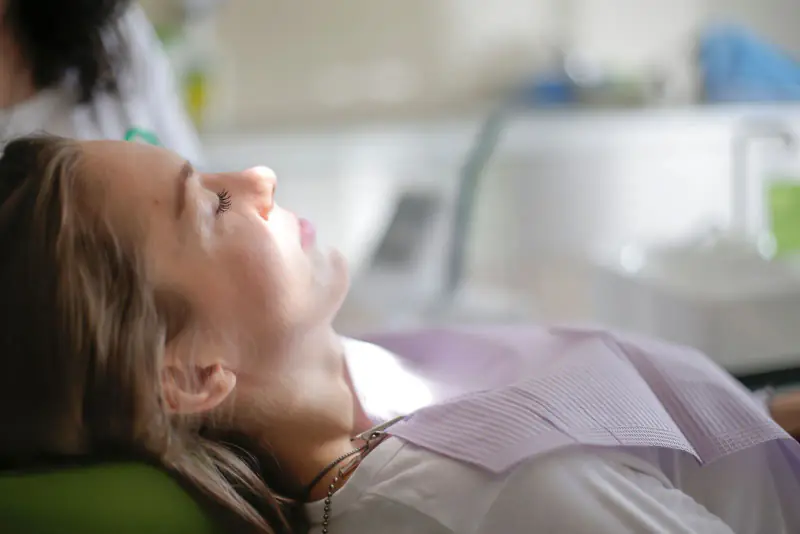

The first step is a precise diagnosis. To schedule an assessment, call the practice or write on WhatsApp.
How to tell a genuine oral problem from symptoms that need another assessment: evidence, uncertainty and warning signs.
The phrase “pain-free anesthesia” is appealing, but what is it really worth? This article explains how local anesthesia works, what topical numbing gel and computer-assisted injection bring, the simple techniques that make the injection nearly painless — and what anesthesia does not take away: anxiety.
Requesting a dental consultation online saves time: the request goes out at any hour, without waiting on the phone. Here is why it helps, how it works at Dr Fatima Azelmat's practice in Kénitra, what information to have ready, and when it is better to call directly.
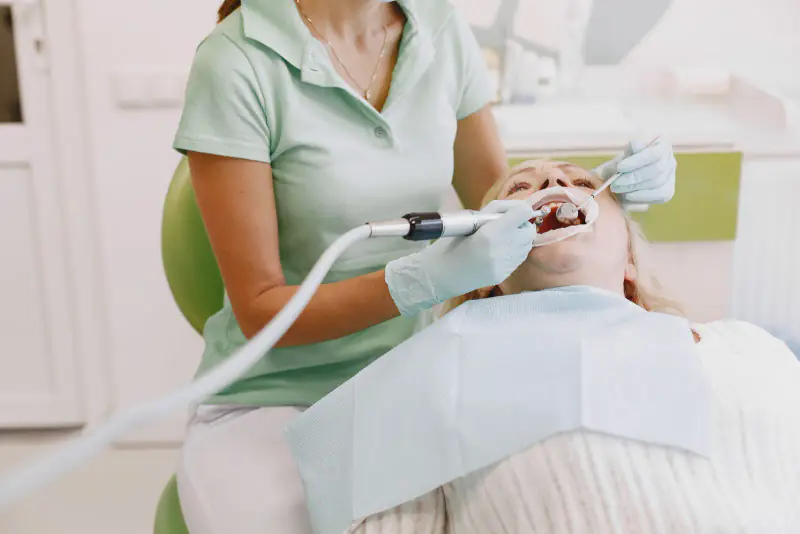
Air polishing lifts away biofilm and surface stains with a jet of air, water, and fine powder. A complement to scaling, not a whitening treatment: its indications and its limits, explained without overpromising.
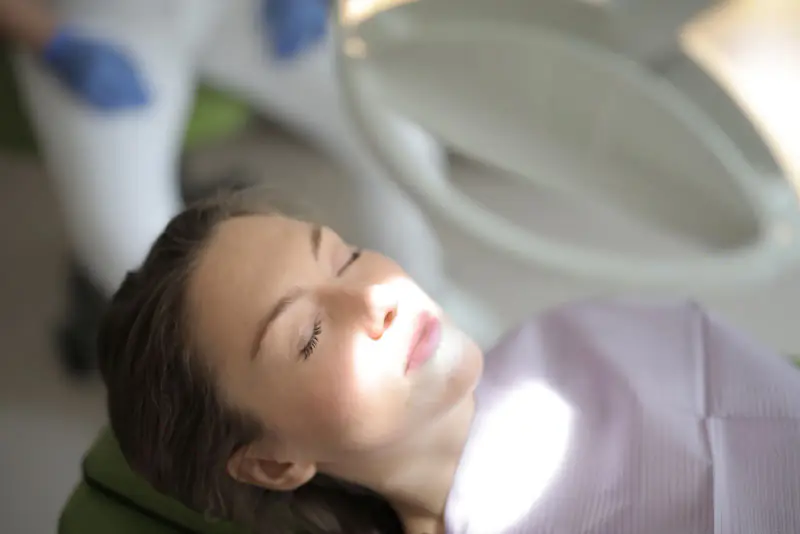
What conscious sedation with MEOPA (a nitrous oxide/oxygen mixture) actually is, who it is intended for, how a session unfolds, its contraindications and, above all, what it does not do: it is not general anesthesia.
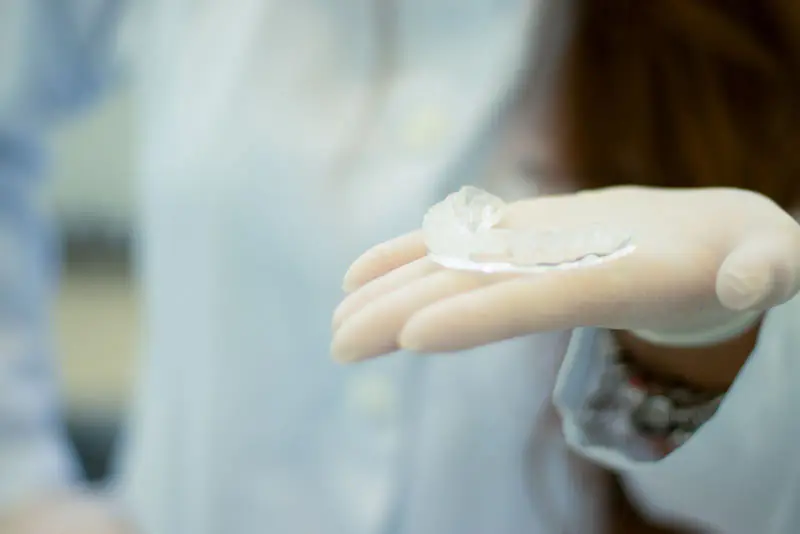
What bruxism really is, why the international consensus does not consider it a disease in an otherwise healthy person, and what an occlusal splint actually protects.
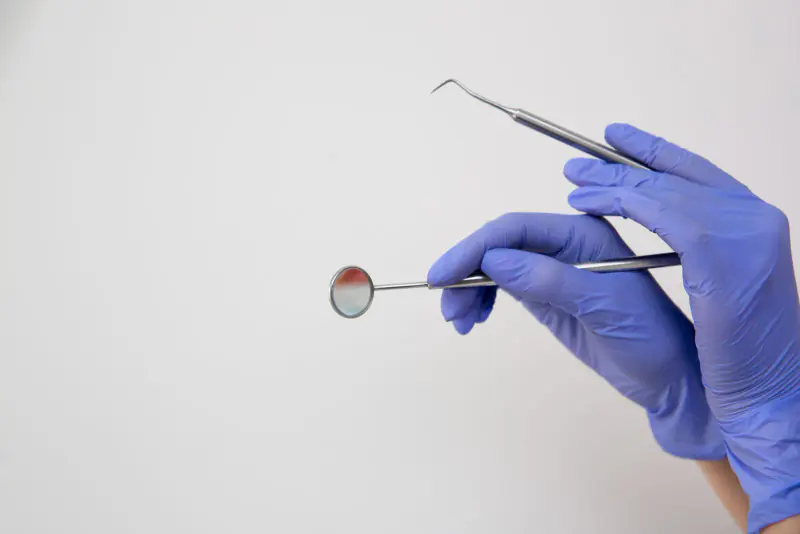
Tooth decay isn't just for children: in adults, it can be caught early and treated step by step, from remineralization to composite, without any drama.

What to do right away for severe toothache, an abscess or dental trauma, and the signs that require urgent care.
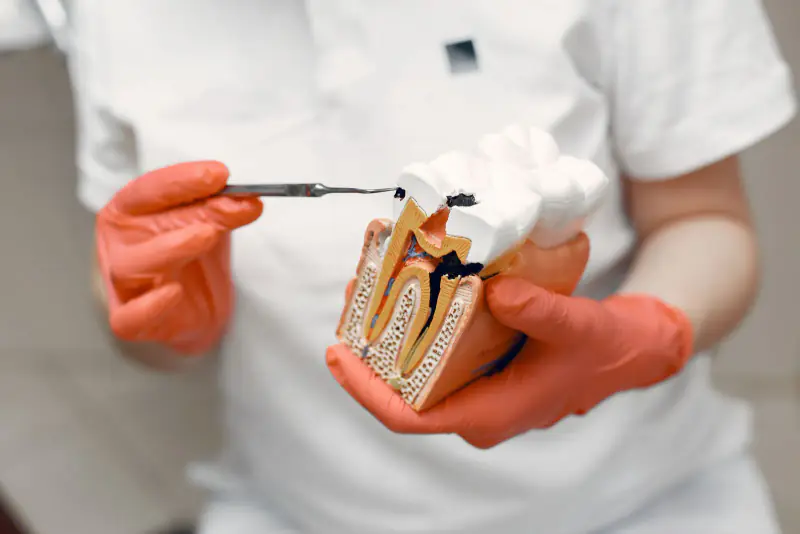
A root canal is done under local anesthesia and is no more painful than having a cavity treated: what to expect, and what should raise concern.
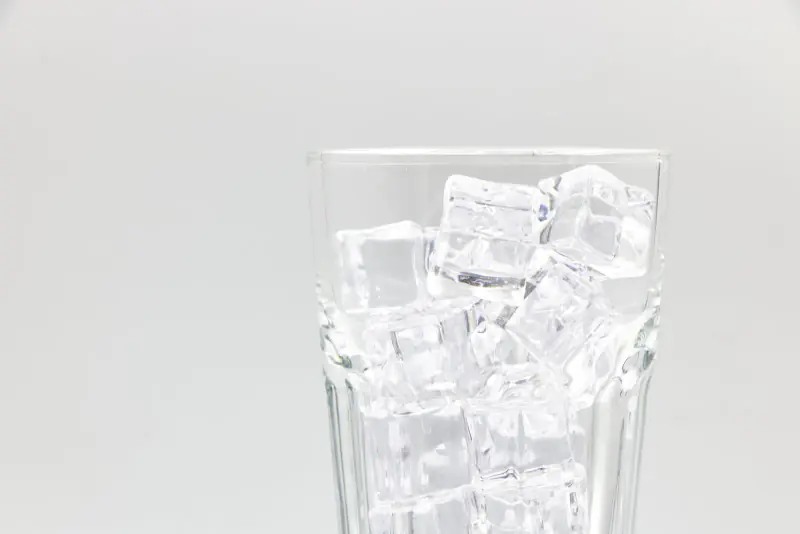
Why a tooth reacts to cold or heat, how to relieve that sensitivity, and when pain is hiding something else.
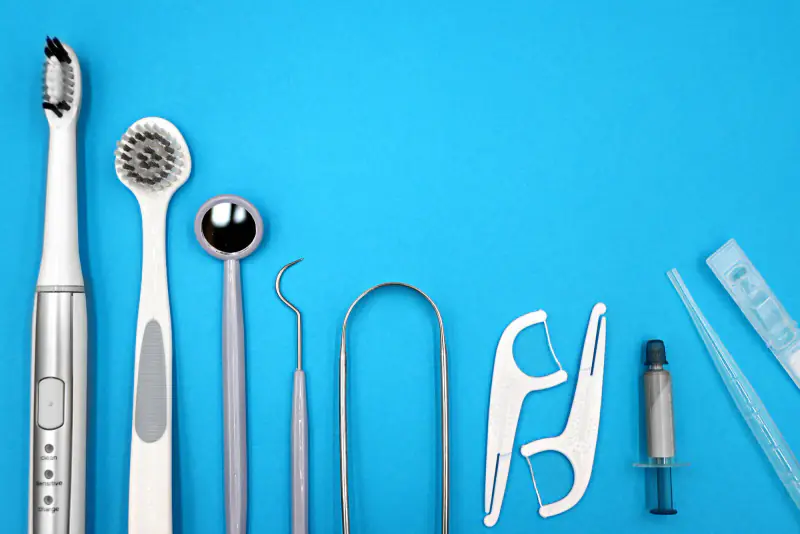
Understanding where bad breath comes from: the mouth in the vast majority of cases, more rarely an ENT or digestive cause.
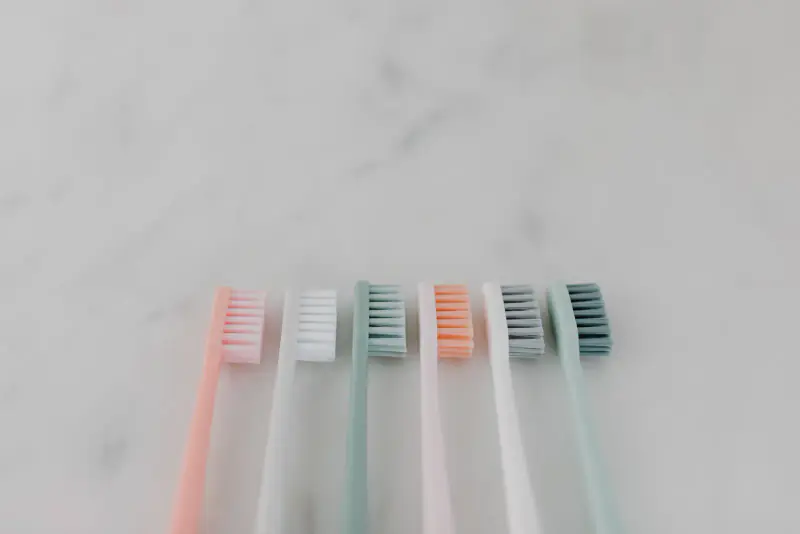
Brushing, interdental cleaning, fluoride and scaling: a simple method and the recommended frequency for looking after your teeth every day.
Blog